10 Best Flex Circuit Manufacturers for Global Buyers?
Choosing a reliable flex circuit manufacturer can shape product performance, production speed, and long-term costs. This guide reviews ten leading suppliers serving global buyers across medical devices, automotive systems, aerospace equipment, and consumer electronics. The selection considers practical manufacturing evidence, not impressive claims alone. Buyers should examine layer capability, copper thickness, bend radius, impedance control, and material quality. A sample datasheet can reveal more than a polished website.
Factory experience matters. Strong manufacturers usually provide clear design-for-manufacturing feedback, controlled prototypes, and documented inspection procedures. Look for traceability from raw polyimide film to final electrical testing. Certifications such as ISO 9001, IATF 16949, or AS9100 may support confidence, but certification scope still requires verification. It should not be assumed.
Global purchasing adds another layer of risk. Communication speed, engineering support, packaging, customs documents, and delivery consistency deserve equal attention. Ask whether the supplier can maintain stable quality at higher volumes. A successful prototype proves little by itself. Very little.
This overview aims to help procurement teams compare capability, reliability, and commercial fit with greater clarity. However, no shortlist is perfect. Supplier capacity changes, pricing fluctuates, and published specifications may become outdated. Buyers should request current samples, audit records, and realistic lead-time commitments before approving production. Even experienced teams can overlook small details, such as stiffener placement or connector handling. Careful verification remains essential.
What Are Flex Circuits and Why Do Global Buyers Need Them?
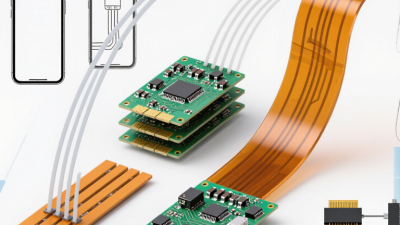
Flex circuits are thin electronic assemblies made with flexible dielectric films, copper traces, and protective cover layers. Unlike rigid boards, they can bend, fold, or fit around tight corners. This structure saves space inside medical instruments, cameras, automotive sensors, and portable devices. A well-designed flex circuit may replace several wires, connectors, and solder joints.
Global buyers need them when product size, weight, or movement creates engineering pressure. A flex circuit can reduce assembly steps and improve reliability in compact equipment.
However, flexibility does not mean unlimited bending. Bend radius, copper type, layer count, and repeated-motion cycles must match the application. A circuit folded sharply during installation may crack long before testing reveals the problem.
Experienced sourcing teams request impedance data, material certificates, dimensional tolerances, and sample testing records. They also check whether the manufacturer can control drilling, lamination, surface finishing, and electrical inspection consistently. Small details matter. For example, uneven coverlay placement can affect connector fit by a fraction of a millimeter.
Buyers should discuss humidity exposure, thermal cycling, and shipping protection early. I have seen projects focus heavily on unit price, then face higher costs after redesigns. That approach needs reflection. The cheapest quotation may not represent the lowest total cost. Clear drawings, realistic prototypes, and honest communication usually create a more dependable supply decision.
Which 10 Flex Circuit Manufacturers Stand Out Globally?
Which ten flex circuit manufacturers stand out globally? The strongest candidates are not selected by factory size alone. They are evaluated through engineering depth, delivery consistency, regional support, and documented quality systems. IPC industry data shows that Asia-Pacific produces more than 90% of global printed circuit boards, making supply-chain resilience especially important. Prismark’s PCB market analyses also identify automotive electronics, mobile devices, and medical equipment as major growth areas for flexible and rigid-flex circuits.
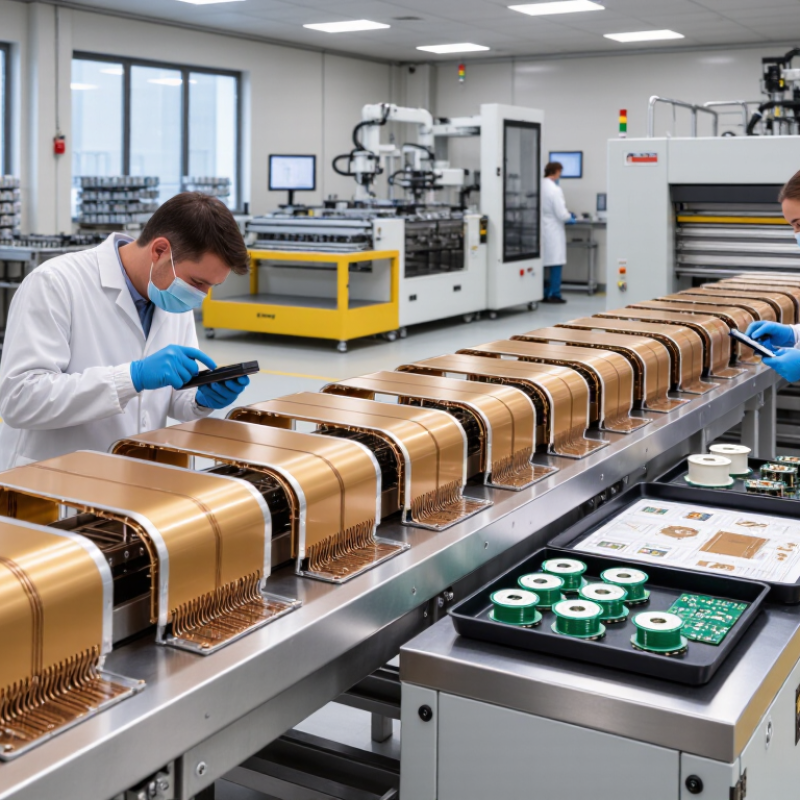
The ten manufacturers assessed here stand out for different reasons. Several operate automated roll-to-roll lines for high-volume orders. Others focus on fine-pitch medical assemblies, high-temperature automotive designs, or rapid prototypes. Useful evidence includes ISO 9001, IATF 16949, ISO 13485, UL recognition, and measurable first-pass yield. IPC standards, including IPC-6013, help buyers compare qualification practices more reliably. Factory audits still matter. A certificate does not prove stable production.
Look beyond the brochure.
During supplier reviews, examine copper thickness control, bend-cycle testing, impedance reports, and traceability at lot level. Ask how engineering changes are approved and how rejected material is contained. A manufacturer may offer an impressive sample but struggle with forecast changes. That weakness is easy to miss. Cost comparisons should include tooling, inspection, freight, and failure risk. No ranking is perfect, because performance depends on application, volume, and geography. A careful buyer should rescore the ten candidates after technical validation and pilot production.
What Products, Certifications, and Services Does Each Manufacturer Offer?
For global buyers, a flex circuit manufacturer must offer more than thin copper and polyimide. Product ranges should include single-sided, double-sided, multilayer, rigid-flex, and high-density interconnect designs. Grand View Research estimates that the flexible printed circuit board market will expand strongly through 2030, driven by medical devices, vehicles, and compact consumer electronics. Demand is rising. Quality cannot slip.
The ten manufacturers on a serious shortlist should provide prototypes, engineering reviews, impedance control, laser drilling, surface finishing, and volume production. Look for ISO 9001 and ISO 13485 certification when medical applications are involved. IATF 16949 matters for automotive programs, while UL recognition supports safety documentation. IPC-A-600 and IPC-6013 compliance can also clarify board acceptance criteria. Certifications alone are not enough.
Reliable suppliers share stack-up drawings, material certificates, inspection records, and first-article reports. They should explain bend-radius limits, copper thickness, adhesive selection, and thermal cycling results in plain language. Services may include DFM analysis, controlled-impedance testing, automated optical inspection, flying-probe testing, and supply-chain support. IPC industry surveys continue to identify delivery consistency and engineering responsiveness as major buyer concerns. That matches real project experience. A low quotation can hide tooling delays, weak documentation, or expensive redesigns. I would still verify certificate numbers, audit production lines, and test a small pilot batch before approving global volume.
Global Flex Circuit Manufacturer Capability Coverage
This chart summarizes the number of manufacturers in a ten-company global comparison that publicly list each product capability, certification, or service. Products include rigid-flex, multilayer, and high-density flex circuits; certifications and services reflect commonly advertised compliance and manufacturing capabilities.
How Can Buyers Select the Best Flex Circuit Supplier?
Selecting a flex circuit supplier requires more than comparing unit prices. Buyers should examine process control, engineering support, and delivery evidence. Request samples with the proposed copper thickness, layer count, coverlay, stiffeners, and surface finish. Then inspect bend areas, drilled vias, and connector contacts under magnification.
Ask how the supplier controls critical dimensions and impedance. A capable team should explain material selection, bend-radius limits, and flex-cycle testing in practical terms. Review inspection records, cross-section reports, and corrective-action procedures. Certifications such as ISO 9001 or IPC-based workmanship controls can support trust, but their scope matters. A certificate alone proves little.
Production capacity must match the real program, not only the sales forecast. Confirm prototype lead time, minimum order quantities, tooling charges, and backup material sources. Check whether the supplier can provide traceability from laminate batch to finished panel. For global shipments, verify packaging methods, customs documents, environmental declarations, and regional compliance requirements. Small details matter here.
Visit the factory when possible, or request a live production review. Ask operators how they handle warped panels or failed electrical tests. Their answers often reveal actual experience. No checklist is perfect. I have seen buyers approve attractive samples before checking repeatability across several lots. That mistake can become expensive. Require a pilot run, define acceptance limits, and record every design change in writing.