
Why Do You Need an Asphalt Storage Tank?
Why Do You Need an Asphalt Storage Tank?
An Asphalt Storage Tank keeps liquid binder available between delivery and use. Asphalt must stay within a suitable temperature range to remain workable, and that range depends on the binder grade and supplier guidance. A well-selected tank helps maintain consistent heat while limiting unnecessary temperature swings. Small details matter. Insulation condition, burner controls, and temperature sensors can affect daily operation.
For a paving plant, reliable storage can reduce delays when trucks arrive or production demand changes. The tank also gives operators a controlled place to monitor inventory and prepare material for pumping or blending. Capacity should match expected use and delivery schedules, rather than simply being as large as possible. Oversized storage may mean longer holding times and added energy use. That trade-off is easy to miss. Tank layout matters too: access for inspection, clear piping, and safe maintenance space can make routine work less difficult. Heating should follow the equipment maker’s instructions, since overheating can damage binder quality. Temperature and maintenance records help identify problems before they interrupt production. An Asphalt Storage Tank is not just a heated container; it is part of the plant’s quality and scheduling system. Still, no tank fixes poor handling. The right choice depends on the binder, climate, throughput, and operating practices.
What Is an Asphalt Storage Tank?
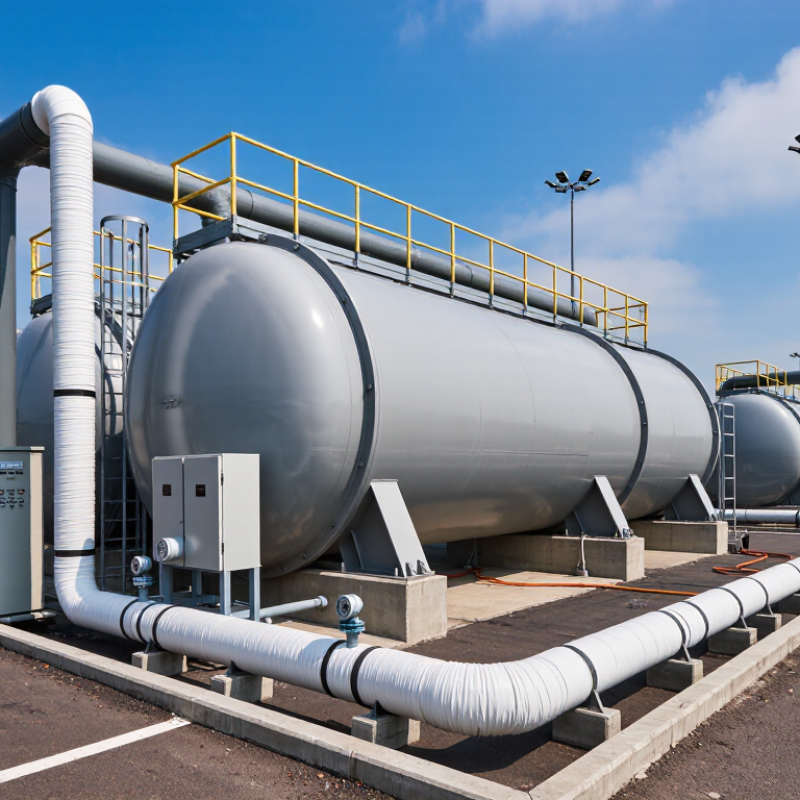
An asphalt storage tank is an insulated vessel that holds liquid asphalt binder before it is pumped into a mixing plant or paving operation. It is not a tank for finished asphalt mix. Its steel shell, insulation, heating system, temperature controls, and piping work together to keep the binder pumpable. Depending on the installation, heat may come from internal coils or an external heater. Pumps and valves then move binder to the next process. That distinction matters.
The scale is substantial. NAPA’s 2023 Asphalt Pavement Industry Survey estimated U.S. asphalt mixture production at about 420 million tons. That figure describes mixture production, not binder storage capacity. Still, it shows why dependable storage and transfer systems matter at busy plants. Tank size should reflect delivery schedules, production demand, binder grade, and the time material will remain heated. Too little capacity can disrupt operations; excessive storage may keep binder hot longer than necessary. That trade-off is easy to underestimate. In practice, operators monitor temperature and inspect insulation, heating equipment, and transfer lines. A tank is not simply a heated container; it is part of a controlled materials-handling system.