
Why Sandwich Panel Joint Details Matter
A sandwich panel can have excellent insulation on paper, yet the joints often decide how the building really performs. Most leaks, drafts, and callbacks start at the seams, not in the middle of the panel. A little attention to joint design early on saves a lot of trouble once the building is in use.
Where Problems Usually Start
Think about how much of a building envelope is made up of joints. Every wall corner, roof ridge, window opening, and panel edge is a place where air or water can find a way in.
A well-made core does its job only when the joints stay tight. If the seam opens even slightly, warm air escapes and moisture gets in. Over time, that moisture can damage the core, stain the finish, and push up energy bills.
Thermal bridging is another quiet issue. Metal fasteners and exposed edges can carry heat straight through the panel. A good joint design limits those paths, so the insulation value on the datasheet matches what you get on site.
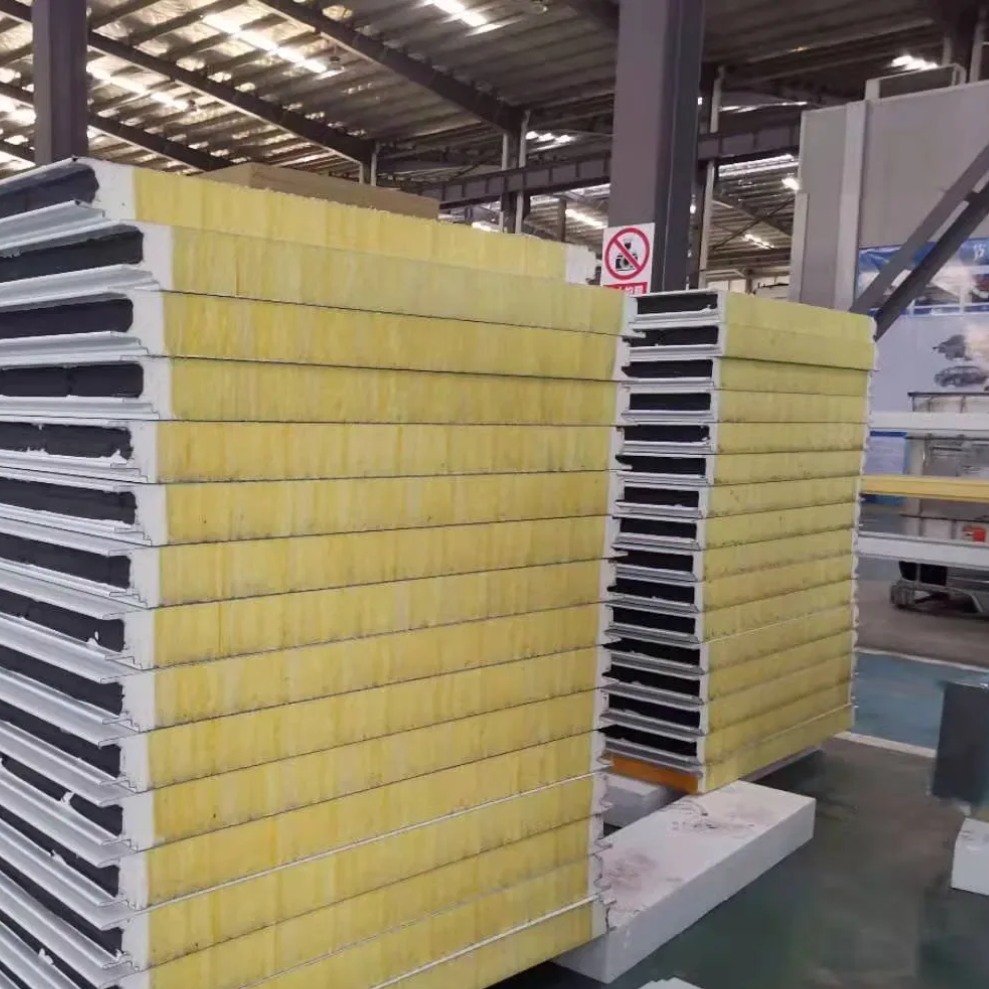
Movement matters as well. Metal skins expand and contract with temperature. A joint that cannot flex will crack or buckle sooner than you would expect.
Choosing the Right Joint for Each Application
Different panels call for different joint types. A sandwich wall panel usually relies on a tongue-and-groove or concealed-fix system. This hides the fasteners, gives a clean look, and keeps the seam compact.
A sandwich roofing panel faces tougher conditions. Rain, wind uplift, and sun all test the seams. Raised ribs, sealed laps, and proper slope help water run off instead of sitting in the joint. If the roof is flat or has a low pitch, extra sealing is worth the small added cost.
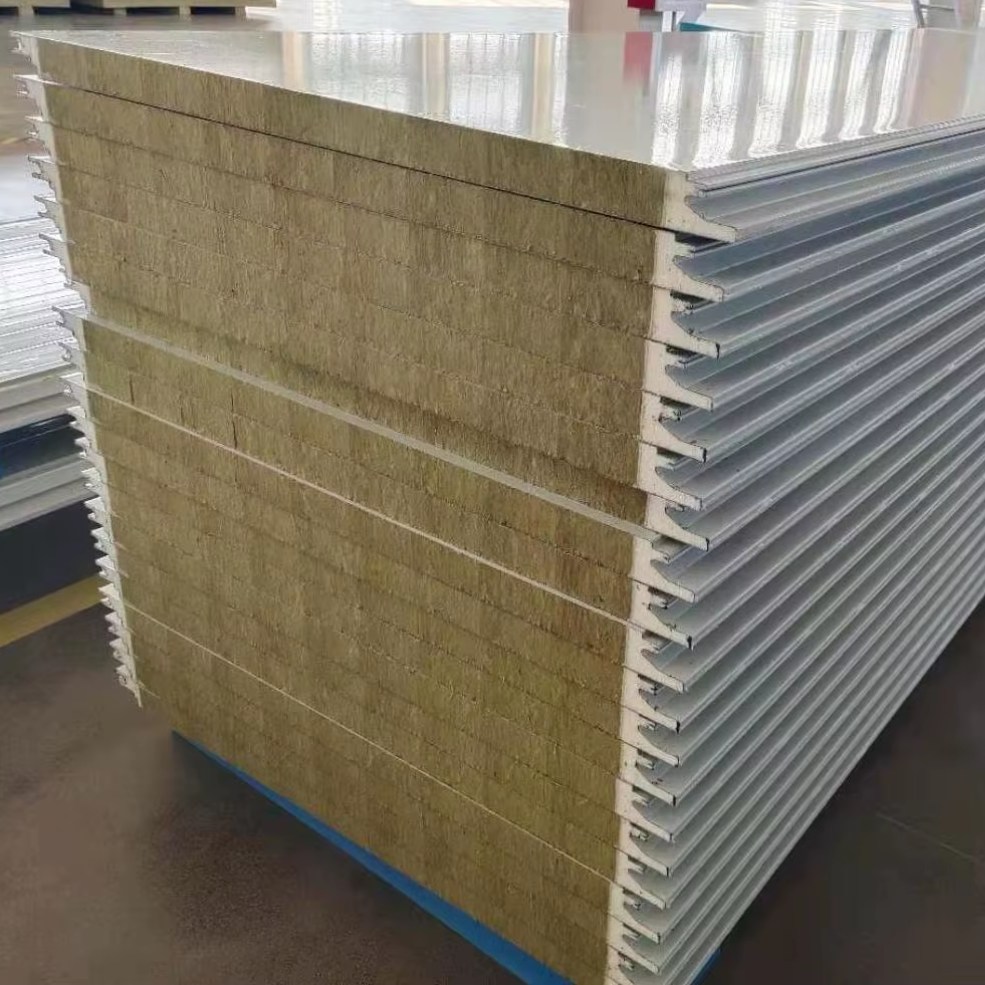
Fire performance also shapes the choice. A rock wool sandwich panel is a popular option for workshops, warehouses, and cold storage areas where fire safety matters. Its joints need the same care as any other. Mineral wool resists fire well, but a poor seam can still let smoke and moisture pass through.
Sealants and gaskets deserve a mention too. Cheap materials may look fine on day one and fail within a couple of years. Choosing products rated for your climate gives you a longer service life.
Getting the Details Right on Site
Even the best joint design needs careful installation. Crews should check that panels sit flat, edges align, and sealing strips stay in place before fastening. A few minutes of checking per panel prevents hours of repairs later.
Storage and handling play a part too. Panels that arrive with damaged edges are hard to seal, so it helps to inspect deliveries and protect the edges until installation.
Good drawings make the job easier. Clear details for corners, openings, and roof-to-wall junctions let installers work with confidence instead of guessing. It also helps to run a quick water test on a sample area before finishing the whole envelope.
If you are planning a building and want a second opinion on panel joints, send us your drawings or basic requirements. Details like building use, climate, and panel thickness are enough to start. We are glad to talk through options and share what has worked on similar projects.