
How to Use Ascophyllum Nodosum in Agriculture?
Ascophyllum Nodosum Agriculture is attracting attention as growers seek practical ways to support crops under heat, drought, and variable nutrient conditions. The seaweed is processed into liquid extracts, powders, and granules for seed, soil, or foliar application. Product composition and field response can differ.
The wider sector is substantial. FAO’s 2024 report recorded 37.8 million tonnes of aquatic algae production worldwide in 2022; that figure covers many algae species, not agricultural extracts alone. It provides context, not proof of crop performance. Plant-biostimulant expert Patrick du Jardin wrote: “A plant biostimulant is any substance or microorganism applied to plants with the aim to enhance nutrition efficiency, abiotic stress tolerance and/or crop quality traits, regardless of its nutrients content.” His 2015 review in Scientia Horticulturae helps frame what seaweed products may—and may not—claim. Results vary.
For growers, the useful questions are concrete: Which crop? What application timing? What does the product label specify? Research on Ascophyllum nodosum extracts reports potential benefits, but outcomes depend on formulation, dose, crop, and growing conditions. A greener trial plot is encouraging, not conclusive. This guide explains common application methods, practical handling, and the evidence behind them, while noting where results remain uncertain. Follow label directions, keep records, and compare treated rows with untreated controls. That matters.
Understanding Ascophyllum Nodosum and Its Agricultural Forms
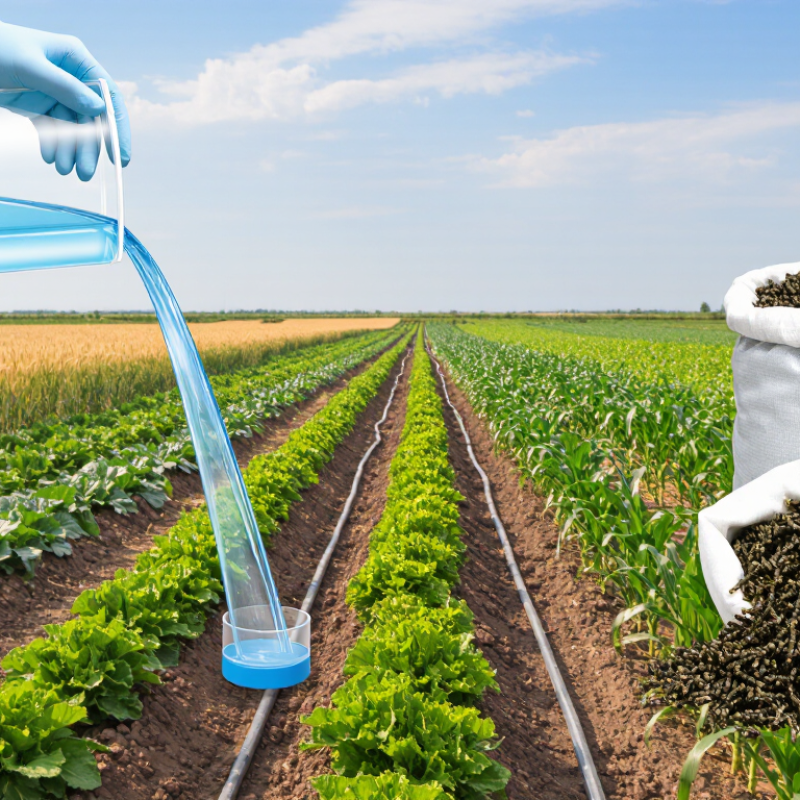
Ascophyllum nodosum is a brown seaweed harvested mainly from cold North Atlantic shores. It is sold for agriculture as dried meal, soluble powder, or liquid extract. The form depends on processing: drying and milling retain seaweed tissue, while extraction separates soluble compounds from much of the fibrous material. Products can therefore differ in mineral content, organic compounds, and solubility. The label can make the material seem simpler than it is.
Scale matters, but figures need context. FAO’s The State of World Fisheries and Aquaculture 2024 reports 37.8 million tonnes of aquatic algae produced globally in 2022. That figure covers many algae and production systems; it is not an estimate of A. nodosum used in agriculture. A peer-reviewed review by Craigie in the Journal of Applied Phycology (2011) describes how seaweed-extract composition and plant responses vary with species and processing. In practice, a liquid may mix readily into a spray tank, while a meal may release nutrients more slowly. Not always. I would avoid treating the forms as interchangeable, or assuming that a higher concentration guarantees better crop response. Check the product’s stated composition and application directions, then assess performance on a small, comparable crop area.