Icon about-block-ico-1 Icon about-block-ico-2 Icon about-block-ico-3 Icon about-block-ico-4 Icon announcement-close Icon arrow-left Icon arrow-right Icon arrow-sm Icon asterisk Icon banner-transparent-vector Icon btn-callback-ico Icon careers-item-location Icon careers-item-time Icon careers-item-type Icon careers-mail-ico Icon careers-phone-ico Icon careers-search-ico Icon careers-single-hero-vector Icon careers-single-more-vector Icon careers-vector Icon check Icon close Icon dfm-image-left-vector Icon dfm-image-right-vector Icon document Icon download-popup-vector Icon dropdown Icon envelope Icon facebook Icon faq-banner-bg Icon faq-title-ico-active Icon faq-title-ico Icon featured-links-block-bg Icon figure-1 Icon figure-10 Icon figure-11 Icon figure-12 Icon figure-13 Icon figure-14 Icon figure-15 Icon figure-2 Icon figure-3 Icon figure-4 Icon figure-5 Icon figure-6 Icon figure-7 Icon figure-8 Icon figure-9 Icon file-upload Icon form-sidebar-back Icon form-step-done Icon gmap-marker-group-icon Icon gmap-marker-icon Icon header-profile-ico Icon instagram Icon link Icon linkedin Icon loader Icon mail Icon phone Icon play-yt Icon play Icon post-nav-arr-left Icon quote-banner-vector Icon quote-block-aside-vector Icon quote-contact-phone-ico Icon quote-contact-position-ico Icon sidebar-location Icon sidebar-phone Icon technology-banner-nav-left-vector Icon technology-banner-nav-right-vector Icon twitter Icon webinar-item-date-vector Icon whitepaper-img-ico-left Icon whitepaper-img-ico-right Icon whitepapers-listing-banner-ico Icon whitepapers-single-aside-vector Icon youtube Icon yt-play-button

What Are the Top Types of Snap Button Kits?

Snap fasteners look simple: a small cap, socket, stud, and post join two layers of fabric with a firm press. Choosing a Snap Button Kit is less simple. Kits differ in button size, material, included tools, and installation method. A set designed for lightweight cotton may not suit thick denim or layered canvas. That mismatch can leave a button loose, damage the fabric, or make fastening difficult. Small details matter.

This guide explores common kit types, including hand-press kits, plier-style sets, and options with interchangeable dies. It also considers metal and plastic snaps, along with the projects each may suit, from baby clothes and shirts to bags and craft items. Not every kit fits. Before buying, check the listed snap diameter, compatible fabric thickness, and whether the required setter is included. A few test snaps on scrap fabric can reveal problems before they reach a finished project. The advice here focuses on practical selection, not one universal winner; product specifications and results vary by maker and material. Even experienced crafters can misjudge fabric thickness, and that is worth admitting. Comparing the kit’s parts with your project is a more reliable starting point than choosing by appearance alone.
What Are the Top Types of Snap Button Kits?

What Components Define a Snap Button Kit?

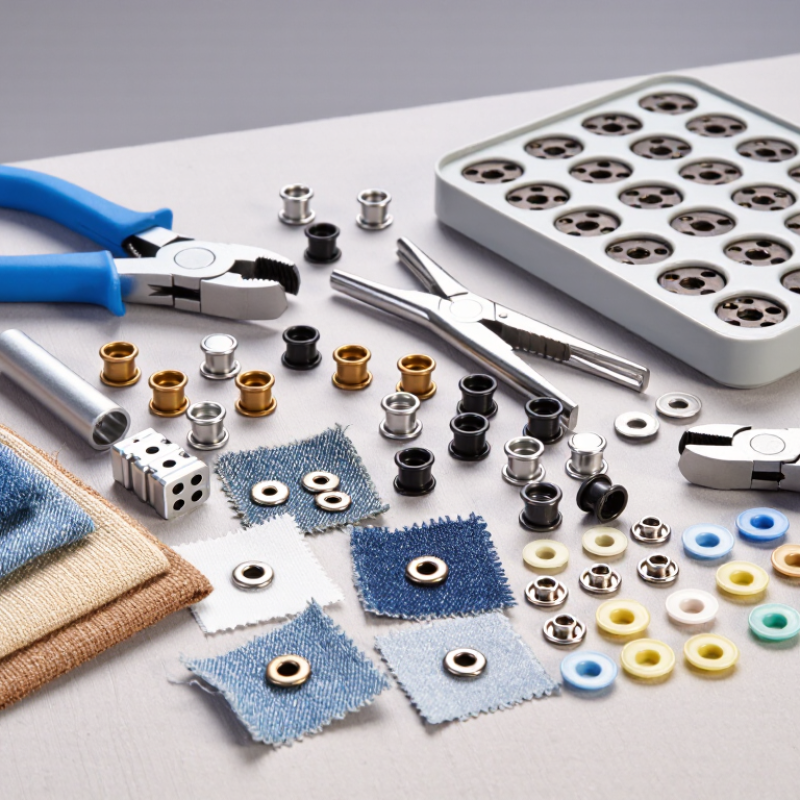
A snap button kit is defined by its fastener parts and the tools needed to attach them. A standard snap has four pieces: a cap, a socket, a stud, and a post. The cap and socket form one side; the stud and post form the other. When pressed together, the socket grips the stud and holds the fabric closed. Small parts matter.

Many kits also include a hand-setting tool, matching dies, or a small press. These pieces help crimp the post evenly without crushing the cap. Check that the die shape and snap size match; a mismatched tool can leave a loose or distorted fastener. Some kits add spare snaps, a hole punch, or brief instructions, but contents vary. Read the parts list before buying.

Fabric thickness matters too. A post that is too short may not secure several layers, while one that is too long can bend during setting. For denim, canvas, or layered fabric, check the maker’s stated material range and test one snap on a scrap piece first. It is easy to assume every snap kit fits every project. That assumption often costs time.

How Snap Button Kits Are Classified by Attachment Method

Snap button kits are easiest to compare by how they attach, rather than by color or the number of pieces. Sew-on kits use snaps with small holes or a fabric-backed ring, secured with needle and thread. They suit light garments, repairs, and delicate cloth that might deform under pressure. Slow, but forgiving. Stitch placement affects how evenly the closure holds.

Press-set kits use snap halves installed with a hand tool, pliers, or a small press. A post passes through the fabric, then matching dies compress the cap and socket into place. These kits work well for jackets, bags, and canvas, provided the material can handle pressure and a small hole. Misaligned parts may look secure but pop apart after repeated use. Test on a scrap first.

Other kits use prongs that fold behind the fabric, or screw-back posts that clamp layers together. Prong snaps install quickly, but thin or loosely woven cloth may need reinforcement. Check the reverse side. Screw-back styles can suit thicker assemblies, though bulky layers may stop the snap from closing cleanly. Adhesive-backed options also exist, but washing, heat, and flexing can weaken their hold. I would not assume one method is best; fabric thickness and how the item will be used should guide the choice.

Sew-On Snap Button Kits for Lightweight Fabrics

Sew-on snap button kits suit lightweight fabrics because they avoid the pressure of pliers and bulky hardware. They work well on cotton lawn, thin shirts, baby garments, and fabric pouches. A typical kit includes two matching snap halves, a needle, and thread. Check that the pieces face the correct way before stitching; reversing one half is an easy mistake.

Use a fine needle and thread that matches the fabric. Place the snap away from a raw edge, then sew through each attachment hole with small, even stitches. Keep the thread secure but not tight. Excess tension can pucker thin cloth. For very delicate fabric, add a small scrap of interfacing or lining behind the snap to spread the pull. Test the placement on a fabric offcut first. Small details matter.

After sewing, fasten and release the snap several times. The fabric should lie flat, and the snap should hold without straining the stitches. Even careful stitching can look a little uneven, so inspect both sides before finishing. If the snap feels stiff or pulls the cloth, reposition it or reinforce the backing. Wash-care needs vary by fabric and thread, so follow the garment’s care instructions and check the stitching after laundering.

What Are the Top Types of Snap Button Kits? - Sew-On Snap Button Kits for Lightweight Fabrics

Kit Type Typical Snap Size Common Components Suitable Lightweight Fabrics Key Considerations
Small metal sew-on snap kit About 7–10 mm in diameter Matching male and female snap halves, each with sewing holes Blouses, fine cotton, lightweight lining, and delicate craft projects Small snaps add less bulk. Use fine thread and take stitches through the holes without pulling the fabric out of shape.
Medium metal sew-on snap kit About 10–12 mm in diameter Metal snap halves, often supplied in several pairs Lightweight jackets, shirt plackets, and medium-weight cotton garments A practical general-purpose size; check that the snap’s weight and closing force suit the fabric.
Plastic sew-on snap kit Commonly about 8–12 mm in diameter Plastic male and female halves with sewing holes Lightweight clothing, children’s garments, and projects where a non-metal fastener is preferred Plastic snaps are often lightweight, but strength and wash-care instructions vary by product.
Assorted-size sew-on snap kit A selection, often around 7–12 mm Pairs in multiple diameters, sometimes with a storage case Mixed sewing projects using different lightweight fabrics Useful for testing scale and closure feel before sewing. Confirm that each pair has matching halves.
Color-variety sew-on snap kit Usually one or more small-to-medium sizes Snap pairs in assorted finishes or colors Visible closures on lightweight garments, accessories, and craft items Choose a finish that complements the design. Test on a fabric scrap to check for snagging or show-through.

Selection tip: Snap diameters and kit contents vary by manufacturer. For lightweight fabric, compare the fastener’s size and weight with the fabric, and test the closure on a scrap before attaching it to the finished garment.

Press-Fit Kits for Metal and Plastic Snap Fasteners

What Are the Top Types of Snap Button Kits?
Press-Fit Kits for Metal and Plastic Snap Fasteners

Press-fit snap button kits are useful when you need a repeatable way to attach fasteners without sewing. A typical kit includes a hand press or setting tool, matching dies, and snap components. Metal snaps often need firm, even pressure to secure their posts and sockets. Plastic snaps can require different dies and a gentler, well-aligned setting. Fit matters. Dies are not automatically interchangeable, so check the kit’s specifications before starting.

For a clean result, test one snap on a fabric scrap with the same thickness as your project. A canvas bag and a lightweight shirt behave quite differently. Keep the fabric flat, center the fastener, and press straight down; a tilted setting can leave the cap raised or the snap loose. A common mistake is choosing a kit by snap diameter alone. Post length and die shape matter, too. Even careful setups can produce an imperfect snap, especially on thick seams. That can vary. Inspect the first few fasteners and adjust your material or pressure before continuing. If the kit does not specify compatibility with your snap material, do not assume it will work.

How to Match a Snap Button Kit to a Fabric and Project

Matching a snap button kit to fabric starts with thickness and stretch. A lightweight cotton shirt needs small snaps with short posts, so the fastener closes without crushing the cloth. Denim, canvas, or several fabric layers usually need longer posts and sturdier snaps. Check the kit’s stated fabric range rather than judging by the snap’s diameter alone. A post that is too short may not grip securely.

The project matters, too. For a child’s lightweight jacket, evenly spaced, low-profile snaps can make dressing easier. A tote bag needs stronger fasteners because its closure may be pulled repeatedly. Knit fabric can stretch around a snap, so reinforce the area with a small interfacing patch. Test one snap on a fabric offcut first. It takes a minute.

Choose a kit with a setting tool that fits its snaps; mismatched tools can bend the cap or leave the post loose. Plastic snaps suit some washable, lightweight projects, while metal snaps often feel more substantial on outerwear. I sometimes focus too much on color at first. That’s not the useful first decision. Fabric thickness, snap size, and tool compatibility deserve a closer look.

MSIRobot