HDPE sheets can look similar on a warehouse rack, yet behave differently under sunlight, repeated impact, or chemical exposure. “Top types” usually means practical grades and finishes, not one universal industry classification. Common choices include natural and black HDPE, UV-stabilized sheet, food-contact grades, textured sheet, and recycled-content options. Each has trade-offs. Color alone does not confirm performance.
The U.S. Environmental Protection Agency’s 2018 national materials data reported a 29.3% recycling rate for natural HDPE bottles. That figure concerns bottles, not sheet products, but it shows why recycled content and material traceability deserve careful attention. ASTM D4976 provides a recognized specification for polyethylene molding and extrusion materials; buyers can use it as a technical reference, while checking each supplier’s sheet data sheet for grade-specific properties. Details matter. Thickness, operating temperature, load, and outdoor exposure can change the right choice. A thick sheet is not automatically the best one.
I cannot verify a named HDPE sheet expert’s exact quotation from the material provided, so I will not invent one. This guide instead compares sheet types through practical selection criteria, including stiffness, wear resistance, fabrication needs, and intended environment. Some distinctions are less tidy than product labels suggest. Confirm the grade before specifying Hdpe Sheet Plastic for a demanding application.
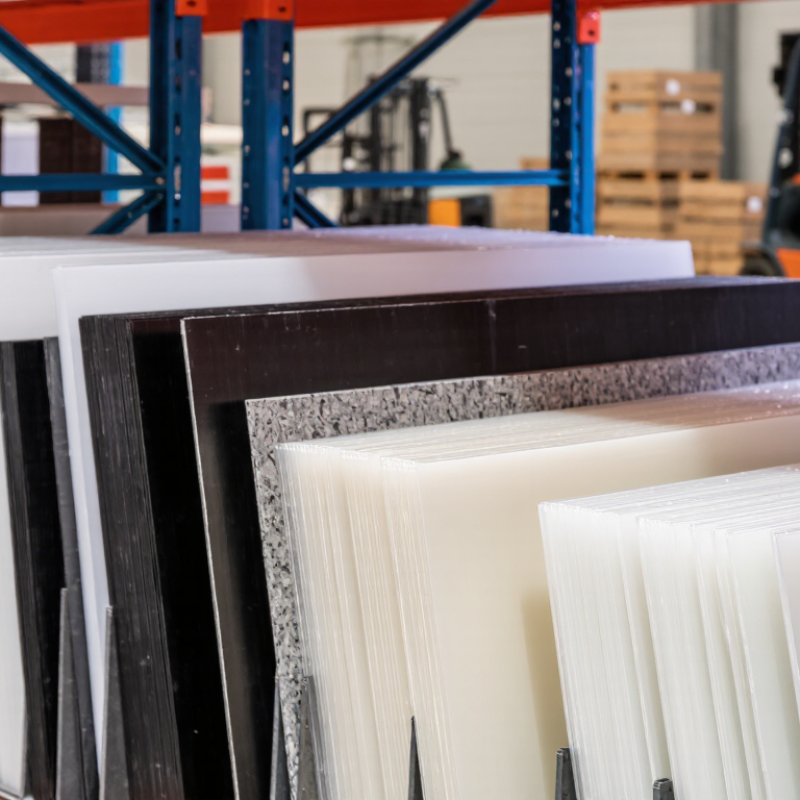
HDPE sheets vary by resin, additives, and intended use. General-purpose, virgin HDPE offers consistent color and machining behavior, making it useful for tanks, cutting boards, and fabricated panels. Recycled HDPE can lower demand for virgin resin, but its color and properties may vary between batches. Check the supplier’s technical data sheet before specifying it. That matters. UV-stabilized sheets resist outdoor degradation better, while antistatic or conductive grades suit applications where surface charge must be managed. These are not interchangeable upgrades; additives can affect fabrication and performance.
PlasticsEurope’s Plastics—The Fast Facts 2023 reports global plastics production of 400.3 million tonnes in 2022, showing the scale of the material stream behind sheet products. The OECD’s Global Plastics Outlook reports 353 million tonnes of plastic waste in 2019, with only 9% recycled. Those figures describe plastics broadly, not HDPE sheets specifically. Still, they make recycled content worth examining carefully. For a sun-exposed sign, UV resistance may matter more than a low purchase price; for a machined component, stable thickness and clean edges may matter more. Color can hint at recycled content, but it proves little. I’d compare resin type, thickness tolerance, impact data, and intended-use documentation before choosing. Labels can oversimplify.
Standard HDPE Sheets for General-Purpose Applications
Standard HDPE sheets suit many everyday fabrication and maintenance tasks. They are commonly used for guards, cutting surfaces, tank liners, wear strips, and workshop fixtures. The material resists moisture and many common chemicals, so it can work well in damp or washdown areas. It is also relatively easy to cut and machine with suitable tools. In practice, the sheet’s thickness and support matter as much as its material. A thin panel may flex when it spans a wide opening.
“General-purpose” still has limits. Standard HDPE can expand with temperature changes, and it may creep under sustained loads. It is not automatically the right choice for high heat, tight tolerances, or heavy structural support. Check the expected load, operating temperature, chemical exposure, and mounting method before selecting a sheet. A small test piece can reveal machining or fit issues early. That step is easy to skip.
Tips: Measure the finished span and allow room for movement during installation. Use broad washers or supported edges where panels may flex. Keep a sample from the same sheet for fit checks; even a sensible plan can miss a detail.
UV-stabilized HDPE sheets are designed to handle sunlight better than standard HDPE. They suit outdoor equipment, garden edging, protective panels, and exposed work surfaces. The stabilizers slow UV-related degradation, which can otherwise make plastic fade, chalk, or become brittle over time. They do not make a sheet immune to weather.
Look at the expected exposure before choosing a grade. A panel in full sun on a rooftop faces different conditions from one beneath a shaded deck. Check the supplier’s technical data for UV performance, recommended thickness, and temperature range. For a large panel, allow for expansion and contraction; HDPE moves with temperature. That detail is easy to miss.
Color can affect heat absorption, and surface wear may still show after years outdoors. Inspect sample material in the intended setting when appearance matters. A useful test is simple: leave a small offcut in the same sun and weather as the planned installation, then compare it periodically with a stored piece. It takes patience. Results may vary with climate, orientation, and maintenance, so avoid treating a single test as a guaranteed service-life estimate.
| HDPE Sheet Type | Typical Appearance or Formulation | Outdoor UV Considerations | Common Uses | Selection Notes |
|---|---|---|---|---|
| UV-stabilized black HDPE | Black sheet with UV-protective additives; carbon black is commonly used in outdoor HDPE formulations. | Often selected for prolonged sun exposure. Actual weathering performance depends on the formulation, thickness, and exposure conditions. | Outdoor equipment, protective liners, agricultural components, and exposed panels. | Confirm that the sheet is specifically rated or formulated for outdoor UV exposure; black color alone does not establish a service-life guarantee. |
| UV-stabilized colored HDPE | Pigmented sheet available in colors such as blue, green, or gray, with UV stabilizers where specified. | Outdoor resistance varies with the pigment and stabilizer package. Color may fade over time, even when the sheet remains serviceable. | Outdoor signage, recreational structures, guards, and visible architectural or utility panels. | Check the product data for UV suitability and colorfastness; not every colored HDPE sheet is intended for extended outdoor use. |
| Natural or translucent HDPE | Unpigmented or lightly colored sheet, often selected where a light appearance is needed. | Standard grades may weather more quickly outdoors than UV-stabilized grades. UV-stabilized versions are available from some suppliers. | Indoor fabrication, covers, partitions, and outdoor applications when a UV-rated grade is specified. | Do not assume natural or translucent sheet is suitable for long-term sunlight exposure; verify the exact grade before use. |
| Textured or embossed HDPE | Sheet with a patterned or textured surface; it may be supplied in UV-stabilized formulations and different colors. | UV performance comes from the material formulation, not the surface texture. Outdoor suitability should be confirmed for the specific grade. | Decking components, work surfaces, equipment panels, and applications where added surface grip or a patterned finish is useful. | Choose the surface pattern for the application and verify UV rating, cleaning requirements, and fabrication compatibility. |
| Standard, non-UV-stabilized HDPE | General-purpose sheet without a stated outdoor UV stabilization package. | Repeated sun exposure can cause weathering and changes in surface or mechanical properties; it is generally a less suitable choice for extended outdoor exposure. | Indoor guards, fabrication projects, liners, and other sheltered uses. | For exposed installations, select a grade explicitly intended for outdoor service rather than relying on color or appearance. |
Note: UV resistance and service life vary by formulation, sheet thickness, climate, orientation, and maintenance. Consult the sheet's technical data for the intended exposure and application.
Food-grade HDPE sheets suit food-contact surfaces because they absorb little moisture and are easy to clean. Their smooth, nonporous surface helps prevent food residue from soaking in. That matters. They are commonly used for cutting boards, preparation surfaces, and liners in food-handling areas. HDPE also resists many everyday cleaning chemicals, but resistance depends on the chemical, concentration, and exposure time. “Food-grade” is not a guarantee that every sheet suits every task. Confirm that the material’s documentation covers the intended food, temperature, and cleaning conditions.
In a busy kitchen, a sheet may face repeated knife marks, spills, and washdowns. Choose a thickness suited to the support beneath it, and avoid assuming that a thicker sheet is automatically safer or easier to maintain. Scratches can hold residue, so inspect surfaces regularly and replace damaged sections when they are difficult to clean. One detail is easy to overlook: fabrication matters too. Rough edges, gaps, or poorly sealed joints can collect debris. Ask for food-contact documentation and clear care instructions before installation. The paperwork can feel tedious, but it is worth checking.
Textured HDPE sheets add a raised or patterned surface where smooth plastic can feel slippery. The texture can improve grip on work surfaces, equipment panels, and storage areas exposed to splashes. It also hides light scuffs better than a glossy finish. A practical detail: raised patterns may trap dirt, so frequent-wash areas need a texture that is easy to clean. A useful grip. But texture alone does not make a sheet safer; the pattern, footwear, moisture, and installation all matter.
Marine-grade HDPE is typically selected for outdoor durability and resistance to water, not because the label guarantees identical performance across suppliers. The Plastics Pipe Institute’s Handbook of Polyethylene Pipe gives a density range of about 0.941–0.965 g/cm³ for polyethylene grades; this is useful material context, not a sheet-performance guarantee. Check the sheet’s technical data for UV stabilization, thickness, temperature limits, and fastener compatibility. Salt water is only part of the exposure: sunlight, heat, and repeated cleaning can also affect service life. “Marine-grade” can be an imprecise label. Ask for test data and the intended exposure conditions, especially for docks, boat interiors, or continuously wet installations.
MSIRobot