
What Are the Top Types of EMT Waterproof Connectors in 2026?
What Are the Top Types of Emt Waterproof Connectors in 2026? The right connector depends on where the conduit runs, how it is installed, and what moisture it may face. EMT itself is not waterproof, so the fitting and its listing matter. A dry indoor ceiling has different needs from a damp garage wall or an exposed outdoor run. Look closely at the connector’s gasket, compression ring, and conduit grip. Small details can decide whether water finds a path inside.
Electrical educator Mike Holt’s safety-focused approach offers a useful lens for choosing fittings. A practical editorial paraphrase—not a verbatim quote—is: “Match the fitting to the exposure, then verify the seal.” In this guide, we compare common Emt Waterproof Connectors, including raintight compression connectors, gasketed fittings, and other options intended for wet or damp locations. We’ll also explain where ordinary set-screw connectors may fall short. Check product markings and manufacturer instructions; similar-looking fittings can have different ratings. A snug fit is not proof of a watertight installation. Field conditions matter, too: uneven conduit ends, a missing sealing ring, or a poorly tightened coupling can undermine an otherwise suitable connector. We’ll keep the comparisons practical, while noting where product specifications—not appearance—should guide the choice.
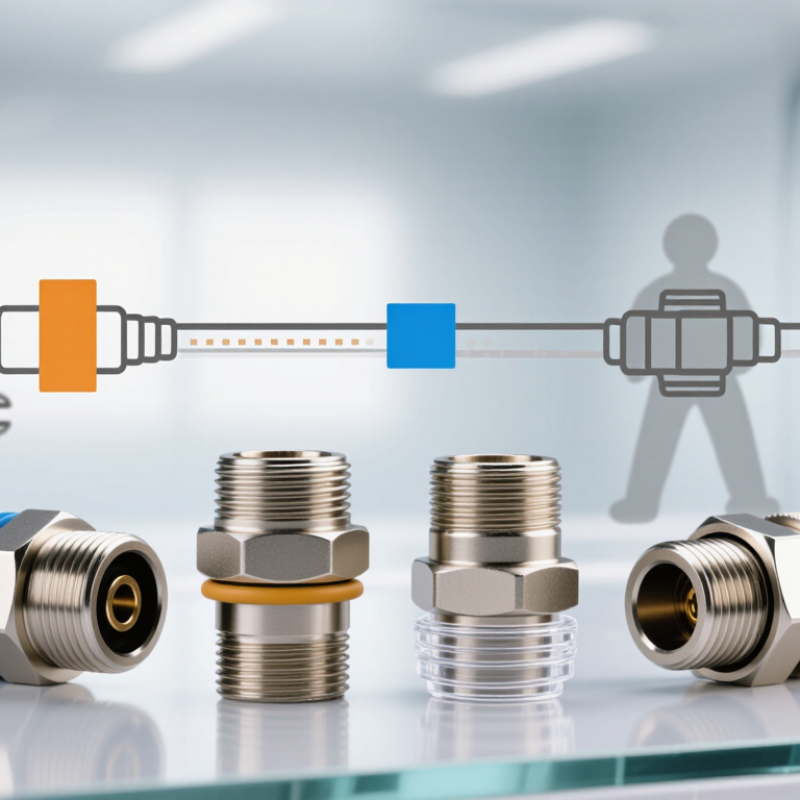
What Makes an EMT Connector Waterproof in 2026?
What Makes an EMT Connector Waterproof in 2026?
An EMT connector is not waterproof simply because it holds conduit firmly. Water resistance depends on its design, listed use, and installation. For damp or outdoor locations, look for fittings specifically marked for wet-location or rain-tight use. Many use a gasket, sealing washer, or compression mechanism to close the gap between the connector and conduit. Small gap, big consequence.
The seal must stay continuous where the connector meets the box, too. A correctly sized fitting, clean conduit end, and properly tightened locknut or compression nut all matter. During installation, check that the gasket sits flat and is not pinched or cracked. A connector’s protection rating, when provided, applies only under stated conditions; it does not automatically make the whole conduit system waterproof.
I would not rely on appearance alone. Two fittings can look nearly identical while being intended for different environments. Check the product marking and instructions, then confirm the box, entry points, and other fittings are suitable for the same exposure. Even a well-made seal can fail if overtightened, damaged, or installed on an uneven surface. That detail is easy to overlook.