Top 5 Electrical Breakers You Need to Know About?
Electrical Breakers are essential components in modern electrical systems. They protect homes and businesses from overloads and short circuits. Understanding the various types of electrical breakers can help you make informed decisions for safety and efficiency.
The recommended electrical breakers are designed for specific applications. Each type has unique features tailored to various environments. Some may be more suitable for residential settings, while others shine in industrial scenarios. The variety can be overwhelming. But, knowing the right type can prevent costly accidents.
In this exploration of the top five electrical breakers, we will delve into their functions and advantages. Consider how your specific needs align with these options. Reflect on how the right electrical breaker can enhance safety and performance in your space. Making informed choices will ultimately lead to a safer and more efficient electrical system.
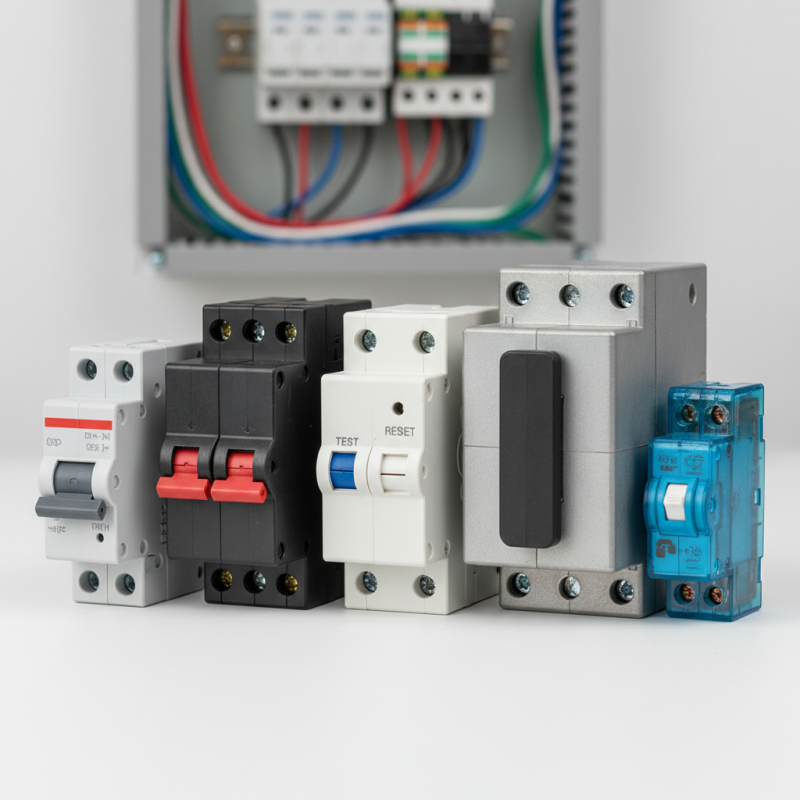
Understanding Electrical Breakers: Importance and Functionality
Electrical breakers play a crucial role in protecting your home and keeping you safe from electrical hazards. They monitor electrical flow and interrupt it in case of an overload. This reduces the risk of fires and equipment damage. Understanding how they function is essential for any homeowner.
Tips: Regularly check your breakers to ensure they are functioning correctly. Look for signs of wear or damage. If a breaker frequently trips, it might be a symptom of an underlying issue. Don't ignore recurring problems; they could signal a more serious electrical fault.
Different types of breakers exist, each designed for specific functions. Standard circuit breakers protect against overloads, while GFCI breakers guard against ground faults. AFCI breakers provide additional protection by detecting arcs. Familiarizing yourself with these types can help you make informed decisions about your electrical system.
Tips: Always consult a professional for installation or replacement. DIY electrical work can lead to dangerous mistakes. Ensure you understand your electrical load and the appropriate breakers needed for your home. Investing time in this knowledge could save you from future complications.
Top 5 Electrical Breakers: Understanding Importance and Functionality
This chart illustrates the importance levels of different types of electrical breakers, rated on a scale from 1 to 10. Understanding their functionality is crucial for effective electrical system management.
Main Types of Electrical Breakers and Their Applications
Electrical breakers are critical components in any electrical system. Understanding their main types and applications can enhance safety and efficiency. The most common types are circuit breakers, residual current devices (RCDs), and surge protective devices (SPDs), each serving unique purposes.
Circuit breakers are designed to protect electrical circuits from overloads and short circuits. According to the National Fire Protection Association (NFPA), circuit breakers prevent nearly 50% of electrical fires. RCDs detect imbalances in electrical current, cutting off power to prevent shocks. The Electrical Safety Foundation International (ESFI) reports that installing RCDs can reduce electrocution risks by 90%. SPDs protect equipment from voltage spikes, ensuring longevity and reliability.
**Tips**: Always choose the right breaker for your application. Improper selection can lead to inadequate protection. Regular inspection of breakers is crucial. Faulty breakers may not trip as needed, leading to hazardous situations. Ensure clear labeling of breaker panels. Confusion during a power outage can lead to dangerous mistakes.
In practice, testing breakers can reveal underlying issues. A breaker that trips frequently could indicate an overloaded circuit. It's vital to address these concerns promptly. Ignoring signs of trouble often leads to costly repairs and safety hazards. Regular training on electrical safety for staff is essential. Empowering everyone with knowledge avoids common electrical pitfalls.
Key Features to Consider When Choosing Electrical Breakers
When selecting electrical breakers, several key features warrant close attention. Understanding the rating is crucial. Most residential breakers are rated between 15 to 60 amps. Choosing the right amperage ensures safety and functionality. Breakers with higher ratings prevent overloads that could lead to fires.
Type is another important factor. Common types include standard circuit breakers and ground fault circuit interrupters (GFCIs). GFCIs are vital in areas prone to moisture, like kitchens or bathrooms. They offer enhanced protection against electric shock. Current industry data indicates that about 70% of electrical hazards stem from improper breaker types.
Tips: Consider the installation environment when selecting breakers. Humidity and exposure to water can reduce a breaker's effectiveness. Regular maintenance checks can spot potential issues early on.
Finally, look into the type of protection offered. Some breakers provide adjustable settings for different scenarios. A study by the National Fire Protection Association points to the fact that smart breakers decrease risk by 30%. It’s worth reflecting on the long-term benefits of investing in quality over quantity. The right choice now can prevent costly repairs and hazards later.
Top 5 Electrical Breakers You Need to Know About
| Breaker Type | Amperage Rating | Voltage Rating | Number of Poles | Key Features |
| Standard Circuit Breaker | 15-125A | 120/240V | 1-2 | Cost-effective, widely used |
| GFCI Breaker | 15-100A | 120V | 1 | Protection against ground faults |
| AFCI Breaker | 15-60A | 120V | 1 | Prevents arc faults, enhances safety |
| Dual Function Breaker | 15-100A | 120/240V | 1-2 | Combination of GFCI and AFCI features |
| Smart Breaker | 15-200A | 120/240V | 1-2 | Wi-Fi enabled, real-time monitoring |
Top 5 Recommended Electrical Breakers for Home and Commercial Use
When selecting electrical breakers for home and commercial use, reliability is paramount. One crucial aspect is the amperage rating. Standard household circuits often require 15-20 amp breakers. For larger appliances, you may need breakers rated for 30 amps or more. Choosing the appropriate amperage can prevent overheating and potential fire hazards.
Another important factor is the breaker type. There's no one-size-fits-all solution. Different environments may require different types, such as standard, GFCI, or AFCI breakers. GFCI breakers are essential in wet areas, like kitchens and bathrooms, as they prevent electrical shock. Meanwhile, AFCI breakers are designed to reduce the risk of fires caused by arcing faults.
It's easy to overlook maintenance, yet it's vital. Regularly test your breakers to ensure they function properly. If a breaker trips frequently, it could indicate an underlying issue. Ignoring such signs can lead to more significant problems down the line. Remember, a breaker is only as good as its installation and ongoing care.
Safety Standards and Maintenance Tips for Electrical Breakers
Understanding safety standards for electrical breakers is essential. These devices protect circuits from overloads and short circuits. Regular maintenance ensures their reliability and longevity.
Check for proper installation regularly. Inspect terminals and connections for corrosion. Tighten any loose connections to prevent arcing, which can lead to fires. It’s vital to test breakers every few months. Press the "test" button to verify their functionality.
Documentation is crucial. Keep records of inspections and maintenance performed. Familiarize yourself with local electrical codes and standards; they vary by region. Awareness of these details helps prevent costly mistakes. Neglect often results in increased risks. Understanding the nuances of your electrical system can mitigate potential hazards.
