Top 10 Types of Corrosion Resistant Metal Cable Glands
Corrosion can begin with a small mark around a cable entry, then spread beneath a fitting’s finish. Salt spray, condensation, cleaning chemicals, and temperature changes all challenge metal cable glands. Choosing the right type helps protect cables and enclosure openings, but no material suits every site.
This guide introduces 10 types of corrosion-resistant metal cable glands, including stainless steel, nickel-plated brass, and coated options. Each offers different strengths. Stainless steel may suit exposed marine or outdoor equipment, while plated brass can be a practical choice in less aggressive conditions. The details matter: check the gland’s material, surface treatment, sealing components, cable range, and compatibility with the enclosure. A durable metal body cannot compensate for a damaged seal or poor installation.
Small choices count.
A Corrosion-Resistant Metal Cable Gland should be selected for the actual exposure, not just its appearance or material name. Consider salt, moisture, chemical contact, vibration, and maintenance access. Product specifications and relevant test data provide a stronger basis for comparison than broad claims such as “corrosion-proof.” Even careful selection has limits. Real conditions can differ from a test environment, and coatings may wear over time. The overview ahead explains common gland types and what to examine, helping engineers and buyers narrow their options with informed judgment.
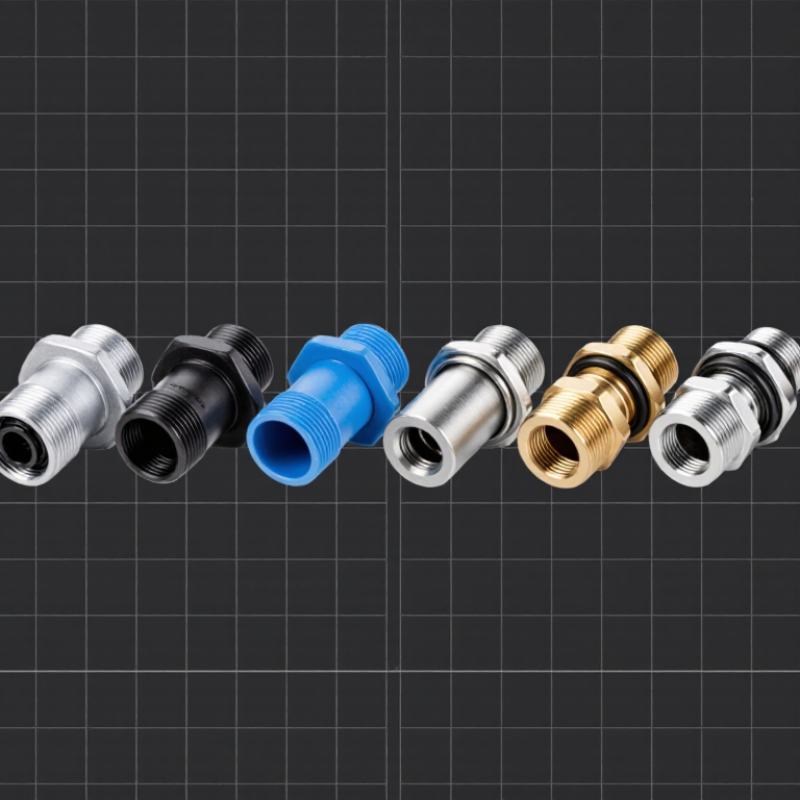
Corrosion Resistance in Metal Cable Glands: Key Principles
Corrosion resistance in metal cable glands depends on the whole assembly, not just the gland body. Material choice, surface finish, thread contact, and sealing all matter. A stainless steel gland can still corrode if it touches a less noble metal in a wet, salty environment. Small gaps matter. Trapped moisture and deposits can create crevice corrosion around threads or under seals.
NACE International’s 2016 IMPACT study estimated that corrosion costs the global economy about US$2.5 trillion annually, or 3.4% of global GDP. The study also suggested that better corrosion management could save 15–35% of those costs. These figures cover many industries, not cable glands alone, but they show why small component failures deserve attention. ISO 9223 classifies atmospheric corrosivity by factors including humidity, airborne salinity, and pollution; a coastal installation may therefore need different material protection than a dry indoor cabinet.
For gland selection, match the metal and coating to the actual exposure, then check the cable seal and enclosure interface. Look closely at cut threads, scratches, and contact points where protective layers may be damaged. A coating can appear sound while moisture works beneath it. That detail is easy to miss. Inspection should consider the full installation, since even a well-chosen gland cannot compensate for poor sealing or incompatible mating metals.
How Metal Choices Affect Corrosion Resistance
Corrosion resistance in a metal cable gland depends on the alloy, surface finish, and conditions around the installation. Choosing by alloy name alone can mislead. Grade 316 stainless steel contains molybdenum, which generally improves resistance to chloride-related pitting compared with grade 304. It is often considered for coastal sites or washdown areas, but it is not immune to corrosion. Salt deposits left around threads can still cause trouble. Grade 304 may suit dry indoor settings, where exposure to chlorides is limited.
Brass glands often rely on nickel plating for added surface protection. If installation tools scratch the coating, the exposed brass may corrode differently from the plated area. Aluminum is lightweight and can work well in many atmospheric environments, yet chloride exposure and contact with dissimilar metals need attention. Galvanic corrosion can occur when unlike metals touch in the presence of moisture.
Small details matter. Check the gland material against the enclosure, cable armor, and sealing hardware, not just the surrounding air. A clean, intact finish helps, though real installations are rarely perfect; condensation can collect beneath a fitting, and maintenance access may be poor. The best material choice comes from the actual exposure, including cleaning agents, temperature changes, and how often the gland gets wet.
The Top 10 Types of Corrosion-Resistant Metal Cable Glands
Top 10 Types of Corrosion Resistant Metal Cable Glands
The Top 10 Types of Corrosion-Resistant Metal Cable Glands
Corrosion can loosen a gland’s grip, damage threads, and expose cable entries to moisture. The 2016 NACE IMPACT study estimated corrosion costs at US$2.5 trillion annually, or 3.4% of global GDP. That figure covers many industries, not cable glands alone, but it shows why material selection matters.
Ten useful options include:
- 304 stainless steel for mild environments;
- 316 stainless steel for salt exposure;
- duplex stainless steel for demanding service;
- nickel-plated brass for general industrial use;
- marine bronze for wet settings;
- anodized aluminum for lighter installations;
- hot-dip galvanized steel for outdoor use;
- zinc-nickel-coated steel for enhanced coating protection;
- Monel alloy for specialized marine applications; and
- titanium for highly corrosive conditions.
No gland is corrosion-proof. Even the best material can fail.
Check the full assembly, not just the body. A stainless gland paired with unsuitable locknuts or washers can still develop corrosion at its joints. Match the material to the actual exposure: salt spray, cleaning chemicals, heat, and standing water all matter. In practice, the “best” choice may be less obvious than a catalogue suggests. Confirm thread compatibility, sealing requirements, and enclosure material before installation, and inspect connections periodically.
Where Different Gland Types Are Used
Stainless steel cable glands are often chosen for coastal equipment, food-processing lines, and outdoor control panels. They handle salt spray and frequent washdowns better than many standard metals, but grade and seal selection still matter. Nickel-plated brass suits indoor machinery and sheltered installations where corrosion exposure is moderate. It is durable, though prolonged contact with aggressive cleaners may damage its finish. Marine-grade glands are useful on vessels and docks, where spray and condensation reach cable entries. For lighter enclosures, corrosion-resistant aluminum can reduce weight, but it may be unsuitable around certain chemicals. The location decides more than the label.
Tips: Match the gland material to the actual exposure. Check the cable diameter, enclosure entry, temperature, and seal condition. A small mismatch can let moisture track along the cable.
In chemical plants, stainless steel is common near washdown zones, while compatible seals help protect against specific fluids. For outdoor lighting and remote sensors, sealed metal glands can keep rain and dust away from the enclosure. EMC glands are used where cable shielding needs a continuous electrical connection, such as around sensitive control equipment. They are not a cure for every interference problem. Even a well-made gland can fail when overtightened or installed on a damaged thread. That detail is easy to overlook.
Top 10 Types of Corrosion-Resistant Metal Cable Glands
Typical material suitability across common corrosive environments
Scores are indicative comparative guidance on a 1–5 scale, not standardized test results. Corrosion performance depends on the exact alloy, finish, installation, and exposure conditions. Chemical compatibility is especially substance-specific; confirm it with the gland manufacturer before selection.
How to Select a Gland for the Operating Environment
Selecting a corrosion-resistant cable gland starts with the actual exposure, not the material label. Salt spray, chemical washdown, standing water, and temperature swings attack components differently. ISO 9223 classifies atmospheric corrosivity, helping engineers describe exposure instead of relying on vague terms such as “harsh.” For coastal sites, check chloride exposure and inspect for crevices where moisture can collect. In chemical areas, verify compatibility with the specific process fluid. Stainless steel is not immune to pitting, and that matters near salt water. Small details count.
Sealing needs equal attention. IEC 60529 defines IP enclosure protection ratings, but an IP rating does not prove resistance to every chemical or installation condition. Match the gland’s seal to the cable jacket, enclosure entry, and expected ingress risk. The NACE IMPACT study estimated global corrosion costs at US$2.5 trillion, or 3.4% of global GDP, and reported potential savings of 15–35% through corrosion-management practices. Those figures make careful selection worthwhile. Still, a specification can miss real site conditions. Check thread engagement, tightening access, and seal compression during installation; revisit them after exposure to heat or vibration.
