Choosing the right Cnc Equipment can shape production quality, delivery speed, and long-term operating costs. Global buyers often compare machines by price alone. That approach can become expensive.
A reliable decision begins with the actual workpiece. Consider material, tolerance, batch size, floor space, and operator skill. A compact CNC mill may suit aluminum brackets, while a five-axis machining center handles complex aerospace components. CNC lathes support accurate shafts and threaded parts. Routers process wood, plastics, and composite sheets. Laser, plasma, and waterjet systems cut different materials with distinct heat and finish results. EDM machines serve hardened metals and intricate profiles. Grinding equipment delivers surface precision when milling cannot.
This guide examines ten major CNC equipment types used across international manufacturing markets. Each section explains practical applications, strengths, limitations, and purchasing considerations. It also considers spindle power, work envelope, control systems, maintenance access, energy use, and after-sales support. These details matter when replacement parts must cross borders or technicians work remotely.
Real experience is rarely perfect.
Machine specifications may look impressive, yet installation conditions can expose weaknesses. A buyer might underestimate coolant management, tooling costs, or staff training. I have seen capable equipment perform poorly because the factory lacked stable power or proper calibration routines. That is why dependable sourcing requires verified certifications, clear documentation, service coverage, and realistic production tests. The best machine is not always the most advanced model. It is the one that matches the process, budget, and people operating it.
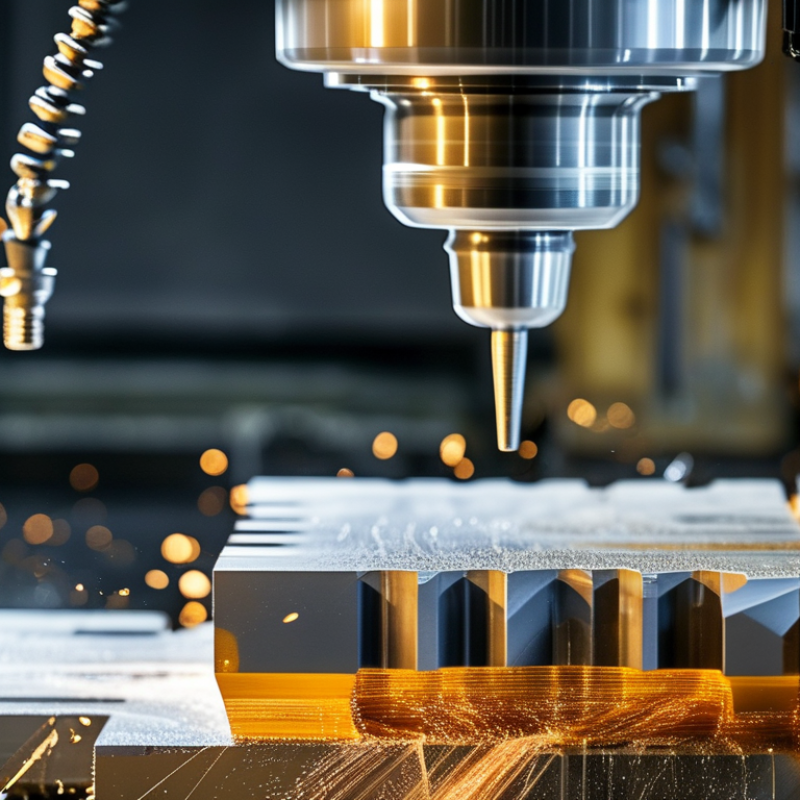
CNC equipment uses computer instructions to control cutting, shaping, drilling, or finishing operations. It converts digital designs into repeatable movements across one or more axes. Core functions include material removal, tool positioning, speed control, automatic tool changes, and dimensional inspection. Precision starts here.
The main classification follows the machining process, material, and axis configuration. Common types include CNC milling machines, lathes, machining centers, routers, grinders, electrical discharge machines, laser cutters, plasma cutters, waterjet cutters, and Swiss-type lathes. Milling suits complex metal parts, while routers often process wood, plastics, or composite sheets. Grinders refine surfaces. EDM handles conductive materials with narrow tolerances. Cutting equipment differs in heat, edge quality, and operating cost.
Global buyers should compare spindle power, working travel, control compatibility, tool capacity, maintenance access, and safety systems. A machine with five axes is not automatically better. Its value depends on part geometry and production volume. In practical evaluations, a small mismatch between fixture size and work area can create expensive delays. I have also seen specifications appear impressive while operator training remains weak. That problem is easy to underestimate. Reliable purchasing requires test samples, documented tolerances, electrical compatibility, and clear after-sales procedures. Machine classification narrows the choice, but real production conditions decide whether the equipment performs well.
The ten main CNC equipment types differ by motion, cutting force, and material response.
CNC milling machines use rotating tools to cut steel, aluminum, and plastics. They suit slots, pockets, faces, and irregular contours.
CNC lathes, often called turning centers, rotate the workpiece while tools shape shafts, threads, and bushings. Driven tools can add drilling and milling without another setup.
CNC routers handle wood, boards, foam, and softer plastics with high-speed spindles.
CNC plasma cutters slice conductive sheet metal using a focused arc and compressed gas. CNC laser cutters deliver narrow, clean cuts, although reflective metals demand careful settings.
Waterjet cutters use abrasive pressure and create little heat distortion. They work well with stone, glass, composites, and thick metal.
CNC grinders remove tiny amounts of material with abrasive wheels, often achieving tight finishes.
Wire EDM cuts hardened conductive metal through controlled electrical sparks and a moving wire. Sinker EDM uses a shaped electrode to form deep cavities when conventional tools struggle.
Five-axis machining centers reach complex surfaces in fewer setups. Every type has limits. Chips, heat, vibration, and poor workholding can ruin a good program.
I would check tolerance, batch size, material, and operator skill before choosing equipment. The cheapest machine may become expensive when alignment, maintenance, and rework are ignored.
CNC milling machines shape aluminum housings, steel brackets, and medical fixtures. They serve aerospace, automotive, electronics, and industrial tooling. CNC lathes produce shafts, bushings, and threaded parts for pumps, vehicles, and energy equipment. Turning centers combine turning with drilling and milling, reducing setup time for complex components. CNC routers cut wood, plastics, composites, and lightweight metals. Furniture makers, sign producers, and interior manufacturers use them daily.
CNC plasma cutters handle thick steel plates for construction frames and agricultural machinery. CNC laser cutters deliver clean profiles for sheet metal, appliance panels, and electrical cabinets. CNC waterjet machines cut stone, glass, rubber, and heat-sensitive alloys without a heat-affected edge. They fit architectural fabrication and specialized engineering work.
Wire EDM creates precise slots and contours in hardened steel. Mold, die, and precision tool industries depend on its narrow cutting path. Sinker EDM forms deep cavities for injection molds and stamping dies.
CNC grinding machines improve surface finish and dimensional accuracy on bearings, gears, and hardened shafts. Swiss-type lathes support high-volume production of small medical, electronic, and instrument parts. The workpiece stays well supported, which helps with slender designs.
However, equipment selection is rarely obvious. I have seen buyers focus on cutting speed while overlooking material behavior, fixture limits, and operator training. A cheaper machine may create higher costs through rework, inspection delays, and unstable accuracy. Verify tolerance requirements, production volume, service access, and local electrical standards before purchase.
Choosing among the top 10 CNC equipment types starts with the part, not the machine catalog. A three-axis machining center may suit flat aluminum housings, while a five-axis model reduces setups for curved aerospace components. CNC lathes handle rotational parts efficiently. Turning centers add live tooling. Routers fit sheets, plastics, and wood. Grinders deliver tighter surface finishes. Wire EDM cuts hardened materials with remarkable accuracy. Laser and plasma systems process sheet metal differently. Swiss-type machines support small, slender parts. Gear-cutting equipment serves specialized transmission work.
Compare measurable requirements before comparing prices. Record material hardness, maximum dimensions, tolerance, surface-finish targets, and monthly volume. A machine rated for 0.01 mm accuracy may not hold it in a hot, dusty workshop. Ask for test-cut data using your material. Check spindle power, tool capacity, chip evacuation, and automation options. Cycle time matters, but recovery time matters too. A five-minute setup repeated 200 times can outweigh a faster cutting cycle.
Global buyers should inspect installation drawings, electrical requirements, operator training, spare-part access, and service response times. Request clear documentation and safety certifications accepted in the destination market. In factory evaluations, I also watch operators load parts and clear chips. Small ergonomic problems become expensive daily delays. My own comparison sheets have sometimes favored advanced equipment too quickly. That was a mistake. A simpler machine with dependable support can outperform a sophisticated one when maintenance skills are limited. Confirm software compatibility, inspection methods, warranty terms, and realistic delivery schedules before signing.
How to Compare CNC Equipment for Different Production Needs
Top 10 CNC Equipment Types for Global Buyers
Global buyers should compare CNC equipment beyond the advertised purchase price. Turning centers, machining centers, routers, grinders, EDM machines, waterjet systems, laser cutters, press brakes, Swiss-type lathes, and multi-tasking machines have different cost structures. Freight, import duties, installation, tooling, software licenses, and operator training can change the final investment significantly. Cheap is not always cheap.
Standards require careful checking. Confirm electrical voltage, guarding, emergency-stop design, noise limits, and local certification requirements before ordering. Ask for accuracy test reports, calibration records, and clear technical drawings. ISO-related quality procedures can improve consistency, but a certificate alone does not prove machine performance. Request sample-cut results using your actual material and tolerances. That step often reveals uncomfortable gaps.
Support matters. A responsive service team, remote diagnostics, translated manuals, and stocked spare parts can reduce production delays. Maintenance access should be practical, with visible lubrication points, simple filter replacement, and documented inspection intervals. Calculate preventive maintenance costs over five years, not only the first invoice. In real factory evaluations, buyers sometimes underestimate training time and coolant management. I have seen ambitious specifications exceed the operator’s skills. That is worth reconsidering. A slightly simpler machine may deliver better output when local technicians can maintain it confidently.
| No. | CNC Equipment Type | Typical Applications | Indicative Equipment Cost (USD, Excluding Tooling and Shipping) | Typical Positioning Accuracy* | Relevant Standards and Compliance | Support and Training Needs | Routine Maintenance | Global Buyer Considerations |
|---|---|---|---|---|---|---|---|---|
| 1 | CNC Milling Machine | Prismatic parts, fixtures, molds, prototypes, and general metalworking | $25,000–$150,000 | Approximately 0.005–0.020 mm, depending on machine class and test method | ISO 230 series; ISO 12100; IEC 60204-1; local machine-safety and electrical requirements | Medium; operator training, programming support, and spare-parts availability are important | Daily cleaning; lubrication checks; coolant management; periodic alignment and spindle inspection | Check table size, spindle power, voltage, metric or imperial configuration, installation requirements, and service response time |
| 2 | CNC Turning Center | Cylindrical parts, shafts, bushings, threaded components, and fittings | $35,000–$180,000 | Approximately 0.005–0.015 mm, depending on configuration and workpiece size | ISO 230 series; ISO 23125 for turning machines; ISO 12100; IEC 60204-1 | Medium to high; setup, chucking, tooling, bar feeding, and programming knowledge may be required | Chuck and guideway cleaning; lubrication; hydraulic and coolant checks; periodic turret inspection | Evaluate maximum turning diameter, turning length, bar capacity, chuck type, chip evacuation, and local technician coverage |
| 3 | CNC Vertical Machining Center | High-volume milling, drilling, tapping, and multi-operation production | $50,000–$250,000 | Approximately 0.004–0.015 mm, subject to machine size and thermal conditions | ISO 10791; ISO 230 series; ISO 12100; IEC 60204-1 | High; production integration, tool management, probing, and preventive maintenance training are valuable | Coolant filtration; lubrication; way-cover cleaning; spindle warm-up; periodic geometric verification | Compare rapid-traverse speed, tool magazine capacity, spindle taper, automation options, and floor-space requirements |
| 4 | CNC Horizontal Machining Center | Palletized production, complex housings, automotive components, and unattended machining | $150,000–$600,000+ | Approximately 0.004–0.012 mm, depending on travel, pallet system, and calibration | ISO 10791; ISO 230 series; ISO 12100; IEC 60204-1 | High; integration, pallet automation, chip control, and process engineering support are recommended | Chip conveyor servicing; pallet and rotary-axis checks; lubrication; coolant filtration; accuracy verification | Calculate total installed cost, including foundations, automation, coolant systems, commissioning, and operator training |
| 5 | 5-Axis CNC Machining Center | Aerospace parts, impellers, medical components, molds, and complex contoured surfaces | $180,000–$1,000,000+ | Approximately 0.005–0.020 mm linear positioning accuracy; rotary accuracy varies by model | ISO 10791; ISO 230 series; ISO 12100; IEC 60204-1; applicable industry quality requirements | Very high; requires advanced CAM, post-processor validation, simulation, and skilled setup personnel | Rotary-axis calibration; thermal management; lubrication; spindle inspection; collision-prevention checks | Prioritize post-processor compatibility, volumetric accuracy data, collision protection, and long-term technical support |
| 6 | CNC Router | Wood, plastics, composites, aluminum sheet, signage, and panel processing | $8,000–$100,000 | Approximately 0.02–0.10 mm, depending on frame rigidity and application | ISO 12100; IEC 60204-1; applicable guarding, dust-extraction, electrical, and workplace-safety rules | Low to medium; software training, workholding, dust control, and spindle-use guidance are needed | Dust removal; collet inspection; spindle cooling checks; belt or rack inspection; table cleaning | Confirm working area, dust-extraction interface, spindle rating, local power supply, noise limits, and delivery access |
| 7 | Wire Electrical Discharge Machine | Precision profiles, hard materials, dies, punches, and small-batch complex components | $80,000–$350,000 | Approximately 0.002–0.010 mm, depending on finish passes and operating conditions | ISO 230 series; ISO 12100; IEC 60204-1; dielectric-fluid and environmental safety requirements | High; programming, wire threading, dielectric management, and precision setup require training | Deionizer and filter replacement; dielectric-fluid monitoring; wire-system cleaning; guide inspection | Assess consumable availability, water quality, filtration costs, temperature control, and local application support |
| 8 | CNC Sinker EDM | Molds, dies, deep cavities, fine details, and machining of hardened conductive materials | $70,000–$300,000 | Approximately 0.003–0.015 mm, depending on electrode design and finishing strategy | ISO 230 series; ISO 12100; IEC 60204-1; dielectric-fluid, fire-prevention, and electrical-safety rules | High; electrode design, flushing, gap control, and process optimization are essential | Dielectric filtration; fluid condition checks; electrode-holder inspection; tank and pump cleaning | Review electrode strategy, filtration capacity, fire protection, consumables, and technical support for difficult materials |
| 9 | CNC Laser Cutting Machine | Sheet-metal cutting, fabrication, electrical enclosures, signage, and general plate processing | $60,000–$500,000+ | Approximately 0.02–0.10 mm, depending on format, material, and machine configuration | ISO 11553; ISO 12100; IEC 60204-1; IEC 60825-1; local laser, ventilation, and fire-safety rules | High; requires laser-safety training, nesting software, parameter development, and gas-system knowledge | Optics and nozzle cleaning; lens inspection; assist-gas checks; filter replacement; beam-alignment verification | Confirm material thickness range, laser class, extraction system, assist-gas availability, power requirements, and safety certification |
| 10 | CNC Waterjet Cutting Machine | Stone, glass, composites, thick metal, rubber, foam, and heat-sensitive materials | $80,000–$400,000+ | Approximately 0.05–0.20 mm, influenced by cutting head, material thickness, and speed | ISO 12100; IEC 60204-1; applicable high-pressure equipment, guarding, water-treatment, and workplace-safety rules | Medium to high; abrasive handling, high-pressure safety, cutting parameters, and pump maintenance require training | Abrasive removal; nozzle and orifice inspection; pump-oil checks; filter and water-quality management | Budget for abrasive consumption, wastewater handling, pump servicing, floor drainage, noise control, and installation space |
| Buyer note: Cost ranges are indicative international-market estimates for new equipment and can vary substantially by working envelope, automation, spindle or laser power, software, configuration, duties, installation, and after-sales package. Accuracy figures are typical reference ranges rather than guaranteed results; buyers should request factory acceptance tests and documented inspection methods based on applicable ISO standards. | ||||||||
MSIRobot