
Top Channel Magnets for Industrial Applications
Industrial buyers often choose Channel Magnets for a simple reason: they need dependable holding in a compact, protected assembly. A steel channel supports the magnet and helps direct its field toward the working face. You may find these assemblies on fixtures, guards, conveyor equipment, and removable panels. The details matter. A thin layer of paint, a small air gap, or a rough steel surface can reduce holding force.
Magnetism pioneer William Gilbert wrote in De Magnete (1600), “The earth itself is a great magnet.” His observation predates modern industrial magnets, but it points to the force behind today’s designs. It is not a product specification. Buyers still need test data.
The right choice depends on the load, mounting method, operating temperature, and environment. Pull force measured on thick, flat steel may not match performance on a curved or coated part. Small gaps matter. So does alignment. Review manufacturer data, then test the assembly under realistic conditions. That step is easy to skip—and worth reconsidering. A magnet that holds securely in a showroom may behave differently beside vibration, dust, or repeated handling. This guide compares leading channel magnet options and explains what to check before selecting one.
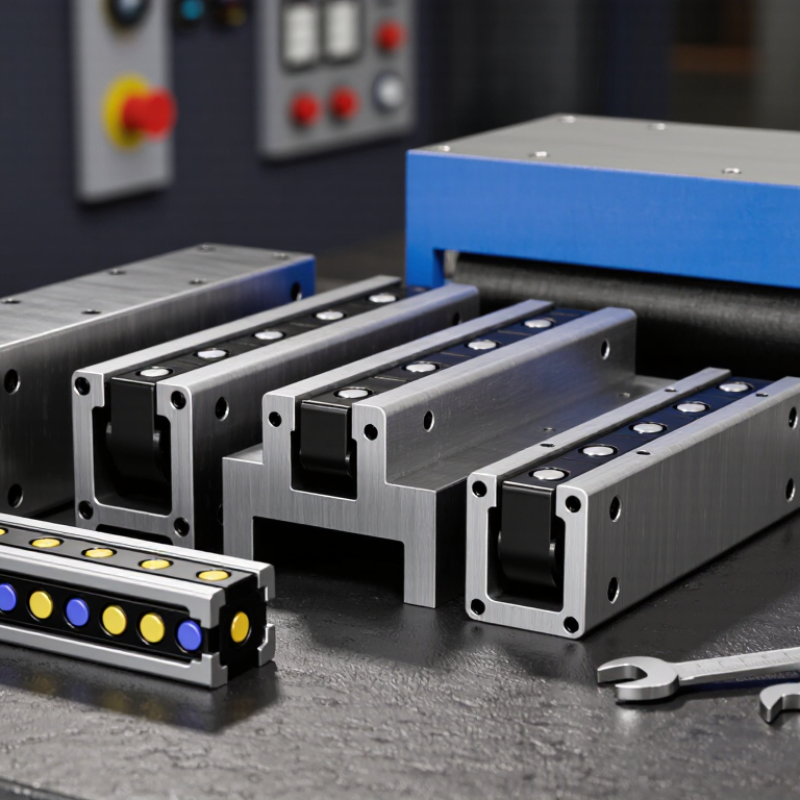
Channel Magnet Design and Core Components
A channel magnet combines a permanent magnet with a steel channel that directs magnetic flux toward its working face. Common core components include the magnet block, steel backer, pole faces, protective coating, and mounting hardware. Ferrite suits cost-sensitive, corrosion-aware designs; neodymium magnets can provide stronger attraction in compact assemblies. The right choice depends on temperature, available space, and the load—not on magnet strength alone.
The steel channel supports the magnet and helps concentrate flux at the poles. Its thickness, shape, and contact with the magnet affect performance. Small gaps matter. Paint, rust, or a rough mating surface can reduce holding force, while sideways loads may cause sliding even when a pull test looks strong. Specify the working air gap, substrate thickness, and load direction, then test the complete assembly on the actual steel surface.
Material supply is another design consideration. The USGS Mineral Commodity Summaries 2024 estimates global rare-earth mine production at 350,000 metric tons in 2023, up from 300,000 in 2022. That figure is not a magnet-production measure, but it illustrates why material selection and sourcing deserve attention. A neat drawing can still hide a weak interface. Verify coating durability, fastening method, and operating temperature with practical trials; calculated holding force alone is an imperfect guide.