Top 10 Shot Blasting Tools Suppliers Worldwide
Shot Blasting Tools are often judged by their headline specifications. In practice, nozzle wear, abrasive flow, dust control, and operator comfort shape daily performance. A useful supplier comparison must therefore look beyond price and catalogue claims. It should examine equipment suitability, documented testing, spare-parts access, and support for the materials being cleaned.
The scale of the problem is significant. The NACE International IMPACT study estimated that corrosion costs the global economy US$2.5 trillion annually, or about 3.4% of global GDP. That figure is not a measure of blasting-equipment sales. It does, however, show why dependable surface preparation matters to asset owners. Grand View Research’s market reports also track demand across industrial equipment sectors, offering useful context for buyers assessing supplier reach and market direction. Market estimates can vary by scope, so comparisons deserve caution.
Details matter. Dust tells a story. W. Edwards Deming, a quality-management expert, wrote, “Quality is everyone’s responsibility.” Applied to Shot Blasting Tools, that principle means evaluating not only the machine, but also its setup, maintenance, and the people who operate it. This guide examines ten suppliers worldwide through practical criteria, including product range, technical documentation, service coverage, and evidence of performance. A ranking cannot replace an application trial. It can help buyers ask sharper questions before a purchase.
What Shot Blasting Tools Are and How They Work
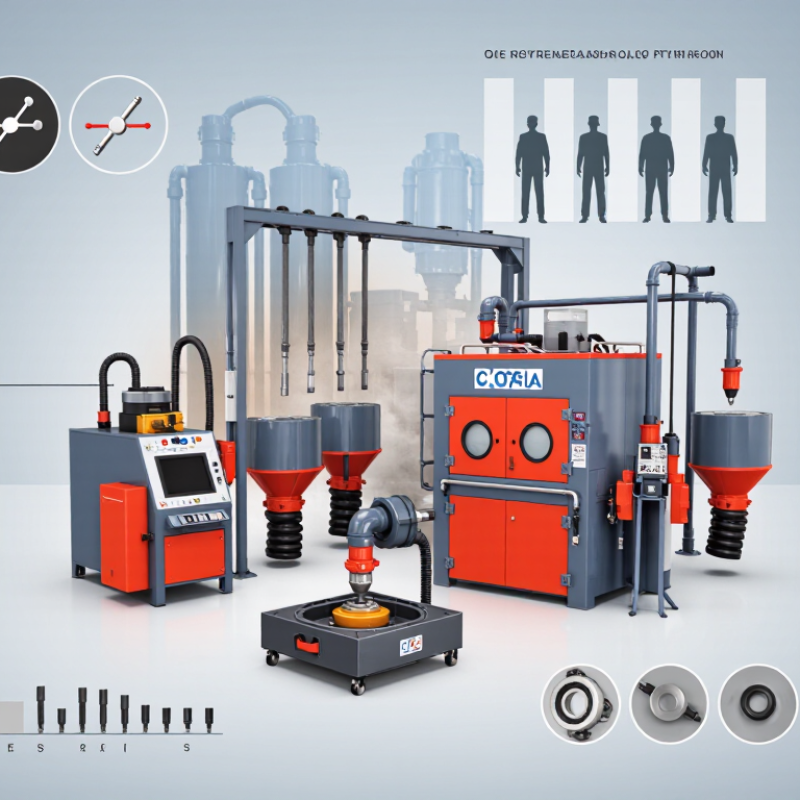
Shot blasting tools propel abrasive media at high speed to clean, texture, or remove scale from a surface. A typical system combines a blast wheel or compressed-air nozzle, abrasive, a work chamber, and dust collection. Wheel machines use rotating blades to throw media; air-blast systems use compressed air through a nozzle. The choice depends on the part’s size, shape, material, and required finish. A nozzle can reach a narrow weld seam, while a wheel machine handles repetitive work on larger parts.
The result depends on more than pressure or wheel speed. Abrasive size, shape, feed rate, distance, and angle all affect the surface profile. Operators check the cleaned steel under suitable lighting and use profile gauges when coating specifications require a measured anchor pattern. Small adjustments matter. A useful safety benchmark comes from OSHA’s respirable crystalline silica standard: the permissible exposure limit is 50 micrograms per cubic meter as an eight-hour time-weighted average. This is one reason enclosed equipment, effective dust extraction, and appropriate respiratory protection matter. Media selection also deserves care; a harder abrasive may cut faster, but can damage delicate parts or create an overly rough profile. Even experienced teams sometimes need a test pass first. That step is easy to skip.
How to Evaluate Shot Blasting Tool Suppliers
How to Evaluate Shot Blasting Tool Suppliers
A supplier’s catalog rarely shows how equipment performs on a real job. Check whether the team can match nozzle size, abrasive flow, and air demand to your parts and production rate. Ask for measured output, operating pressure, media consumption, and expected wear life. Then compare these figures under the same test conditions. A short trial on a representative workpiece can reveal uneven coverage, excessive dust, or awkward handling. Small details matter.
The NACE IMPACT study estimated corrosion costs at US$2.5 trillion globally, about 3.4% of world GDP, and reported that effective corrosion management could save 15–35%. It does not measure blasting suppliers directly, but it shows why surface preparation deserves careful control. Ask suppliers how their tools support a specified surface-cleanliness grade, and request inspection records or test results. Also check spare-part availability, maintenance instructions, operator training, and response times. Promises are easy. Evidence is better. I would still question any performance claim without a clear test method.
Tips: Compare total operating cost, not purchase price alone. Request a sample blast, inspect the finish under consistent lighting, and record abrasive use and cycle time. Keep the test simple. A rushed comparison can mislead.
Top 10 Shot Blasting Tools Suppliers Worldwide — How to Evaluate Suppliers
Suggested evaluation weighting (%) for comparing suppliers. These are recommended criteria, not measured supplier rankings or market data.
Prioritize performance, quality control, and equipment suitability; adjust the weighting to match your application, production volume, and safety requirements.
Top Shot Blasting Tool Suppliers Around the World
Top shot blasting tool suppliers around the world serve foundries, fabrication shops, shipyards, and maintenance teams. Their product ranges may include blast cabinets, pressure vessels, nozzles, abrasive recovery units, and dust collection equipment. Suppliers across Europe, North America, and East Asia often support different production scales, from small repair benches to automated lines. Regional availability matters: replacement nozzles and seals should arrive before a worn part interrupts a shift.
Fit matters.
Tips: Compare working pressure, air consumption, cabinet dimensions, and abrasive compatibility. Ask for technical documents and spare-part lead times. Test it first. A short trial with your actual workpiece can reveal poor visibility, uneven coverage, or awkward access that a brochure cannot show.
A dependable supplier explains setup limits and recommends suitable equipment without promising perfect results. Check whether service staff can troubleshoot airflow loss, clogged media lines, or excessive dust. A low purchase price may hide costly upkeep, but premium equipment is not automatically the best choice. Even careful comparisons can miss differences in local service and shipping. Revisit your needs as production changes; the right setup for a few parts daily may struggle with a full shift of heavy components.
Products and Industries Served by Leading Suppliers
Leading shot blasting suppliers serve different production needs, not just sell machines. Common products include wheel blast cabinets for small castings, conveyor systems for repeat parts, and pressure blast rooms for large steel sections. Many systems add abrasive recovery and dust collection. NACE International’s 2016 IMPACT study estimated corrosion costs at $2.5 trillion, or 3.4% of global GDP, using 2013 data. That figure shows why surface preparation matters across asset-intensive industries.
Foundries often need robust tumbling or hanger systems to clean castings and remove scale. Automotive plants favor automated lines that handle repeated components at steady speeds. Shipyards, construction firms, and pipeline contractors may need portable equipment for large, immovable surfaces. Aerospace work calls for tighter process control and careful media selection. The right setup depends on part geometry, finish requirements, production volume, and available floor space. A supplier’s catalog can look complete, yet still miss the constraints of a real workshop.
Tips: Ask for a trial using your actual parts. Check dust extraction, abrasive recovery, and maintenance access before comparing purchase prices. Record surface results. Small details can change operating costs.
How to Choose a Supplier for Your Project Needs
Choosing among the top shot blasting tool suppliers worldwide starts with your part, not the catalog. Define the largest workpiece, required surface cleanliness, production rate, and available floor space. A supplier should explain how wheel speed, abrasive type, and machine layout affect the finish. Ask for a trial using your own components. Inspect edges, recesses, and welds—not just the broad, flat surfaces. Ask for evidence.
The NACE International IMPACT study estimated the annual global cost of corrosion at US$2.5 trillion, or 3.4% of global GDP. It also reported that improved corrosion management could save 15–35%. This is not a blasting-specific saving, but it underscores why surface preparation deserves careful control. Request sample inspection records, surface-profile measurements, and clear guidance on abrasive replacement and dust collection. Check whether the supplier can provide spare parts and service within your required response time.
Tips: Compare quoted throughput under the same part size and finish requirements. Confirm energy use, noise levels, operator training, and extraction-system capacity. Ask for acceptance criteria in writing, including how surface cleanliness will be checked against ISO 8501-1. A polished demonstration may hide awkward loading or frequent maintenance. I would still leave room for uncertainty: real production parts can behave differently from test coupons.
