
Top 10 Laser Quenching Machine Manufacturers Worldwide
Laser quenching has become a practical option for hardening selected steel surfaces while limiting heat exposure elsewhere on a component. A Laser Quenching Machine uses a controlled beam to heat a defined area, then relies on the surrounding material to draw heat away rapidly. The result can be a hardened surface with limited distortion, though outcomes depend on the material and process settings. This is useful for gears, shafts, molds, and other parts exposed to repeated wear. Details matter. Laser power, beam shape, scanning speed, and cooling behavior can all affect the final hardness and treatment depth. A machine’s headline specifications alone do not guarantee consistent production results.
This overview of the top 10 manufacturers worldwide gives readers a starting point for comparing suppliers, rather than treating any ranking as a universal verdict. It considers practical factors such as process control, automation options, application support, service access, and the ability to tailor equipment to different part geometries. Manufacturer claims should be checked against technical documentation, application examples, and, where possible, sample trials on the intended material. Some published information may be incomplete or difficult to compare directly. That is worth acknowledging. A system suited to high-volume automotive components may not fit a small workshop or a specialist repair line. Buyers should define their parts, throughput, quality targets, and available floor space before requesting proposals. The best choice is not always the most powerful machine; it is the one that reliably meets the actual process requirements.
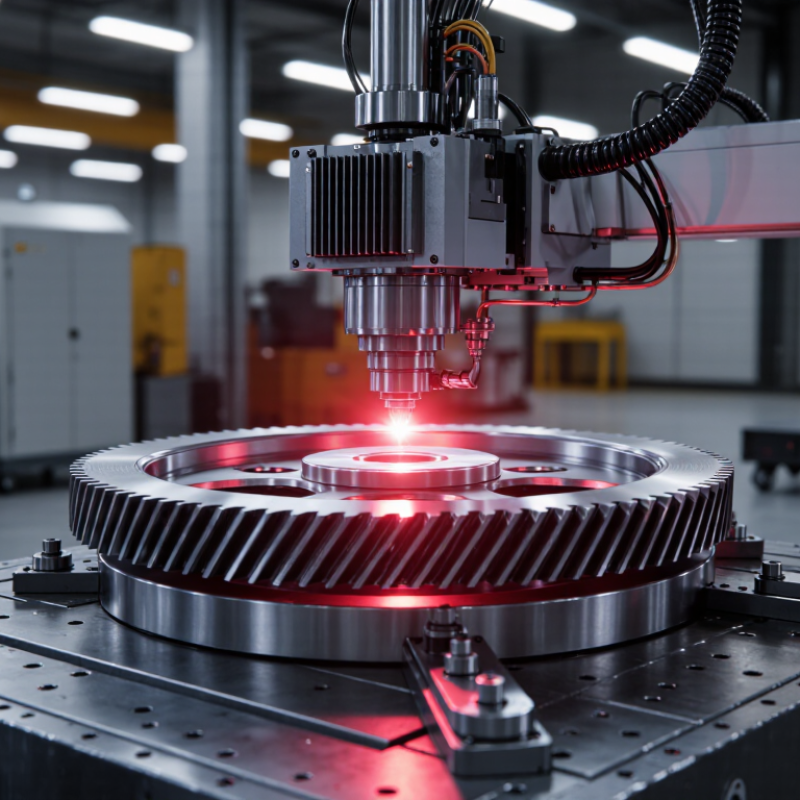
Laser Quenching Machines: Core Technology and Industrial Applications
Laser quenching uses a focused beam to heat a metal surface above its transformation temperature. The part then cools as heat flows into the surrounding material, forming a harder surface layer. Unlike furnace treatment, the process can target narrow zones, such as gear teeth, shaft journals, or guide rails. This precision can reduce distortion and avoid treating areas that do not need extra wear resistance.
Machine performance depends on more than laser power. Beam shape, scanning speed, spot size, and material composition all affect case depth and hardness. Sensors and control software help keep energy delivery steady as part geometry changes. In production, technicians often verify results with hardness tests and cross-section measurements; a clean-looking surface alone proves little. Results still vary with setup, and some parts need repeated trials. That can be frustrating, but it provides useful evidence.
Tips: Clean oil and scale from the treatment zone before processing. Confirm focus and scanning speed on a representative sample. Record the settings, then inspect hardness and distortion after cooling. Don’t assume one recipe fits every alloy. Even small changes matter.