10 Tips for Choosing the Best Portable Milk Frother
A good cup of foam begins with a tool that suits your routine. A Portable Milk Frother can turn cold milk into a creamy topping at home, at work, or in a hotel room. Yet a low price or sleek handle does not guarantee useful performance. Small differences matter: whisk shape, motor strength, battery life, and how easily the head rinses clean.
Coffee educator James Hoffmann is associated with a useful guiding idea: “The best coffee is the coffee you enjoy.” That principle fits frothers, too. The right choice depends on your preferred drinks, the milk you use, and how much cleanup you will tolerate. For this guide, we compare practical details rather than relying on glossy claims. Consider whether the frother handles both warm and cold milk, feels balanced in your hand, and fits beside your travel mug. Listen for motor noise. Check whether replacement whisk heads are available. Tiny details, big difference.
Some trade-offs are easy to miss. A powerful motor may create foam quickly, but it can also splash milk if the cup is shallow. A compact design packs neatly, though its grip may feel awkward during daily use. And rechargeable models reduce battery waste, but only if charging stays convenient. There is no perfect pick for everyone; even careful comparisons can overlook how a device feels after weeks of use. The following ten tips will help you weigh comfort, consistency, durability, and value before choosing your next Portable Milk Frother. Don’t rush the choice.
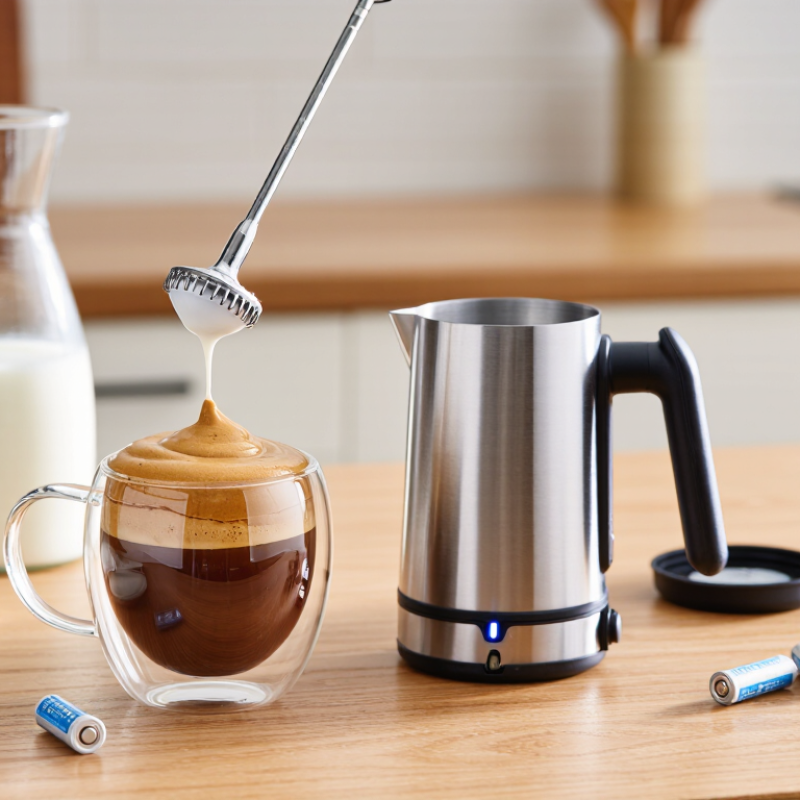
Define Your Drink Needs and Cup Size Before Comparing Frothers
Before comparing portable milk frothers, decide what you plan to make most often. A small latte needs a modest amount of foam, while a wide mug of cocoa may need more mixing room. Matcha and powdered drinks also need a whisk that can reach the bottom without scraping the cup. Keep it specific.
Cup size matters as much as drink type. Measure the inside depth of your usual mug, then check the frother’s shaft length and whisk-head clearance. A short shaft can leave milk unmixed at the bottom. A large whisk in a narrow cup can send milk over the rim. Leave space above the liquid; foam rises quickly, especially in a small cup. I would not choose a model based on a photo alone—the proportions can be hard to judge.
Think about where you’ll use it, too. A tall travel cup may need a longer shaft, while a small kitchen cup is easier to control with a compact whisk. Portable frothers usually mix or aerate; they do not heat milk. You’ll need to warm it separately if you want a hot drink. For cold foam, check that the instructions allow cold milk. One detail is easy to overlook: the cup’s shape. A narrow base can make it harder to reach all the liquid, even when the frother seems powerful enough.
Compare Whisk Speed and Power Using Published Manufacturer Ratings
When comparing portable milk frothers, start with the manufacturer’s published whisk speed, usually listed in revolutions per minute. A higher RPM can indicate faster rotation, but it does not guarantee thicker foam. Whisk shape, shaft length, and how much air the whisk draws into milk also affect results. Numbers need context. Compare ratings only when they describe the same type of measurement and operating condition.
Check published power ratings alongside speed, but treat watts as a clue, not a performance score. Battery voltage, motor design, and charge level can change how a frother behaves in a cup. That matters. Look for clear specifications, such as rated speed and power, rather than vague claims like “extra strong.” If one device lists RPM and another only lists wattage, the figures do not make a fair head-to-head comparison. A small caveat: manufacturer ratings are useful, yet they may not reflect performance in cold milk or a nearly full mug. I would note those gaps instead of guessing. If possible, compare the same milk volume and temperature during a brief hands-on test, and watch whether the motor slows as the whisk meets resistance.
Check Plastic Parts for FDA Food-Contact Compliance Under 21 CFR 177
A portable milk frother can have small plastic parts that touch milk, such as a shaft collar or splash guard. Check the exact material, not just the product’s overall description. Under 21 CFR 177, certain polymers may be used in food-contact applications when they meet specific requirements. It is not a blanket approval for every plastic part. Ask the seller or manufacturer for documentation identifying the resin and the applicable section, plus any limits on temperature or use. Hot milk matters. A vague “food-safe” claim may not explain those conditions.
Look closely at parts near the whisk head, where warm milk can collect. A brief rinse may not reach a narrow seam. Written compliance information is more useful than a generic symbol on packaging. Still, paperwork can be hard to interpret, and shoppers cannot confirm a polymer by sight alone. If the documentation does not clearly cover the part’s intended contact and cleaning conditions, ask for clarification before buying. Check the manual for washing guidance, too; a dishwasher-safe claim should not be assumed from food-contact compliance. Scratches and loose seams deserve attention. I have found that tiny details are easy to overlook.
10 Tips for Choosing the Best Portable Milk Frother
Use this checklist to compare portable frothers, paying particular attention to plastic parts that contact milk.
Compliance note: 21 CFR Part 177 covers specific polymers and their permitted conditions of use; it is not a blanket approval for every plastic part. Ask for documentation identifying the exact food-contact material and applicable regulation, and confirm that the intended food type and use conditions are covered. The chart numbers show checklist order, not ratings or test results.
Match Milk-Heating Features to the SCA’s 55–65°C Texturing Range
When comparing portable milk frothers, treat heating control as a brewing feature, not a bonus. The Specialty Coffee Association’s milk-texturing guidance gives 55–65°C (131–149°F) as a useful target range. A thermometer beats guesswork. Milk heated beyond this range can lose sweetness and develop a flatter taste; milk that is too cool may produce thin foam. Small details matter.
Tip: Choose a frother with adjustable heat or a clear shutoff near 60°C, the midpoint of the SCA range. Check whether it measures milk temperature or simply cycles its heater. Test a small amount with a probe thermometer; foam can conceal hot spots. For instance, a cup may feel warm outside while the milk inside is already hotter than expected.
Portable frothers vary: some heat milk, while others only aerate milk heated separately. That difference is easy to miss in product listings. Touch alone is unreliable. SCA’s range is a practical guide, not a guarantee that every milk type will foam identically. Plant-based drinks can behave differently, so test your usual milk and note the temperature that produces fine, glossy bubbles.
