Choosing radiation-shielding glass is a safety decision, not just a purchasing task. A clear viewing panel must also match the room’s design and intended use. Details matter.
NCRP Report No. 147, Structural Shielding Design for Medical X-Ray Imaging Facilities, explains that shielding needs depend on factors such as workload, equipment, and occupancy. The IAEA’s Safety Reports Series No. 47 likewise treats shielding as a facility-specific design problem. Neither report is a supplier ranking. That distinction matters: a polished brochure cannot replace project-specific technical evidence.
A Best Lead Glasses Supplier should provide traceable product specifications, applicable test documentation, and clear guidance on thickness and viewing dimensions. Ask how the stated lead equivalence was established, and whether it applies to the exact glass configuration you plan to buy. Check that quotations identify the product, dimensions, and performance claims—not simply “lead glass.” Then compare delivery, installation support, and after-sales service. A missing detail can slow a project. It can also create costly rework.
This guide offers seven practical checks for comparing suppliers, from technical documentation to communication and quality control. Some buyers focus too heavily on price; I have seen that choice leave basic questions unanswered. A careful review takes longer. Still, it is the more dependable place to start.
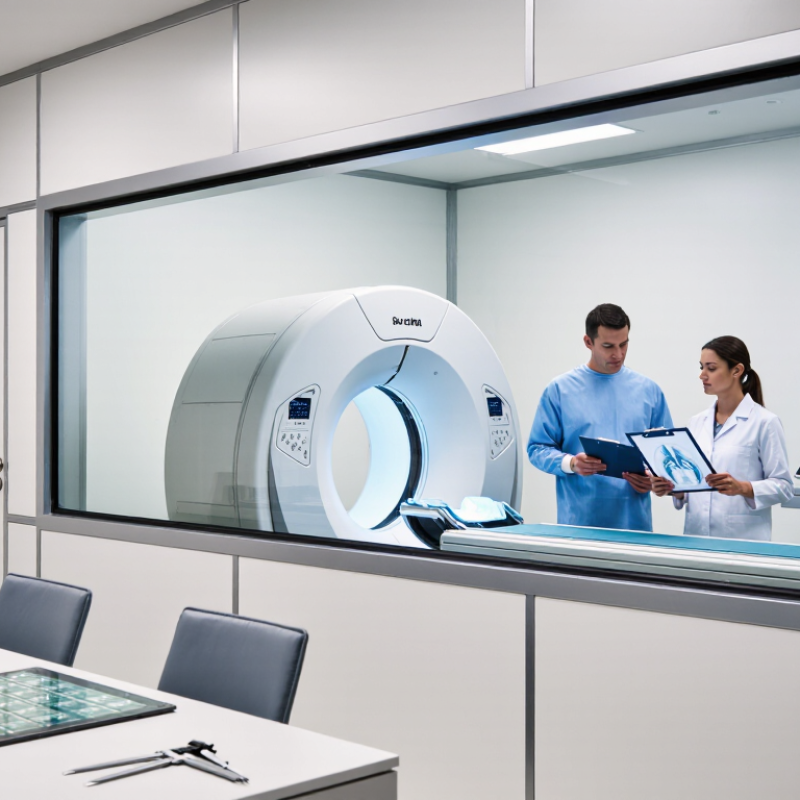
Tip: Define the intended X-ray use before comparing suppliers. A room for general radiography may need a different lead-equivalence rating from a room used for higher-energy imaging. Specify the required protection in mm Pb, based on your facility’s design and advice from a qualified radiation-protection professional. There is no single value that fits every installation.
Tips: Ask what beam quality and test method support the stated mm Pb value. Lead equivalence describes shielding performance, not simply the glass thickness. Request a test report that identifies the rating and its conditions. This detail matters. A number without context is difficult to compare. It is easy to focus on a neat specification and miss the assumptions behind it.
Check that the supplier can provide documentation for the exact glass configuration you plan to buy. Ask about panel size, edge finish, and how the glass will fit its frame; gaps or poor installation can affect protection. Compare documentation, not just sales descriptions. If a requirement is unclear, pause and confirm it with your radiation-safety adviser before ordering. That extra conversation can feel slow, but changing a panel later is usually more disruptive.
A lead glass rating is useful only when its test conditions are clear. Compare 1.5, 2.0, and 2.5 mm Pb ratings at the same tube voltage, then check whether the supplier used the same testing method and beam conditions. Tube voltage matters, but filtration and measurement geometry can affect reported attenuation too. Ask for a test report, not just a line in a product sheet. Small details count.
The 1.5 mm Pb option may reduce weight and improve handling, while 2.0 or 2.5 mm Pb may provide greater attenuation under the stated test conditions. More is not automatically better. A thicker pane can be heavier and may need stronger support. Check the glass dimensions, viewing area, edge protection, and frame design. Inspect optical clarity as well; distortion near the edges can make routine viewing uncomfortable. I would not treat one rating as the whole answer. It is an easy mistake to make. Match the documented rating to your equipment and use case, and ask the supplier to clarify any missing test details before comparing prices.
| Supplier-check tip | 1.5 mm Pb rating | 2.0 mm Pb rating | 2.5 mm Pb rating |
|---|---|---|---|
| 1. Compare ratings at the same tube voltage | Confirm the declared lead equivalence and the tube voltage (kVp) used for testing. | Compare only with ratings tested at the same stated kVp and under a comparable method. | Use the same check; a rating at a different kVp is not a direct like-for-like comparison. |
| 2. Check the documentation | Request a test report or product documentation identifying the glass, rated area, and test conditions. | Verify that the stated equivalence applies to the supplied product configuration. | Ask for the same supporting evidence; do not rely on a rating stated without its test basis. |
| 3. Compare protection needs | Lower of these three stated Pb-equivalence ratings. | Higher stated Pb equivalence than 1.5 mm Pb, when assessed on the same basis. | Highest stated Pb equivalence of these three, when assessed on the same basis. |
| 4. Ask about image visibility | Request visible-light transmission and optical-quality information for the exact product. | Compare the same optical data; Pb equivalence alone does not specify brightness or clarity. | Check optical data and suitability for the viewing task rather than assuming performance from the Pb rating. |
| 5. Confirm size and installation details | Check required viewing dimensions, overall thickness, edge finish, and frame compatibility. | Confirm the offered panel dimensions and installation requirements for the selected configuration. | Verify dimensions and mounting details; the Pb-equivalence rating alone does not define panel size. |
| 6. Review application and local requirements | Have the responsible radiation-safety professional confirm suitability for the room and workload. | Check against the applicable local regulations and the facility’s shielding design. | Do not select solely by choosing the largest rating; confirm the required protection with the project’s qualified adviser. |
| 7. Compare the complete offer | Compare documented rating, dimensions, optical data, warranty, delivery, and inspection provisions. | Use the same checklist and request written confirmation of the supplied specification. | Compare the same items; a higher Pb-equivalence claim does not by itself establish overall product quality. |
Important: Lead equivalence is specific to the stated test conditions, including radiation quality or tube voltage. The three ratings above are comparison categories, not guaranteed transmission percentages. Request test documentation for the exact product and have shielding requirements confirmed by a qualified radiation-safety professional.
A lead glass attenuation report is only useful when its test conditions match your intended application. Ask for the complete report, not a sales chart. It should identify the tested glass, measured thickness, radiation quality, method, and reported attenuation or lead-equivalence result. Check that the document cites IEC 61331-1:2014, the edition named in your request.
Details matter. Attenuation changes with beam energy and glass thickness, so a result without those conditions is hard to compare fairly. Check whether the tested sample can be traced to the glass being quoted, and look for the laboratory name, test date, and measurement uncertainty. A laboratory’s accreditation can add confidence, but confirm that its scope covers the relevant testing. Small print, often overlooked.
Compare reports only when their test conditions are sufficiently similar. A higher lead-equivalence figure does not automatically mean better performance under every imaging setup. If a supplier provides only a summary, ask for the underlying report and clarification of any unfamiliar terms. One imperfect report may still be informative, but gaps should prompt questions, not assumptions. A careful review now can prevent costly mismatches between specification and installed glass.
Choosing lead glass requires more than comparing quoted thicknesses. Match the glass thickness to the shielding requirement and the size of the viewing panel. A thicker sheet may provide greater attenuation, but it also adds weight and can complicate installation. Ask for test data that identifies the product’s measured shielding performance, not just a general description. Small details matter.
Tip: Check PbO content alongside thickness. Lead oxide content helps describe the glass composition, but it does not independently guarantee a specific shielding result. Ask whether the supplier can provide a technical datasheet and explain how the stated values were measured. Compare documents using the same units and test conditions. If details are missing, pause and ask.
Visible-light transmission affects how clearly staff can see through the panel. Request the transmission value and, when possible, inspect a sample under the lighting used in the room. A sample may look clear near a window but seem darker under artificial light. Check for tint, haze, and reflections at different angles. I once focused too much on a single specification; the installed view felt dimmer than expected. Room lighting deserves a closer look.
Ask for the panel drawing before requesting a quote. Confirm thickness, width, height, edge finish, and permitted tolerances in writing. Small differences matter. Check how the supplier measures each dimension, and whether its instruments are calibrated. A handheld caliper may not suit every panel; measurement method matters. Request inspection results for the actual production batch, not only a sample.
Confirm the stated lead equivalence and visible-light transmission match your project specifications. Ask whether results come from testing or documented calculations, and request the relevant report. Then verify batch traceability: each panel should link to its material records, inspection results, and shipment documents. A clear label on the crate helps preserve that link after delivery. Check how nonconforming panels are isolated and corrected. One awkward truth: paperwork can look complete while a batch number is missing from the glass itself.
Review supplier quality controls, including incoming inspection, final checks, calibration records, and corrective-action procedures. ISO’s 2022 Survey of Management System Standard Certifications recorded 1,265,216 valid ISO 9001 certificates worldwide. That figure shows how widely quality systems are used; it does not certify a particular panel or guarantee dimensional accuracy. Ask for recent, anonymized inspection records and confirm the acceptance criteria match your drawing. If a tolerance is unclear, resolve it before production. The extra email is not elegant, but it can prevent a costly mismatch.
MSIRobot