Top Tips for Choosing the Best Ceiling Board for Your Needs?
Choosing the right Ceiling Board for your space is crucial. This decision affects aesthetics, insulation, and acoustics. With numerous options on the market, it’s essential to understand what you need. A suitable Ceiling Board can enhance your home's atmosphere while providing practical benefits.
Consider your environment before making a choice. Different materials offer various levels of durability and maintenance. For instance, a moisture-resistant Ceiling Board is ideal for bathrooms or kitchens. Yet, some boards may be more prone to damage, requiring frequent replacements.
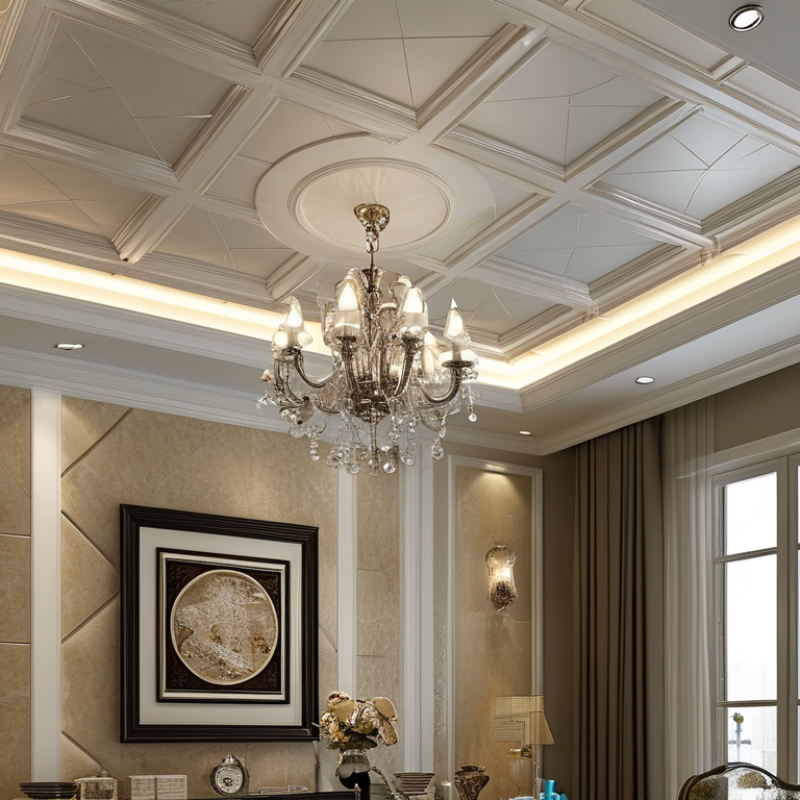
Reflect on your design goals, too. Do you prefer a modern look or a classic feel? The right Ceiling Board can transform a plain room into a stylish haven. However, be aware that with many options comes potential confusion. Take your time to research and consult experts. Their insights can guide you toward the best fit for your needs.
Understanding Different Types of Ceiling Boards Available in the Market
Choosing the right ceiling board can be a daunting task. Various types exist, each catering to different needs. The main options include gypsum boards, acoustic tiles, and PVC panels. Gypsum boards are popular for their fire resistance and durability. They provide a smooth finish, ideal for painting. However, they can be heavy, making installation a challenge.
Acoustic tiles are often favored for sound absorption. They come in various designs and are lightweight. These tiles are suitable for spaces like offices where noise reduction is essential. Yet, some may find them less appealing aesthetically. PVC panels are another option, resistant to moisture and easy to clean. They're often used in kitchens and bathrooms. Unfortunately, they may not provide the same insulation as other materials.
Understanding your space is crucial. Each type of board has strengths and weaknesses. Consider factors like moisture, sound, and aesthetics. Do not rush your decision; take time to assess your needs. This will help you avoid costly mistakes and ensure lasting satisfaction.
Factors to Consider When Choosing Ceiling Board Material
Choosing ceiling board material involves several important factors. The material's durability is crucial. A study by the National Institute of Standards and Technology indicates that moisture-resistant materials last longer in humid environments. Opting for such materials minimizes issues like mold and warping.
Additionally, insulation properties can impact energy efficiency. Ceiling boards with high insulation ratings can reduce heating and cooling costs significantly. According to the U.S. Department of Energy, well-insulated ceilings can save homeowners up to $20% on their energy bills. This makes insulation a vital consideration for cost-conscious consumers.
Aesthetic appeal is another factor. The design and texture of a ceiling board affect the overall ambience of a room. Whether it’s a smooth finish or a textured look, choices vary widely. Engaging with local suppliers can provide insights into trending styles. Many consumers overlook this aspect and regret it later. Choosing the right ceiling board is not just about functionality; it's about creating a space that feels right.
Evaluating Aesthetic and Functional Aspects of Ceiling Boards
When considering ceiling boards, aesthetics and functionality are intertwined. The right choice can elevate a room's design while serving practical needs. Opting for textures and colors that complement your space can create a cohesive look. For example, a sleek white finish can make a room feel modern and airy. In contrast, textured boards like wood or stone can add warmth and character.
However, the function of ceiling boards should not be overlooked. Acoustic properties are crucial for minimizing noise within a space. Boards designed for sound absorption can enhance the comfort of busy environments like offices or dining areas. It's essential to weigh these acoustic benefits against visual appeal. A stunning design might compromise functionality if it doesn't address sound issues.
Budget constraints often introduce challenges. Sometimes, the most visually appealing options may fall outside your price range. It's vital to balance aesthetics with practical considerations. Choosing between a beautiful design and durable material can be tough. Regularly reflecting on your choices can lead to better long-term satisfaction. Ultimately, consider how each board will meet both your aesthetic desires and functional needs.
Top Tips for Choosing the Best Ceiling Board for Your Needs
| Aspect | Description | Material Type | Aesthetic Appeal | Functionality |
| Acoustic Performance | Reduces sound reverberation | Mineral Fiber | Soft texture, muted colors | Ideal for offices and schools |
| Water Resistance | Resistant to moisture damage | PVC | Glossy finish, modern design | Perfect for bathrooms, kitchens |
| Fire Resistance | Helps prevent fire spread | Gypsum Board | Smooth, clean look | Essential for safety regulations |
| Thermal Insulation | Helps regulate temperature | Wood | Natural, warm appearance | Good for energy efficiency |
Assessing Cost, Durability, and Maintenance Requirements
Choosing the right ceiling board for your space involves careful consideration of cost, durability, and maintenance. When assessing cost, think about the long-term investment rather than just the initial price. A less expensive option might save money upfront, but could lead to costly repairs down the line. Look for materials that match your budget and offer good value for stability and lifespan.
Durability is crucial. For high-moisture areas, like bathrooms, choose boards resistant to mold and water damage. Not all boards offer the same level of resilience. Consider how different materials perform under stress. This can impact your choice significantly. Researching various options will give you a clearer understanding of what truly lasts.
Maintenance is another key factor. Some ceiling boards require frequent upkeep, while others are designed for low maintenance. If you prefer easy care, opt for materials that resist dust and stains. Reflect on what fits best with your lifestyle. Remember that regular maintenance can be overlooked but is vital for longevity. This awareness can lead you to a choice that works for your needs without unnecessary frustration.
Comparison of Ceiling Board Types: Cost, Durability, and Maintenance
Tips for Installation and Enhancing Ceiling Board Longevity
Choosing the right ceiling board can enhance the aesthetics of a space. However, installation and maintenance are crucial for longevity. Proper installation techniques ensure that your ceiling board remains intact over time. Always refer to manufacturer guidelines, even for common materials. Aligning the boards correctly can prevent visible seams and sagging.
Consider using moisture-resistant boards in high-humidity areas. In kitchens and bathrooms, this can prevent mold and mildew. Ventilation is also key. Ensure that the area is well-ventilated during and after installation. This aids in drying any adhesives used. For added durability, it may help to periodically check for loose sections or discoloration. Prompt repairs can extend the life of your ceiling.
Enhancing longevity often requires a bit of effort. Regular cleaning is necessary to maintain appearance. Dust and grime can accumulate over time, leading to deterioration. A gentle cleaning solution can help maintain a fresh look without damaging the board. It’s also wise to reevaluate your choice of ceiling board after a few years. Styles and materials evolve, and your needs may change as well.