Icon about-block-ico-1 Icon about-block-ico-2 Icon about-block-ico-3 Icon about-block-ico-4 Icon announcement-close Icon arrow-left Icon arrow-right Icon arrow-sm Icon asterisk Icon banner-transparent-vector Icon btn-callback-ico Icon careers-item-location Icon careers-item-time Icon careers-item-type Icon careers-mail-ico Icon careers-phone-ico Icon careers-search-ico Icon careers-single-hero-vector Icon careers-single-more-vector Icon careers-vector Icon check Icon close Icon dfm-image-left-vector Icon dfm-image-right-vector Icon document Icon download-popup-vector Icon dropdown Icon envelope Icon facebook Icon faq-banner-bg Icon faq-title-ico-active Icon faq-title-ico Icon featured-links-block-bg Icon figure-1 Icon figure-10 Icon figure-11 Icon figure-12 Icon figure-13 Icon figure-14 Icon figure-15 Icon figure-2 Icon figure-3 Icon figure-4 Icon figure-5 Icon figure-6 Icon figure-7 Icon figure-8 Icon figure-9 Icon file-upload Icon form-sidebar-back Icon form-step-done Icon gmap-marker-group-icon Icon gmap-marker-icon Icon header-profile-ico Icon instagram Icon link Icon linkedin Icon loader Icon mail Icon phone Icon play-yt Icon play Icon post-nav-arr-left Icon quote-banner-vector Icon quote-block-aside-vector Icon quote-contact-phone-ico Icon quote-contact-position-ico Icon sidebar-location Icon sidebar-phone Icon technology-banner-nav-left-vector Icon technology-banner-nav-right-vector Icon twitter Icon webinar-item-date-vector Icon whitepaper-img-ico-left Icon whitepaper-img-ico-right Icon whitepapers-listing-banner-ico Icon whitepapers-single-aside-vector Icon youtube Icon yt-play-button

Best Tips for Choosing Battery Manufacturing Equipment?

In the rapidly evolving world of Battery Manufacturing Equipment, making informed choices is crucial. Industry expert Dr. Emily Carter, a leading authority in battery technology, emphasizes, "The right equipment can significantly boost efficiency and quality." This statement underlines the importance of selecting the right tools for production lines.

Choosing Battery Manufacturing Equipment involves more than just price comparisons. Details such as production capacity, energy efficiency, and technological compatibility play vital roles. Investing in high-quality machinery can lead to better performance and longer life cycles for batteries. However, not all equipment is created equal. Some options may promise high output but lack reliability.

Moreover, the quest for the ideal equipment can be overwhelming. New advancements emerge frequently, making it essential to stay updated. Understanding these aspects will help manufacturers navigate this complex landscape. With the right guidance, businesses can align their operational needs with available technology effectively.
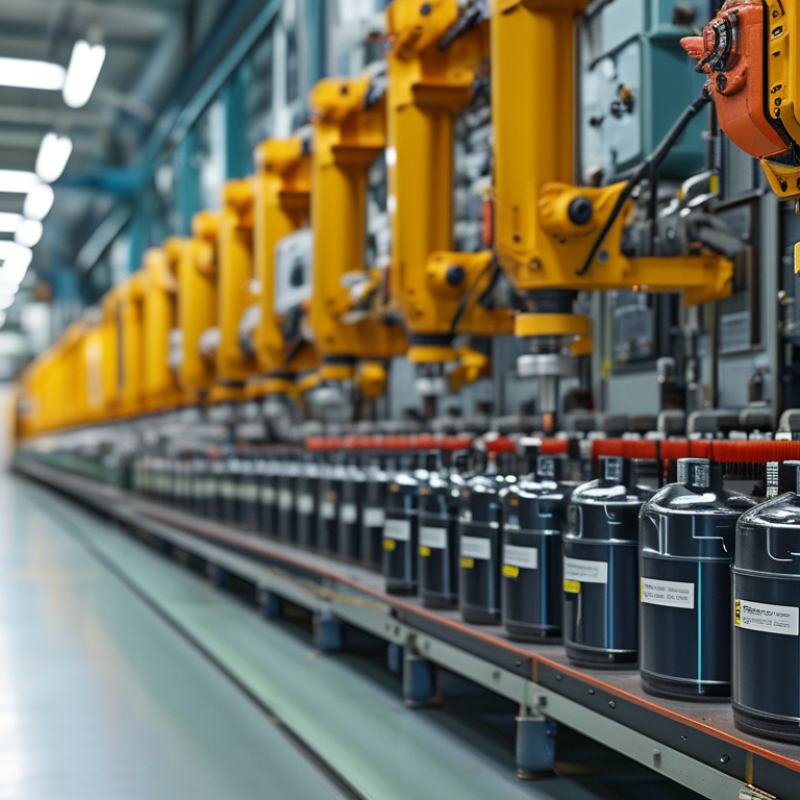
Best Tips for Choosing Battery Manufacturing Equipment?

Key Considerations for Battery Manufacturing Equipment Selection

When selecting battery manufacturing equipment, key considerations come into play. Understanding production capacity is critical. You need to gauge how much output your facility can handle. This will influence your choice of equipment significantly. It’s also vital to consider automation levels. High automation can improve efficiency but may require larger initial investment.

Tips for equipment selection include focusing on energy efficiency. Devices with lower energy consumption can reduce operational costs. Quality control features should also be prioritized. They help ensure that the batteries produced meet safety standards. This not only enhances product reliability but also minimizes waste.

Another important aspect is scalability. Your equipment should accommodate future production increases without massive overhauls. Flexibility in equipment can be a vital asset. However, balancing cost and functionality remains challenging. Each option may come with trade-offs; carefully weighing them is important. Always seek expert advice when needed, but also trust your intuition.

Understanding Different Types of Battery Manufacturing Equipment

When choosing battery manufacturing equipment, understanding the various types available is crucial. Current data suggests that the global battery manufacturing equipment market is expected to reach $25 billion by 2025, growing at a CAGR of 30% (Source: Market Research Reports). This surge is driven by the rapid advancement of electric vehicles (EVs) and renewable energy storage solutions.

Different types of equipment serve specific tasks in the production process. For instance, mixing machines are essential for creating electrode materials. These machines blend chemicals uniformly, which affects battery performance. Additionally, coating machines apply active materials onto substrates. The precision in this process is vital for maximizing energy density. However, not all machines deliver the same results. Some may cause inconsistencies in the final product.

Another important type of equipment is assembly machines. They align and assemble various battery components. Automated vs. manual assembly has differing impacts on efficiency and cost. As businesses grapple with scalability, the choice here can define future growth. It’s important to evaluate the long-term benefits of investing in advanced technology versus the need for immediate output. Failure to assess these considerations may lead to production inefficiencies.

Best Tips for Choosing Battery Manufacturing Equipment

Equipment Type Description Key Features Considerations
Mixing Equipment Used for mixing active materials to form a slurry. High shear mixing, adjustable speed settings, efficient dispersion. Ensure compatibility with materials, check for maintenance requirements.
Coating Machines Applies the electrode slurry on current collectors. Uniform coating, adjustable thickness, temperature control. Evaluate production speed, precision requirements, and cleanup process.
Drying Ovens Used for drying coated electrodes. Temperature uniformity, energy efficiency, timer settings. Ensure capacity meets demand, consider energy costs.
Pressing Machines Compresses coated electrodes to enhance density. Variable pressure settings, consistent results, ease of operation. Check for durability, and maintenance needs.
Winding Machines Wraps electrodes and separators into a cell configuration. High precision winding, adjustable tightness, automation capabilities. Look for compatibility with different cell formats.
Formation Equipment Initial charging of cells to form a stable capacity. Precise control of charging cycles, monitoring capabilities. Evaluate safety features and energy consumption.
Testing Equipment Tests battery performance and quality after manufacturing. Automated testing, diverse testing profiles, data logging. Consider testing speed and accuracy, integration with data systems.

Evaluating Equipment Efficiency and Production Capacity

When selecting battery manufacturing equipment, assessing efficiency and capacity is essential. Equipment that maximizes production without compromising quality is a priority. Efficient machinery can lead to reduced costs and improved output. Understanding the technology behind the equipment will help gauge its performance.

One critical tip is to analyze the metrics of energy consumption. Look for machines that provide real-time data on energy use. This can help identify inefficiencies. Moreover, production capacity should align with your business growth projections. Consider whether the equipment can scale with demand.

Another vital aspect involves examining the machinery's durability. Equipment that requires frequent repairs can disrupt production. It's worth questioning how often maintenance is needed. Sometimes, lower initial costs can lead to higher long-term expenses. Investing in reliable equipment is essential for sustainable growth.

Battery Manufacturing Equipment Efficiency and Production Capacity

Assessing Cost Factors in Battery Manufacturing Equipment Purchase

When considering battery manufacturing equipment, cost factors play a crucial role. Understanding the total cost of ownership is essential. This includes not only the initial purchase price but also the operational and maintenance expenses over time. Equipment that seems inexpensive may have hidden costs that escalate over the equipment's lifecycle. Evaluating these long-term expenses can reveal the true value of your investment.

Quality is another essential aspect of cost assessment. Low-cost equipment may compromise output quality, leading to product recalls and damaged reputation. Sometimes, opting for slightly costlier equipment delivers better performance and efficiency. This can significantly reduce downtime and increase production yield. Analyze the specifications carefully and seek expert opinions when necessary.

Budgeting for future scalability is also vital. Equipment that meets current needs may not suffice as your production grows. Purchasing versatile machinery might require a larger initial investment but pays off when you expand operations. It’s important to reflect on not just current requirements but also future demands, ensuring your purchase aligns with long-term goals. Adjusting your budget accordingly is often a difficult yet necessary task.

Importance of Compliance and Safety Standards in Equipment Choice

When selecting battery manufacturing equipment, adherence to safety standards is paramount. Compliance helps ensure equipment operates safely and efficiently. According to a report by the International Electrotechnical Commission, about 30% of manufacturing accidents arise from equipment that does not meet safety regulations. This stark statistic highlights the necessity for rigorous compliance.

Choosing equipment that aligns with safety guidelines can reduce risks and improve productivity. For instance, equipment that isn’t compliant may not have proper safety interlocks. This could lead to accidents that cause injury or damage to facilities. Furthermore, OSHA mandates strict adherence to safety protocols to prevent workplace hazards. Non-compliance can result in hefty fines and operational shutdowns, crippling a company's success.

Safety certifications also enhance a manufacturer's reputation. Companies that prioritize safety often see an increase in customer trust. Reports indicate that businesses with a strong safety record boost their bottom line by 20%. Despite this, many manufacturers fail to prioritize safety. They overlook compliance as a cost-cutting measure. This can lead to severe long-term consequences. Investing in compliant equipment is not just a regulatory task; it's a commitment to quality and safety.

MSIRobot