Icon about-block-ico-1 Icon about-block-ico-2 Icon about-block-ico-3 Icon about-block-ico-4 Icon announcement-close Icon arrow-left Icon arrow-right Icon arrow-sm Icon asterisk Icon banner-transparent-vector Icon btn-callback-ico Icon careers-item-location Icon careers-item-time Icon careers-item-type Icon careers-mail-ico Icon careers-phone-ico Icon careers-search-ico Icon careers-single-hero-vector Icon careers-single-more-vector Icon careers-vector Icon check Icon close Icon dfm-image-left-vector Icon dfm-image-right-vector Icon document Icon download-popup-vector Icon dropdown Icon envelope Icon facebook Icon faq-banner-bg Icon faq-title-ico-active Icon faq-title-ico Icon featured-links-block-bg Icon figure-1 Icon figure-10 Icon figure-11 Icon figure-12 Icon figure-13 Icon figure-14 Icon figure-15 Icon figure-2 Icon figure-3 Icon figure-4 Icon figure-5 Icon figure-6 Icon figure-7 Icon figure-8 Icon figure-9 Icon file-upload Icon form-sidebar-back Icon form-step-done Icon gmap-marker-group-icon Icon gmap-marker-icon Icon header-profile-ico Icon instagram Icon link Icon linkedin Icon loader Icon mail Icon phone Icon play-yt Icon play Icon post-nav-arr-left Icon quote-banner-vector Icon quote-block-aside-vector Icon quote-contact-phone-ico Icon quote-contact-position-ico Icon sidebar-location Icon sidebar-phone Icon technology-banner-nav-left-vector Icon technology-banner-nav-right-vector Icon twitter Icon webinar-item-date-vector Icon whitepaper-img-ico-left Icon whitepaper-img-ico-right Icon whitepapers-listing-banner-ico Icon whitepapers-single-aside-vector Icon youtube Icon yt-play-button

What Are the 7 Best UV Drying Solutions?

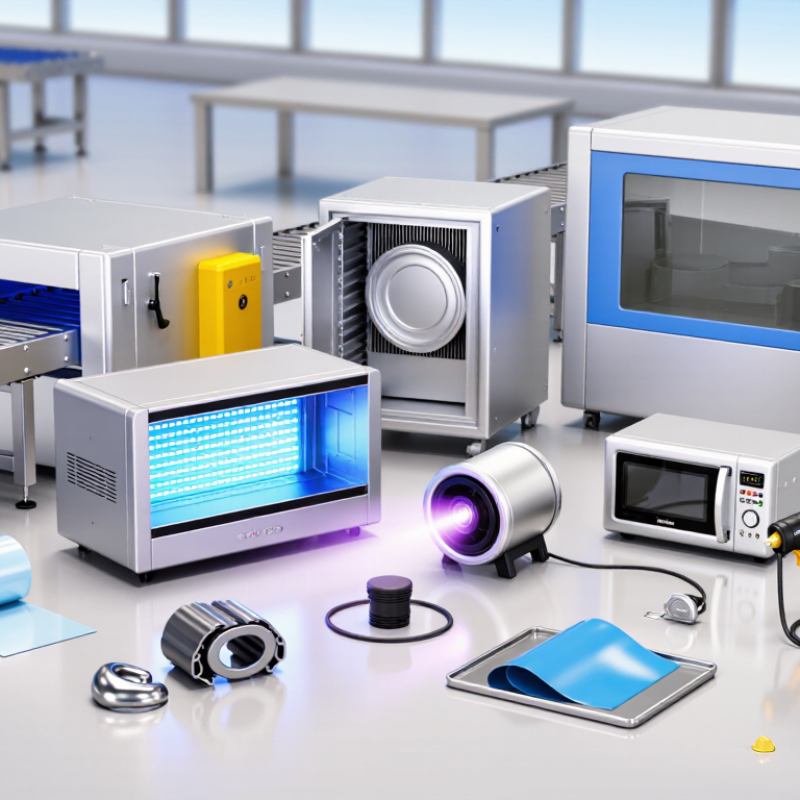
Choosing among the 7 Best Uv Drying Solutions starts with the material, not the lamp. Ink on a flexible package behaves differently from a coating on a metal part. A narrow conveyor, a curved surface, and a heat-sensitive substrate each create different process demands. Uv Drying Solutions can include mercury-arc systems, UV-LED units, microwave-powered lamps, excimer sources, conveyor systems, spot-curing equipment, and enclosed curing chambers. Each has strengths. None fits every production line.

UV-curing authority R. S. Davidson’s technical work points to a practical principle: match the light source, formulation, and exposure conditions to the application. That is a useful guide, not a substitute for testing. A system that cures a thin clear coat may leave a thick, pigmented layer tacky underneath. Watch the details: lamp distance, conveyor speed, surface temperature, and the shadow cast by a fixture. Small changes matter. Sometimes the first setup fails.

This guide compares seven approaches by their curing performance, operating needs, and practical trade-offs. It also considers purchase cost, maintenance, and how easily each solution fits an existing workflow. A UV-LED unit may offer precise control, while another process may need broader spectral output. The best choice is the one that cures consistently on the actual product, at the required pace, without adding avoidable heat or complexity. Test real samples before committing. That step is easy to underestimate.
What Are the 7 Best UV Drying Solutions?

How UV Drying Works and Where It Is Used

UV drying is often called UV curing because light triggers a chemical change rather than simply evaporating liquid. A coating, ink, or adhesive contains ingredients that react when exposed to selected ultraviolet wavelengths. The material hardens within seconds when the dose is suitable. Light does the work.

The process depends on wavelength, intensity, exposure time, and the formula being cured. Common systems use mercury lamps or UV LEDs, each with different energy use, heat output, and wavelength ranges. LEDs can suit heat-sensitive materials, but they may not cure every formulation. A dry-looking surface can hide uncured material underneath, especially in thick or pigmented layers. Testing matters.

UV curing appears in print shops, packaging lines, electronics assembly, and furniture finishing. It can set ink on labels, bond small components, or harden a clear protective layer on wood. Conveyor systems handle continuous production; compact lamps serve benches and repair stations. Operators check lamp distance and exposure, then inspect adhesion and surface hardness. Dust, shadows, and uneven coating thickness can spoil results. I have seen a fast cure mistaken for a good cure. Speed is useful, but verification still counts.

What Are the 7 Best UV Drying Solutions?

Typical UV output ranges and common applications. Choose a source to suit the material, photoinitiator and production process.

Wavelength ranges are approximate. Actual output varies by lamp design; low-pressure mercury lamps are shown at their dominant 254 nm line. UV curing uses light to polymerize suitable inks, coatings or adhesives, while UVC is commonly used for disinfection rather than conventional curing.

Key Criteria for Comparing UV Drying Solutions

Comparing seven UV drying solutions starts with the job, not the lamp. Record the coating chemistry, substrate, line speed, and required cure depth before comparing equipment. Check wavelength fit: a 365 nm source may not activate the same photoinitiator as a 395 nm source. Measure irradiance and dose at the moving surface, not just at the lamp window. Small gaps matter.

Uniformity matters too. Map dose across the full belt width and at the edges; uneven exposure can leave tacky spots or brittle, over-cured areas. Track heat on thin films and temperature-sensitive parts, alongside airflow, shielding, and operator access. The International Electrotechnical Commission’s IEC 62471 framework evaluates photobiological risks from lamps, making safety controls part of the comparison. Use calibrated radiometers and record readings by wavelength. No guesswork.

The IEA’s Energy Efficiency 2023 report estimates that industry accounts for about 37% of global energy use. That broad figure is not a UV-system benchmark, but it reinforces the value of measuring input power against accepted output. Compare kilowatt-hours per cured square metre, lamp life, warm-up time, maintenance intervals, and reject rates under real production conditions. A peak-speed rating is useful, but incomplete; production logs may reveal an awkward trade-off between speed and cure quality.

Seven Common Types of UV Drying Systems

UV drying usually means UV curing: light triggers a fast chemical reaction instead of evaporating water or solvent. The seven common system types differ by lamp source and delivery setup. Mercury-vapor arc lamps provide broad-spectrum output for inks and coatings. Metal-halide lamps shift that spectrum, which can suit thicker or pigmented layers. Microwave-powered electrodeless lamps generate UV without electrode wear. They still need careful heat management.

UV LED arrays target selected wavelengths and switch on quickly. They can reduce unwanted heat on sensitive substrates, but the ink or coating must match the LED’s wavelength. Excimer systems produce short-wavelength UV and can create very matte, low-gloss surfaces.

MarketsandMarkets projected the UV curing system market would reach $4.2 billion by 2027, at an 11.5% compound annual growth rate from 2022. That is market growth, not proof that one system performs best.

Conveyorized systems move parts beneath lamps at a controlled speed, making them useful for repeatable production. UV tunnels enclose the light path and can treat larger or irregular items, though shadows may leave uncured areas. These categories can overlap: a conveyor may use LED arrays, for example. There is no universal winner. Measure irradiance at the work surface, check cure depth, and test the actual material. Honestly, setup details matter more than brochure claims.

How to Choose a UV Dryer for Your Application

Choosing a UV dryer starts with the material and chemistry, not the machine’s advertised power.

Check the coating or ink’s specified wavelength range and required UV dose. A unit with the wrong spectrum may leave a tacky surface, even when the lamp looks bright. Small details matter. Compare LED and mercury-based systems for heat output, warm-up needs, operating life, and replacement routines. Thin films, heat-sensitive plastics, and opaque layers respond differently.

Match the curing area to your actual production setup. Measure the part width, lamp-to-surface distance, conveyor speed, and shadows from raised edges. A dryer sized for a sample may struggle with full-width production. That is easy to overlook. Ask for irradiance and dose data at the work surface, not just electrical input ratings.

Test with the real substrate, coating thickness, and line speed, then check cure using an appropriate adhesion or rub test. A clean test result may not capture every awkward corner of a production line, so record your settings and monitor early runs. Keep shields and interlocks in place, and follow the equipment maker’s exposure and ventilation guidance.

UV Dryer Safety, Maintenance, and Performance Factors

UV drying performance depends on more than lamp power. Cure quality changes with wavelength, irradiance, exposure time, and the material beneath the light. Keep the emitter distance consistent; even a small shift can leave a tacky strip near an edge. Conveyor speed matters too: a glossy surface may look dry while the layer underneath remains soft. Test representative samples, including corners and thicker areas, before settling on a setting. Small details matter.

UV light can injure eyes and skin, so keep shielding and guards in place and use suitable protective equipment during service. Never bypass an interlock. Provide ventilation when process materials release vapors, following equipment instructions and material safety information. Switch off and isolate the unit before cleaning or replacing components. Remove dust from reflectors and guards with approved materials; scratches or residue can reduce useful output. Measure UV intensity with an appropriate meter, not by judging brightness. Record readings and lamp hours, then compare them over time. A tidy log helps, but it cannot catch every uneven coating; inspect actual cured parts as well. Do not guess.

What Are the 7 Best UV Drying Solutions? - UV Dryer Safety, Maintenance, and Performance Factors

UV Drying Solution Best Suited For Performance Factors Safety Factors Maintenance Considerations Key Selection Check
1. UV LED conveyor system Continuous curing of compatible inks, coatings, and adhesives on a production line. Common curing wavelengths include 365, 385, 395, and 405 nm. Output is concentrated in selected wavelength bands; formulation compatibility and delivered UV dose determine cure quality. LEDs generally produce less infrared heat at the substrate than conventional arc lamps. UV radiation can injure eyes and skin. Enclose the curing area, use interlocks and suitable UV-rated shielding, and follow the equipment and coating safety instructions. Keep the LED window and cooling surfaces clean. Check fans or liquid-cooling circuits, airflow, interlocks, and output according to the maintenance schedule. Confirm that the coating’s photoinitiator responds to the LED wavelength and that line speed allows the required dose.
2. Medium-pressure mercury arc system Broad-spectrum curing applications, including established printing and coating processes. Produces a broad UV spectrum and can suit formulations designed for arc-lamp output. Heat load, lamp condition, reflector condition, and exposure time affect the result. Requires effective shielding and interlocks. Lamps contain mercury and must be handled and disposed of under applicable hazardous-waste rules. Provide ventilation where required by the lamp design and process. Inspect and clean reflectors and quartz components as directed. Track lamp operating hours and replace lamps when output falls below process requirements; allow the system to cool before servicing. Check spectral compatibility, substrate heat tolerance, exhaust requirements, and the supplier’s lamp-replacement guidance.
3. Iron-doped metal-halide UV lamp Processes that need a modified arc-lamp spectrum, such as selected thicker or pigmented coatings. Iron additives alter the lamp’s spectral distribution compared with an undoped mercury lamp. Actual cure depends on the formulation, lamp spectrum, irradiance, and exposure time. Use the same UV shielding, interlocks, and trained servicing practices required for arc-lamp equipment. Follow instructions for handling lamps and any mercury-containing components. Keep reflectors and protective components clean, monitor output, and replace the lamp according to measured performance and operating guidance. Verify that the modified spectrum matches the coating’s absorption and curing requirements; do not select by lamp type alone.
4. Gallium-doped metal-halide UV lamp Applications where a longer-wavelength-weighted arc-lamp output is useful, including some pigmented or thicker films. Gallium doping changes the spectral distribution. Cure depth and speed vary with pigment, film thickness, formulation, and the dose reaching the material. Shield the UV source and prevent access during operation. Manage heat and ventilation as specified for the equipment, and use appropriate procedures when servicing lamps. Inspect the reflector, lamp envelope, cooling system, and safety interlocks. Record operating hours and check delivered UV output periodically. Test the specific material and film thickness under production conditions before choosing this spectrum.
5. Microwave-powered electrodeless UV system Some high-throughput curing processes that use electrodeless UV lamp technology. The lamp is energized by microwave power rather than internal electrodes. Spectrum and output depend on the lamp type and system design; cooling, reflector condition, and exposure geometry remain important. Use intact shielding, access interlocks, and the manufacturer’s microwave and UV safety controls. Never operate with damaged covers or bypassed interlocks. Check the bulb, reflector, cooling airflow, microwave shielding, and interlocks on the prescribed schedule. Replace consumable components as specified. Confirm compatibility with the process chemistry and verify both UV output and line-speed performance.
6. UV LED spot or flood-curing unit Localized curing, small parts, assembly work, laboratory trials, and applications not suited to a conveyor. Spot units concentrate energy in a defined area; flood units cover a wider field. Distance, angle, exposure time, wavelength, and shadowing influence the delivered dose. Do not view the source directly or expose skin. Use an enclosure or barrier where practical, UV-rated eye protection when required, and suitable controls for reflective surfaces. Clean the emitting window, check cooling and output, and inspect timers, triggers, shielding, and interlocks. Avoid touching optical surfaces with bare hands. Measure coverage and dose at the work surface, including recessed or shadowed areas.
7. Multi-zone UV curing tunnel Parts or web materials requiring controlled, repeatable exposure across several process stages. Separate zones can support staged exposure or different operating conditions. Uniformity depends on lamp placement, transport speed, part orientation, and the spacing between the source and workpiece. Enclose the tunnel and interlock access doors. Provide appropriate heat management and ventilation, and train operators on safe loading, unloading, and maintenance. Clean optical surfaces, inspect conveyors and guards, verify zone output and interlocks, and maintain cooling and exhaust components. Check curing uniformity across the full product width and at the intended production speed.

Selection note: “Best” depends on the material, coating chemistry, required production rate, substrate heat sensitivity, and available safety controls. Validate cure quality and UV dose using the actual process setup. Follow equipment instructions, applicable regulations, and the coating supplier’s safety data.

MSIRobot