
Top 10 Range Exhaust Hood Types for Your Kitchen
Cooking creates more than aroma. Steam clouds cabinet doors, while frying can send fine grease across nearby surfaces. A well-chosen Range Exhaust Hood helps capture smoke, heat, moisture, and cooking particles before they spread. But there is no single best design for every kitchen. A compact apartment, a wide professional-style range, and an island cooktop all create different installation demands. The hood must also suit the available duct route, ceiling height, and cabinetry. Small details matter.
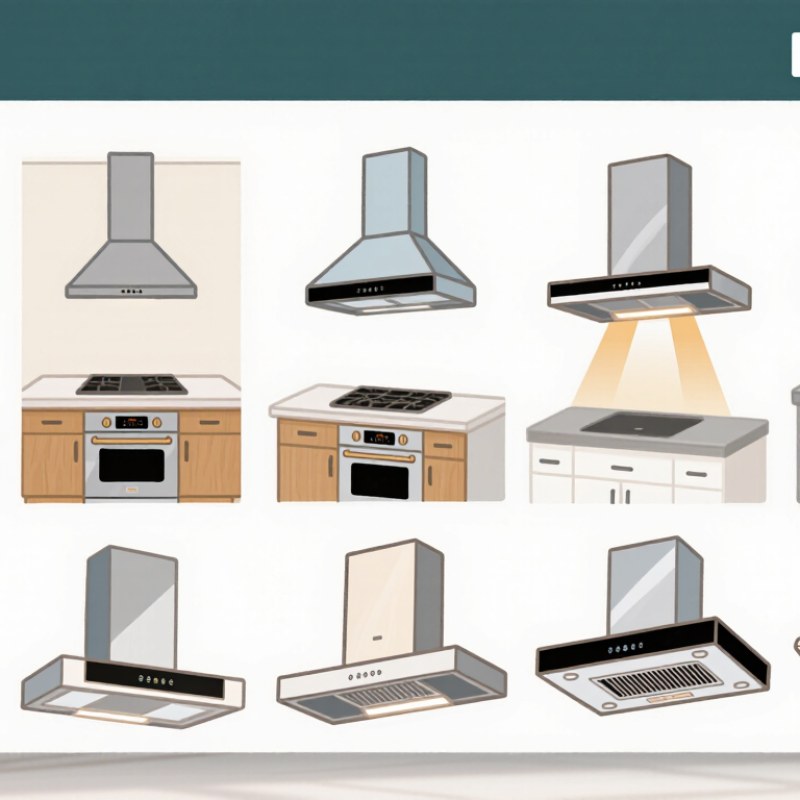
This guide introduces ten common range exhaust hood types, from under-cabinet and wall-mounted models to island, insert, and downdraft designs. Each handles space and ventilation differently. We’ll look at how mounting position affects capture, what ducted and ductless operation mean, and which features deserve a closer check. Airflow ratings can help, but a larger number alone does not guarantee quieter or better performance. Confirm the hood’s width against the cooking surface, review the manufacturer’s clearance instructions, and consider filter access before buying. Also think about your real habits: frequent searing needs different support than occasional simmering. A bit of noise might be acceptable; sometimes it isn’t. Kitchen layouts vary, and product claims are not interchangeable. Use the comparisons as a starting point, then verify specifications with the manufacturer or a qualified installer. The right choice should fit both your cooking and the room—not just look good in a photograph.
How Range Hoods Capture and Remove Cooking Pollutants
When oil meets a hot pan, tiny droplets and smoke rise with warm air. A range hood uses a fan to pull this plume through an intake before it spreads across cabinets and the room. Capture depends on more than fan power. The hood should cover the cooking surface, sit at the maker’s recommended height, and run while cooking. A few minutes afterward can help clear lingering haze.
Under-cabinet, wall-mounted, island, and insert hoods can all capture pollutants when positioned well. Their filters matter, too. Metal mesh or baffle filters trap grease and need regular washing; clogged filters restrict airflow. Ducted models carry air outdoors, while recirculating models filter it and return it to the kitchen. That distinction is easy to overlook. Recirculating filters can reduce odors and some particles, but they do not remove indoor air or cooking moisture.
Use a higher fan setting for searing or frying, then lower it for simmering if the noise is distracting. Keep a nearby window slightly open when practical, especially in a tightly sealed kitchen. Still, no hood catches everything. A pot at the far edge may release steam beyond the intake, and some smoke can escape before the fan draws it in. Watch where the plume travels; real kitchens are not showroom kitchens.