
Top 10 PCB Assembly Questions Answered for Beginners
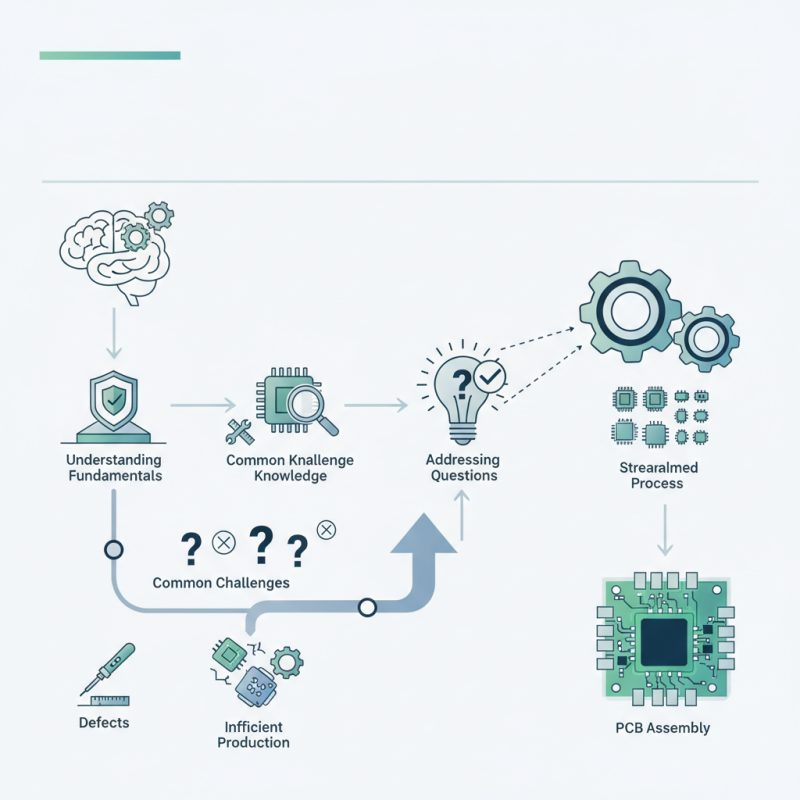
In the realm of electronics, PCB assembly is a crucial process. Beginners often face common challenges when navigating this complex field. Renowned expert Jennifer Lee once said, “Understanding the fundamentals of PCB assembly can prevent costly mistakes.” This statement resonates strongly with newcomers eager to learn.
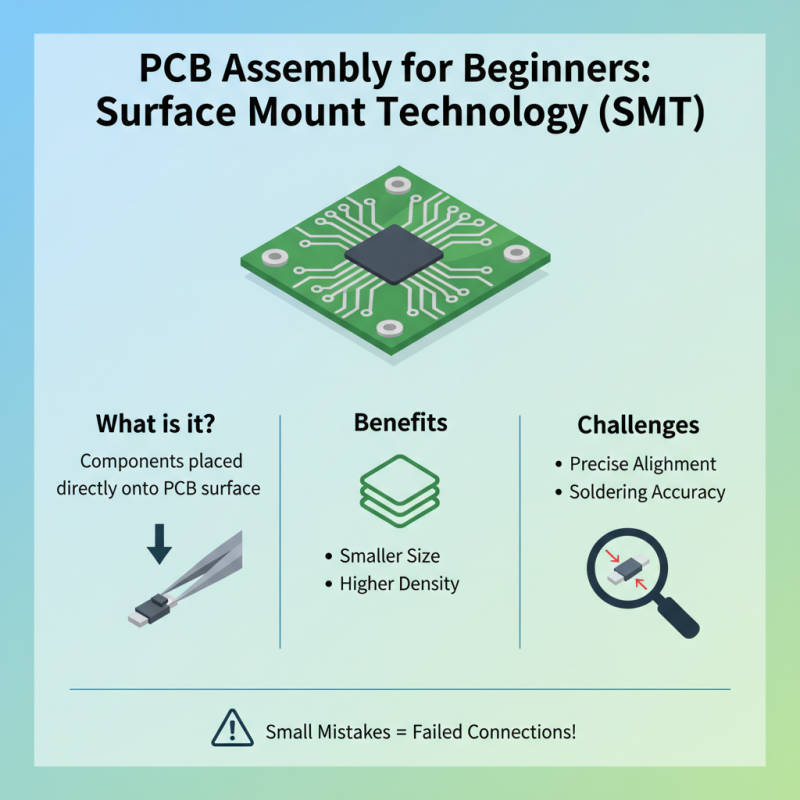
PCB assembly involves various techniques and components. Beginners need to grasp concepts like soldering, surface mount technology, and component placement. These elements are vital. However, many overlook practical aspects, leading to errors. It’s essential to understand the importance of precision and proper tools.
In the process, issues may arise. Inadequate knowledge can result in defects or inefficient production. Beginners might rush through steps, thinking they can skip details. Reflecting on these challenges is crucial for growth. By addressing questions and clarifying doubts, new entrants can enhance their skills and streamline their PCB assembly process.
Understanding the Basics of PCB Assembly for Beginners
PCB assembly is a critical process in electronics manufacturing. For beginners, understanding this process can be daunting. Did you know that the global PCB market is expected to reach $73 billion by 2024? This growth reflects the increasing complexity of electronic devices. Many new engineers often overlook the importance of design for manufacturability. Proper design can significantly reduce errors and costs.
A typical PCB assembly project consists of several stages. These include designing, sourcing materials, and assembling components. In 2023, research highlighted that 40% of production issues stem from sourcing low-quality components. This is a common pitfall for beginners. Attention to detail in component selection is necessary. It's essential to choose reliable suppliers to avoid future headaches.
Understanding soldering techniques is also crucial. Different soldering methods, such as wave soldering or reflow soldering, cater to various assembly needs. A study found that improper solder joint formation leads to a 25% reduction in assembly reliability. Beginners should practice these techniques to build competence. Mistakes will happen, but they can offer valuable learning experiences. Embracing those lessons is key in the journey of mastering PCB assembly.
Related Posts
-
How to Choose the Right PCB Assembly Service for Your Electronic Projects
-
Navigating the Future of Best Printed Circuit Board Assembly in the 2025 Market Landscape
-

Exploring Innovative Alternatives in PCB Design and Assembly for Global Buyers
-
How to Optimize PCB Design and Assembly for 2026?
-
Top 10 Tips for Effective PCB Board Design for Beginners and Experts
-
Understanding the Essentials of PCB Design and Assembly for Beginners