2026 How to Optimize Circuit Board Manufacturing Processes?
In the world of circuit board manufacturing, efficiency is key. The complexity of designs and technological advancements demand refined processes. Companies face challenges such as high costs and increasing competition. They must adapt to remain relevant.
Streamlining production is crucial. Every step, from design to assembly, impacts overall outcomes. A minor flaw can lead to significant delays and increased expenses. It’s imperative to analyze each stage carefully. Embracing automation or improved materials can enhance quality and speed.
Moreover, communication among teams is vital. Misunderstandings can result in errors that affect the final product. Continuous training and feedback loops can bridge gaps. In an industry that evolves quickly, staying informed is essential for success. Finding the right balance between speed and quality poses ongoing challenges in circuit board manufacturing.
Understanding the Basics of Circuit Board Manufacturing Processes
Circuit board manufacturing involves complex processes that require precision. Understanding these basics is crucial for innovation and efficiency. The primary steps include design, fabrication, assembly, and testing. Each step offers opportunities for improvement and optimization.
According to recent industry reports, improper design can lead to up to 40% of production delays. Designers often overlook the manufacturability aspect. Ignoring design rules can cause costly rework. Additionally, the choice of materials affects performance and production costs. It’s important to choose materials that align with both electrical requirements and budget constraints.
Assembly processes also present challenges. For instance, inconsistent soldering techniques can result in defective boards. A report indicated that 30% of defects originate from soldering errors. Proper training and standardized procedures can mitigate such issues. Focusing on these fundamentals can lead to significant gains in efficiency and quality control, a necessity in today's competitive landscape.
2026 Circuit Board Manufacturing Process Optimization
Identifying Key Factors Affecting Circuit Board Production Efficiency
When optimizing circuit board production, several key factors impact efficiency. One crucial aspect is the
design complexity. Complex designs can lead to longer manufacturing times and increased errors. Simplifying circuits can enhance production speed and reduce waste. Small adjustments in layout may greatly influence the final product.
Another significant factor is the
equipment used. Older machines can slow down production and affect precision. Investing in modern technology may boost efficiency. However, not all manufacturers can afford these upgrades immediately. Regular maintenance of existing equipment is equally important to minimize downtime.
Employee training plays a vital role in manufacturing success.
Skilled workers can identify potential issues early. Regular training programs can help staff adapt to new processes. Without proper training, even the best equipment can underperform.
Continuous assessment of workflows is essential, as inefficiencies can often go unnoticed.
Utilizing Automated Technologies for Circuit Board Manufacturing Optimization
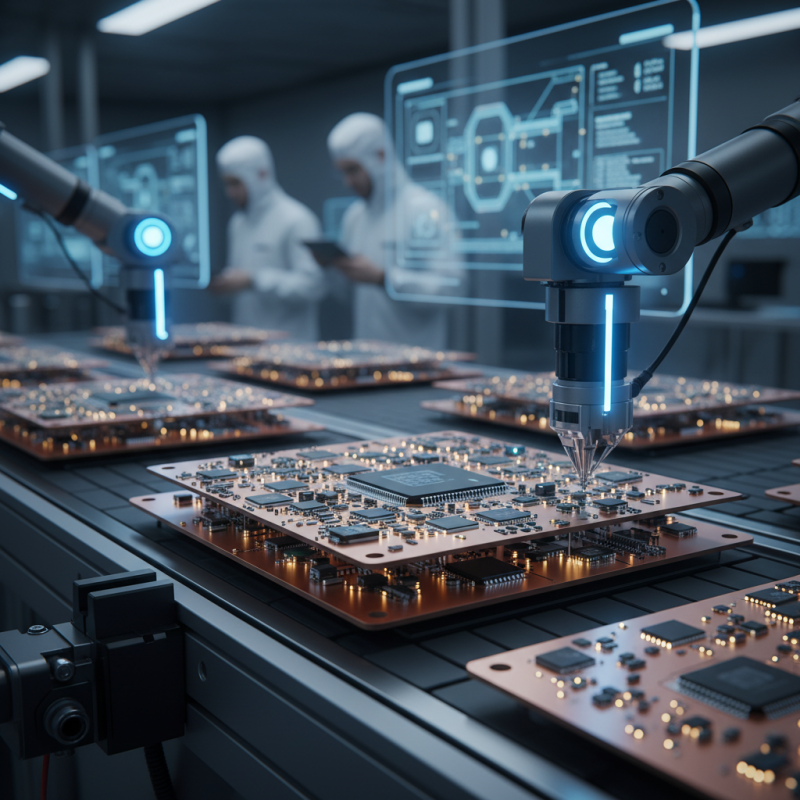
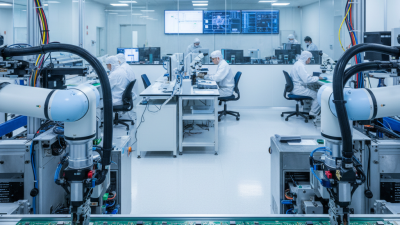
Automated technologies are transforming circuit board manufacturing. The introduction of robotics and AI can streamline processes, reduce errors, and increase production speed. According to industry reports, manufacturers using automation can boost productivity by up to 30%. This means faster turnaround times for clients and lower operational costs.
Investing in smart technologies is essential. Vision systems can detect defects in real-time, ensuring that errors are caught early. This prevents costly reworks and waste. However, companies often overlook the importance of training staff to work alongside these technologies. Without proper integration, efficiency gains may not be realized.
Tips for optimizing your process:
- Ensure regular maintenance of automated systems. A well-maintained machine performs better.
- Combine automation with human skills. Employees should understand how to use technology effectively.
- Measure the performance data continuously. Analyze this data to identify areas for improvement.
These steps can lead to more refined processes and better products.
Continuous Improvement Strategies for Enhanced Circuit Board Production
To enhance circuit board production, continuous improvement strategies are crucial. Recent reports indicate that manufacturers can increase efficiency by 15% through process optimization. Identifying bottlenecks is essential. Often, it's the small things that slow down production. Are your machines calibrated correctly? Missing these small details can lead to costly errors.
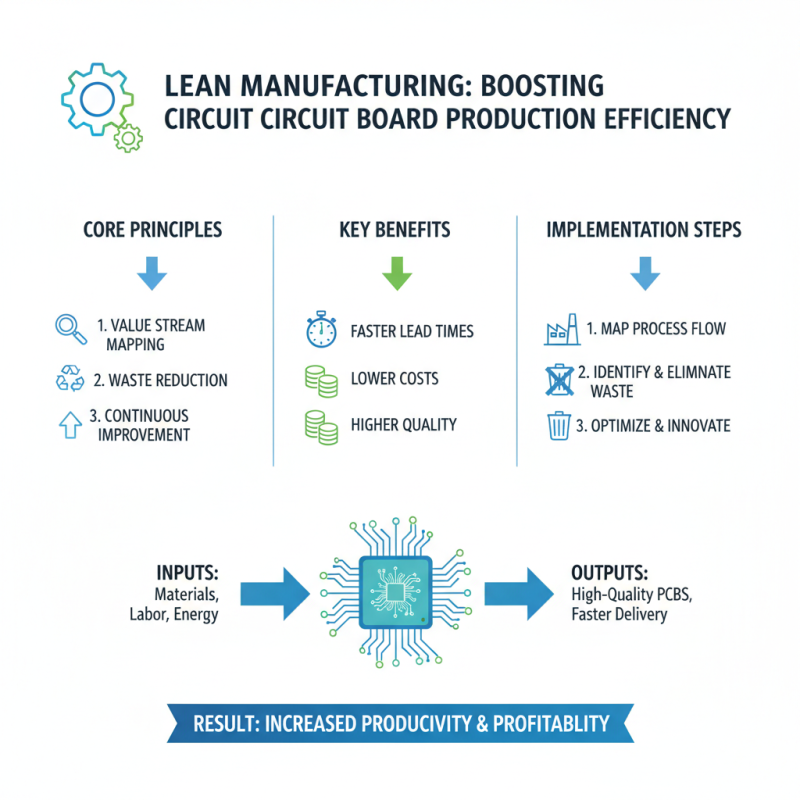
Implementing Lean methodologies can streamline operations. For example, reducing waste in materials can save up to 20%. Tips for achieving this include regular audits on supply chain processes and adopting just-in-time inventory systems. Small adjustments can lead to significant savings. However, these solutions require dedication and ongoing evaluation.
Another aspect is workforce training. Knowledge gaps can hinder performance. Regular training sessions help maintain high standards. A 2023 industry survey showed that teams with updated skills had a 30% increase in output. Reflect on your training programs. Are they effective? Continuous learning should not be overlooked.
2026 How to Optimize Circuit Board Manufacturing Processes?
| Improvement Strategy |
Expected Outcome |
Implementation Cost |
Timeframe for Implementation |
Key Metrics to Measure Success |
| Lean Manufacturing Techniques |
Reduced waste and improved efficiency |
$20,000 |
6 months |
Waste reduction percentage, cycle time |
| Automation of Assembly Processes |
Increased production speed |
$50,000 |
1 year |
Production throughput, downtime hours |
| Quality Control Improvements |
Decreased defect rates |
$15,000 |
3 months |
Defect rate, customer complaints |
| Employee Training Programs |
Increased worker productivity |
$10,000 |
2 months |
Output per hour, training completion rates |
| Supply Chain Optimization |
Lower costs and improved material availability |
$25,000 |
4 months |
Material lead time, cost savings |