What is a Miniature Circuit Breaker and How Does It Work?
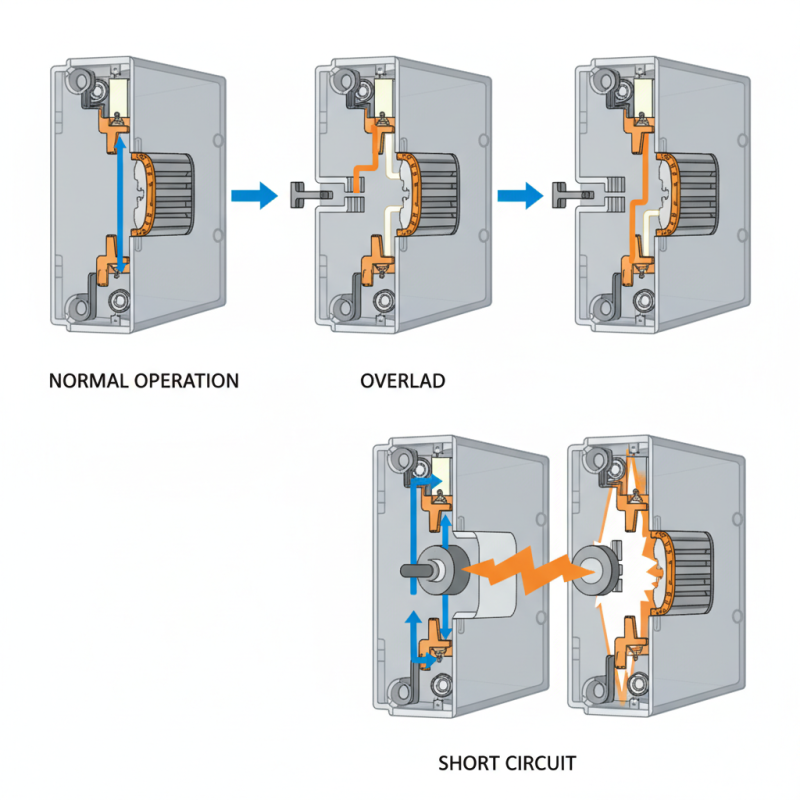
A Miniature Circuit Breaker (MCB) is vital in electrical systems. It protects circuits from overloads and short circuits. When current exceeds a safe level, the MCB trips. This prevents damage and ensures safety.
These devices are common in homes and industries. They come in various ratings for different applications. However, not every installation uses the right MCB. Incorrect choices can lead to frequent tripping or insufficient protection.
Understanding how a Miniature Circuit Breaker works is essential. It involves mechanics that sense current flow. When issues arise, the MCB must respond effectively. Reflection on your system can reveal potential vulnerabilities.
Definition of Miniature Circuit Breaker (MCB)
A Miniature Circuit Breaker (MCB) is a crucial safety device in electrical systems. Its primary function is to protect circuits from overload and short circuit. When a fault occurs, the MCB automatically switches off the circuit, preventing potential damage. This compact device is much more efficient than traditional fuses. Unlike fuses, MCBs can be reset easily after tripping.
MCBs come in various ratings and trip characteristics. Knowing the right type for your needs is essential. For instance, Type B MCBs are suitable for residential use, while Type C works well for commercial applications. These small differences can greatly affect performance. Always be careful when selecting an MCB. Using the wrong type may not provide adequate protection.
Tips: Regularly test your MCBs. This practice ensures they function correctly. Inspect connections and look for any signs of wear. If you notice any issues, seek professional advice. Remember, a well-maintained MCB is a reliable partner in your electrical safety.
Components of a Miniature Circuit Breaker
Miniature Circuit Breakers (MCBs) are essential components in electrical systems. They help prevent overloads and short circuits. Each MCB consists of several key parts. The most important are the sensing mechanism, the trip mechanism, and the switch. The sensing mechanism detects abnormal currents. When a fault occurs, it triggers the trip mechanism. This action opens the circuit, cutting off the electrical flow.
The switch is used for manual control. It allows you to turn the circuit on or off. MCBs also feature a reset button. After a trip, pressing this button restores the circuit. It’s a simple yet effective design.
Tips: Regularly check your MCBs. Look for signs of wear or damage. If an MCB trips frequently, there might be an underlying issue. Consult a professional to investigate.
Knowing these components is crucial for safety. A malfunctioning MCB can lead to serious risks. Understanding how they work helps in making informed decisions. Always prioritize safety in electrical installations.
Miniature Circuit Breaker Current Ratings
This bar chart illustrates the current ratings of various miniature circuit breakers (MCBs), indicating their popularity based on user installations. The ratings range from 6A to 40A, reflecting a variety of applications in electrical systems.
How Miniature Circuit Breakers Operate
Miniature circuit breakers (MCBs) are crucial for electrical safety. They protect circuits from overloads and short circuits. MCBs automatically switch off current flow when excessive current is detected. This features a spring mechanism and a bi-metallic strip. The bi-metallic strip bends due to heat. This mechanism is sensitive and reliable, ensuring quick response times.
According to industry reports, the global miniature circuit breaker market was valued at over $2 billion in 2022. The growth rate is expected to be 6% annually. These statistics highlight the increasing demand for MCBs in residential and commercial sectors. Many MCBs are designed with multiple poles, enhancing circuit management. Dual and triple-pole MCBs can handle more complex systems.
Utilizing MCBs can greatly reduce fire risks. Statistics show that electrical faults cause about 20% of home fires. However, improper installation can lead to failures. MCBs must be rated correctly for their applications. Overestimating the load can cause trip failures. These factors require continuous evaluation and adjustment of electrical systems. Keeping up with standards is essential.
Types of Miniature Circuit Breakers Available
Miniature Circuit Breakers (MCBs) are essential device components found in electrical systems. They protect circuits from overloads and short circuits. Various types of MCBs cater to different applications.
One common type is the Type B MCB. It trips quickly with moderate overcurrents. This is ideal for residential applications. Type C MCBs handle higher inrush currents, making them suitable for commercial settings. They are used in circuits with motors or transformers. Type D MCBs are designed for high inrush currents, typically found in industrial equipment.
While different types perform specific functions, choosing the right one can be tricky. Users must consider the load and application environment. Misjudging the type can lead to nuisance tripping or inadequate protection. Understanding the characteristics of each type is crucial. This knowledge aids in making informed decisions for safety and efficiency.
What is a Miniature Circuit Breaker and How Does It Work? - Types of Miniature Circuit Breakers Available
| Type | Current Rating (A) | Voltage Rating (V) | Breaking Capacity (kA) | Applications |
| Type B | 6 - 63 | 230/400 | 3 - 6 | Domestic circuits, lighting |
| Type C | 10 - 125 | 230/400 | 5 - 10 | General industrial use |
| Type D | 10 - 250 | 230/400 | 10 - 15 | Heavy inductive loads |
| Type K | 6 - 63 | 230/400 | 3 - 10 | Diverse applications |
| Type M | 6 - 63 | 230/400 | 6 - 10 | Traction supplies |
Applications and Benefits of Using MCBs
Miniature Circuit Breakers (MCBs) are essential in modern electrical systems. They protect circuits from overload and short circuits. These devices automatically disconnect power when they detect faults. This prevents equipment damage and reduces the risk of fire. MCBs are favored in residential, commercial, and industrial settings for their reliability and efficiency.
One major application of MCBs is in residential wiring. They act as sentinels, ensuring safety for families. In commercial buildings, MCBs manage larger electrical loads. They provide necessary protection without the need for fuses. Using MCBs leads to more straightforward maintenance. They can be reset after an overload, unlike fuses that must be replaced. This ease of use encourages proper safety protocols in workplaces.
The benefits of using MCBs extend beyond safety. They contribute to energy efficiency by minimizing power losses. However, not all installations guarantee optimal protection. Some users might overlook the specifications of their circuits. This can lead to inadequate protection, causing potential hazards. Understanding MCB ratings is crucial for ensuring appropriate performance. Reflecting on these details can improve safety and energy management significantly.