
What Is an Industrial Panel Mount Monitor?
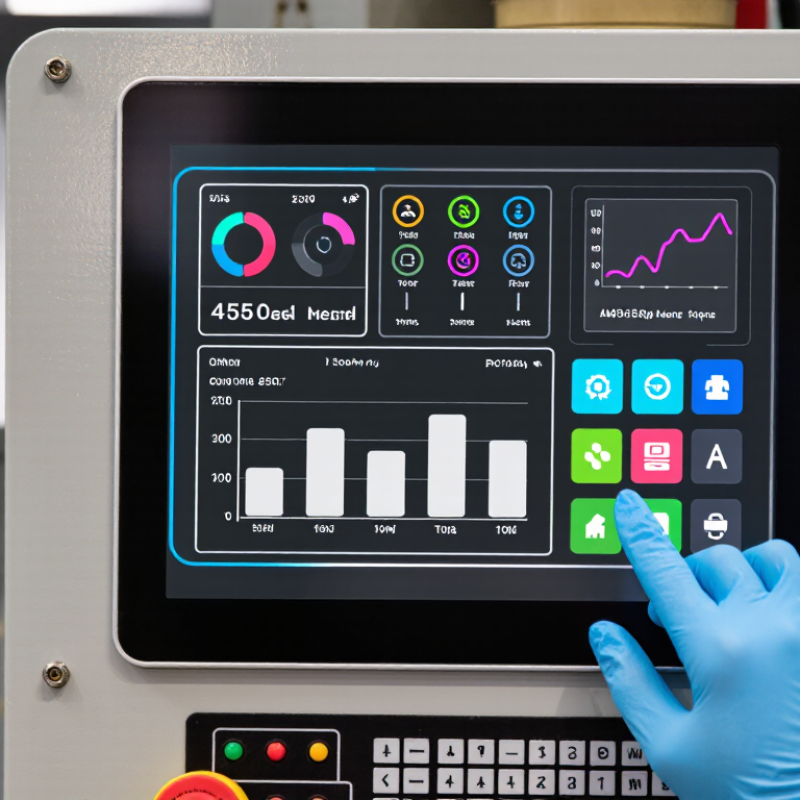
An Industrial Panel Mount Monitor is a display built to sit within a control panel, machine enclosure, or operator station. Its front bezel meets the panel surface, while the display and connections sit behind it. This arrangement saves space and gives operators a clear view of production data, equipment status, or process controls. Small details matter. A touchscreen, for example, may be useful when an operator wears gloves, but only if the screen responds reliably in that setting.
Industrial displays are often selected for their mounting dimensions, brightness, touch capability, resolution, and available inputs. The right balance depends on the installation. A bright screen can improve readability near windows or overhead lights, while a sealed front face can make routine cleaning easier. Fit comes first. A monitor that cannot accommodate the panel cutout, cable routing, or operating temperature may create problems, even when its headline specifications look impressive. Not every plant needs the same features.
This article explains how an Industrial Panel Mount Monitor works, where it is commonly used, and which specifications deserve a closer look. It also considers practical questions, such as viewing angle, maintenance access, and compatibility with the connected computer or controller. Product descriptions can make selection seem straightforward; real installations are less tidy. Measuring the opening, checking the environment, and confirming connection requirements help narrow the options. The details may vary by application, so treat general guidance as a starting point, not a substitute for checking the manufacturer’s specifications.
What Defines an Industrial Panel Mount Monitor?
An industrial panel mount monitor is a display designed to sit within a control cabinet, machine panel, or operator console. Its front bezel fits against a prepared cutout, while rear clamps or brackets secure it in place. Unlike a typical desktop screen, it is built for continuous use around equipment, where dust, vibration, heat, and frequent cleaning may be concerns. It usually displays information from a separate computer or controller; it does not necessarily include one.
What defines an industrial panel mount monitor is the combination of mounting design and specified operating limits. Check the cutout dimensions, bezel seal, temperature range, brightness, and supported input signals before selecting a unit. Touchscreen options vary, too. A resistive panel may work with gloves, while projected capacitive touch can feel more like a phone screen. Neither is automatically right for every workspace. An IP rating describes protection under stated test conditions, not immunity to every spill or cleaning method. Small differences matter.
Tips: Measure the panel opening twice, then confirm the monitor’s drawing and clearance behind the cabinet door. Ask whether the screen remains readable under your actual lighting. A specification sheet can look reassuring, yet the installation may still feel cramped. Check cable access and service space before cutting.