
How to Choose a Prefabricated Substation?
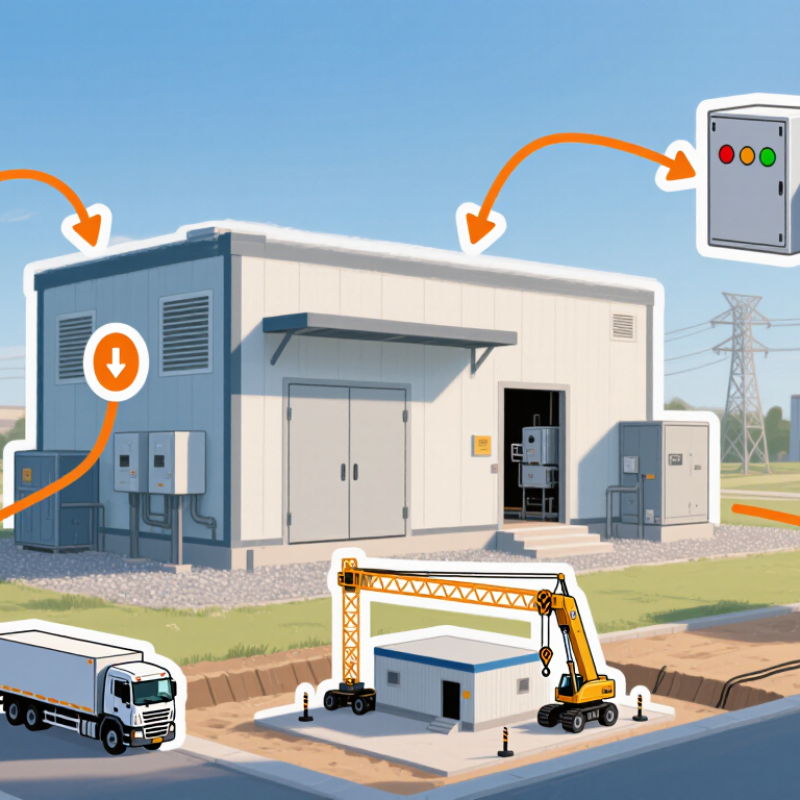
Choosing a Prefabricated Substation is not simply a matter of comparing prices. The equipment must suit the required voltage, expected load, site conditions, and future expansion plans. A factory-assembled unit can reduce on-site work, but its dimensions and access requirements still need careful checking. Picture the delivery route, crane position, cable trench, and space for maintenance before approving a layout. Small details matter. A narrow gate or poorly placed cable entry can complicate installation.
This guide introduces the main factors to review when comparing designs, including transformers, switchgear, protection systems, ventilation, enclosure ratings, and service access. It also explains why supplier drawings and technical specifications deserve close attention. Ask how the proposed configuration handles peak demand, local weather, and planned upgrades. Have a qualified electrical engineer verify the design against project requirements and applicable standards. A low initial quote can look reassuring, yet it may exclude useful monitoring features or long-term service support. That trade-off deserves a second look. No catalogue can fully represent a real site. By checking assumptions, clarifying what is included, and comparing lifecycle needs alongside purchase cost, buyers can make a more informed choice and avoid preventable surprises during installation and operation.
Define the Substation’s Purpose and Electrical Requirements
A prefabricated substation should match the work it will actually perform, not just the site’s peak load. Will it serve a factory, a renewable energy installation, or a group of buildings? Each purpose affects transformer capacity, voltage levels, switching arrangements, and protection requirements.
Map the connected equipment and note which loads run together. Motors can draw high starting currents, while sensitive controls may need stable power. Small details matter. Record expected demand now and plausible growth later; the first estimate is rarely perfect, so document its assumptions.
Tips: Gather utility supply data, load schedules, and site conditions before comparing designs. Confirm the required primary and secondary voltages, phase configuration, fault level, metering, and protection interfaces with qualified electrical professionals.
Check the installation environment as carefully as the electrical figures. Dust, moisture, heat, altitude, and limited access can affect enclosure selection, cooling, maintenance, and equipment life.
Allow space for cable entry, safe operation, and future service work. A compact layout may look efficient on a drawing, yet prove awkward when technicians need to reach a switch or replace a component.
Verify transport routes, foundation dimensions, and connection points with the project team. If a requirement remains uncertain, mark it for review rather than treating an early guess as a final specification.