
How to Choose a Linear Abrasion Tester
Choosing a Linear Abrasion Tester starts with understanding what you need to measure. The right instrument should match your material, test method, and production or research goals. A coating on a metal panel behaves differently from printed packaging, plastic, or a finished textile. That difference matters.
Start by defining the test conditions. Consider the required stroke length, rubbing speed, applied load, and number of cycles. Check whether the tester can hold your sample securely without bending or slipping. A loose fixture can affect results before abrasion even begins. Small details count.
Next, confirm that the instrument supports the method you plan to follow. If a customer specification or recognized test standard applies, compare its requirements with the tester’s settings and accessories. Look closely at the abrading media, replacement parts, and calibration process. Ask how results are recorded and whether operating conditions can be repeated across tests. Repeatability is essential, but it depends on careful setup and consistent sample preparation, too.
Practical considerations deserve attention as well. Review the machine’s footprint, controls, maintenance needs, and available technical support. If possible, test a representative sample before purchasing. Observe how easy it is to mount the specimen and inspect wear after each cycle. A polished specification sheet cannot answer every question. Some uncertainty may remain, and that is worth acknowledging. Comparing real test needs with documented capabilities helps you choose a Linear Abrasion Tester that fits the work, rather than one with features you may never use.
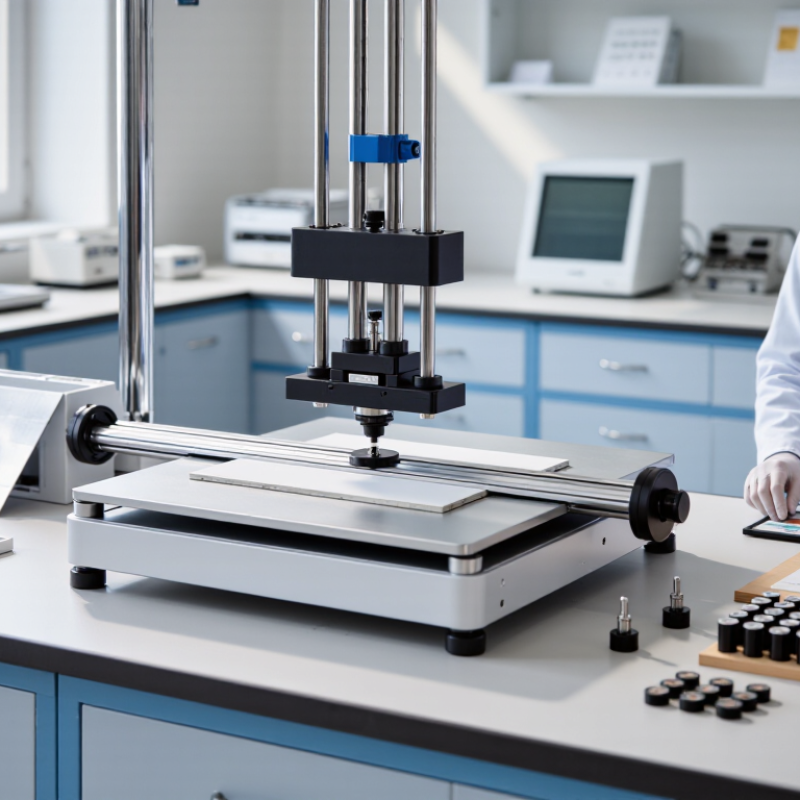
Define the Test Objective and Required Abrasion Conditions
Define the test objective before choosing settings. Are you comparing two coatings, checking production consistency, or estimating how a surface responds to repeated rubbing? These goals require different test conditions. A comparison may need controlled, identical settings. A use simulation should reflect the real contact material, pressure, and motion as closely as practical.
Specify the details that shape abrasion: counterface material, applied load, stroke length, speed, and number of cycles. For example, a fabric rubbing against a coated panel calls for a different contact setup than a hard component sliding across a finish. Record temperature and humidity when they could affect the sample.
Small details matter. Decide how you will assess damage, too: measure mass loss, inspect color change, or photograph the wear track under consistent lighting.
Keep it repeatable. A tidy test plan can still miss the real failure mode, so check that the chosen conditions match the intended use. If they do not, adjust them and run a short pilot.
It may feel like an extra step, but it can reveal excessive wear, unstable samples, or settings that produce little useful distinction. Keep the method and observations documented so later results remain interpretable.