
How to Choose the Best UV DTF Ink in 2026?
Choosing the best Uv Dtf Ink in 2026 is not about picking the brightest bottle on a product page. It means matching ink to your printer, film, curing setup, and intended surfaces. A small mismatch can show up as muted color, poor adhesion, or clogged nozzles. The sample may look perfect. The production run may not.
A fictional composite print specialist, Lena Ortiz, sums up a careful approach: “Test the ink in your own workflow before trusting a full run.” That is practical advice, not a verified quotation from a real industry professional. Compare color consistency, drying behavior, flexibility, and manufacturer compatibility guidance. Check the ink’s storage requirements, too; a neglected bottle can become an expensive lesson. Keep test prints and record settings, including curing conditions and film type. These notes help you spot patterns instead of guessing. There is no universal winner. Even a well-reviewed ink can behave differently across equipment and materials. I would not treat one successful sample as proof of long-term reliability. This guide examines the details that matter, so you can make a more informed choice for your specific workflow.
What UV DTF Ink Is and How It Works
UV DTF ink is a pigmented ink formulated to harden when exposed to ultraviolet light. It is printed onto a transfer film rather than directly onto the final object. UV energy activates components in the ink, forming a solid layer that holds pigment on the film. It does not dry by evaporation like many conventional inks. That layer matters.
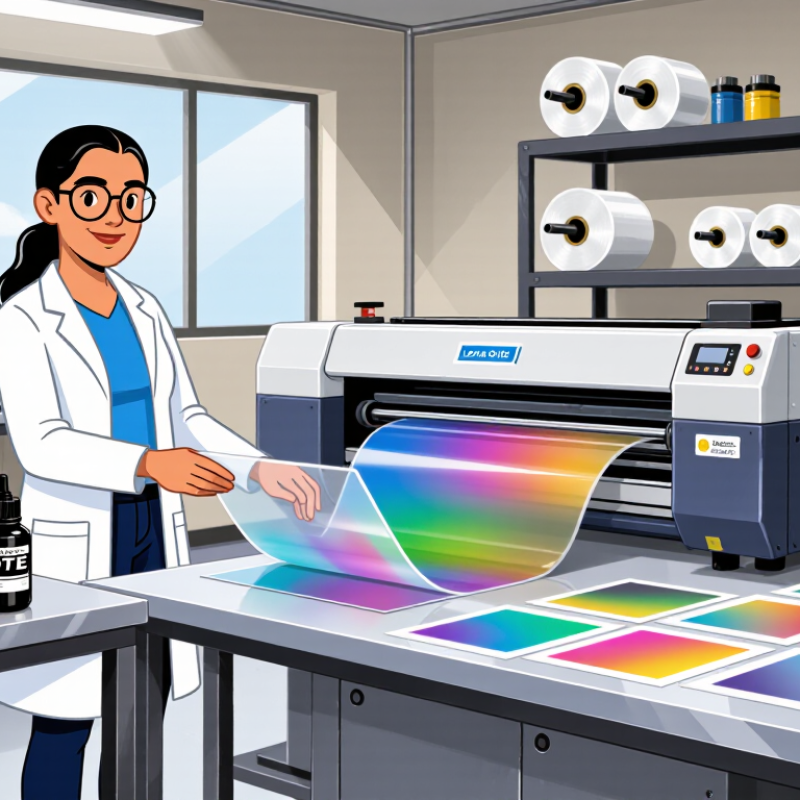
In a typical process, a printer lays down color, and often white ink, onto a coated film. White ink can help colors stay visible on dark or transparent surfaces. A clear varnish may add shine or texture. UV lamps cure each layer during printing, then a second film is laminated over the design. The finished transfer is pressed onto a clean surface, such as a glass jar or smooth plastic case, and the carrier film is peeled away. The ink stays behind as a thin printed layer.
The ink’s flow, curing response, and adhesion all affect transfer quality. A design may look crisp on film but lift at the edges on a dusty or curved object. Surface preparation and compatible films matter as much as the ink itself. This is where real setups vary. Printer speed, lamp output, and ink thickness can change how fully a layer cures, so test transfers before a large run. There is no universal setting, and even a small adjustment may improve results.