
10 Essential Tips for Successful CNC Lathe Machining?
CNC Lathe Machining is a critical process in modern manufacturing. It involves precision shaping of materials, often metal, into various components. Mastering this technique requires both skill and knowledge. Understanding the intricacies of CNC lathe machines can significantly enhance production quality. However, many new machinists often face challenges in achieving the desired results.
Working with CNC machines demands close attention to detail and a solid grasp of programming. A single error can lead to wasted materials and time. Experience plays a vital role in refining techniques and improving outcomes. Each component requires unique approaches, and there's no one-size-fits-all solution. Mistakes can happen, often when least expected. Learning from these experiences can lead to better practices.
In this guide, we will explore essential tips for successful CNC Lathe Machining. These insights draw from industry experts and seasoned machinists. Emphasizing practical strategies, we aim to help you navigate the complexities of CNC lathe operation. By focusing on reliable techniques and best practices, you can elevate your machining capabilities and achieve consistent results.
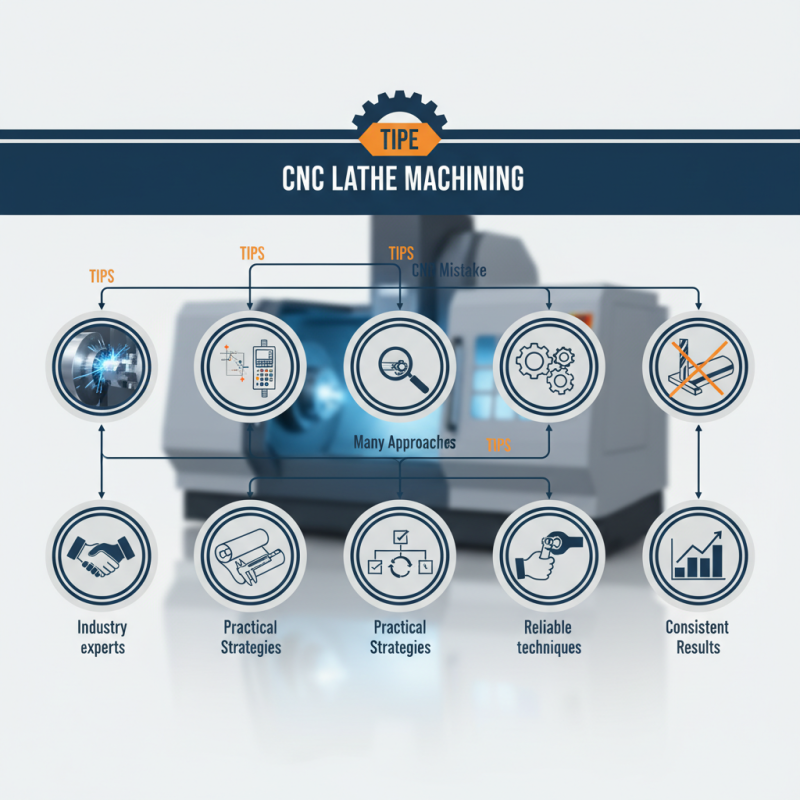
Understanding the Basics of CNC Lathe Machining Techniques
CNC lathe machining is an intricate process that requires a solid understanding of basic techniques. Mastering these fundamentals is crucial for achieving precision in manufacturing. The core of CNC lathe machining lies in its ability to create symmetrical parts through controlled rotation. Operators must familiarize themselves with tool paths and cutting speeds. Small adjustments can have significant impacts on the final product.
Precision is essential, but it often comes with challenges. For example, selecting the right material can affect tool wear and finished quality. Some materials may require specific cutting techniques. Even seasoned machinists can occasionally overlook small details, leading to errors. It's important to maintain an awareness of these nuances to improve outcomes.
Continuous learning is vital in this field. As technology evolves, so do the tools and techniques used in CNC machining. Understanding the latest advancements can enhance capabilities and efficiency. Yet, this can sometimes be overwhelming. Operators are encouraged to seek education and training opportunities. Reflecting on past mistakes can also lead to significant improvements in skills and processes.