Icon about-block-ico-1 Icon about-block-ico-2 Icon about-block-ico-3 Icon about-block-ico-4 Icon announcement-close Icon arrow-left Icon arrow-right Icon arrow-sm Icon asterisk Icon banner-transparent-vector Icon btn-callback-ico Icon careers-item-location Icon careers-item-time Icon careers-item-type Icon careers-mail-ico Icon careers-phone-ico Icon careers-search-ico Icon careers-single-hero-vector Icon careers-single-more-vector Icon careers-vector Icon check Icon close Icon dfm-image-left-vector Icon dfm-image-right-vector Icon document Icon download-popup-vector Icon dropdown Icon envelope Icon facebook Icon faq-banner-bg Icon faq-title-ico-active Icon faq-title-ico Icon featured-links-block-bg Icon figure-1 Icon figure-10 Icon figure-11 Icon figure-12 Icon figure-13 Icon figure-14 Icon figure-15 Icon figure-2 Icon figure-3 Icon figure-4 Icon figure-5 Icon figure-6 Icon figure-7 Icon figure-8 Icon figure-9 Icon file-upload Icon form-sidebar-back Icon form-step-done Icon gmap-marker-group-icon Icon gmap-marker-icon Icon header-profile-ico Icon instagram Icon link Icon linkedin Icon loader Icon mail Icon phone Icon play-yt Icon play Icon post-nav-arr-left Icon quote-banner-vector Icon quote-block-aside-vector Icon quote-contact-phone-ico Icon quote-contact-position-ico Icon sidebar-location Icon sidebar-phone Icon technology-banner-nav-left-vector Icon technology-banner-nav-right-vector Icon twitter Icon webinar-item-date-vector Icon whitepaper-img-ico-left Icon whitepaper-img-ico-right Icon whitepapers-listing-banner-ico Icon whitepapers-single-aside-vector Icon youtube Icon yt-play-button

Essential Tips for Choosing Photovoltaic Connectors Today?

When diving into the world of Photovoltaic connectors, clarity is key. These connectors play a vital role in solar energy systems, ensuring efficient energy transfer. However, many overlook their importance during installation and system design. Selecting the right connectors can significantly affect performance and safety.

Choosing photovoltaic connectors requires careful consideration. Factors such as material, durability, and compatibility with existing systems are crucial. The market is filled with options, each claiming to be the best. This abundance can lead to confusion and even mistakes if not properly navigated.

Pay attention to the details when selecting photovoltaic connectors. Ignoring specifications can result in significant issues down the road. An improper choice could lead to energy loss or even system failures. A thoughtful approach can help you avoid common pitfalls and enhance the efficiency of your solar energy systems.
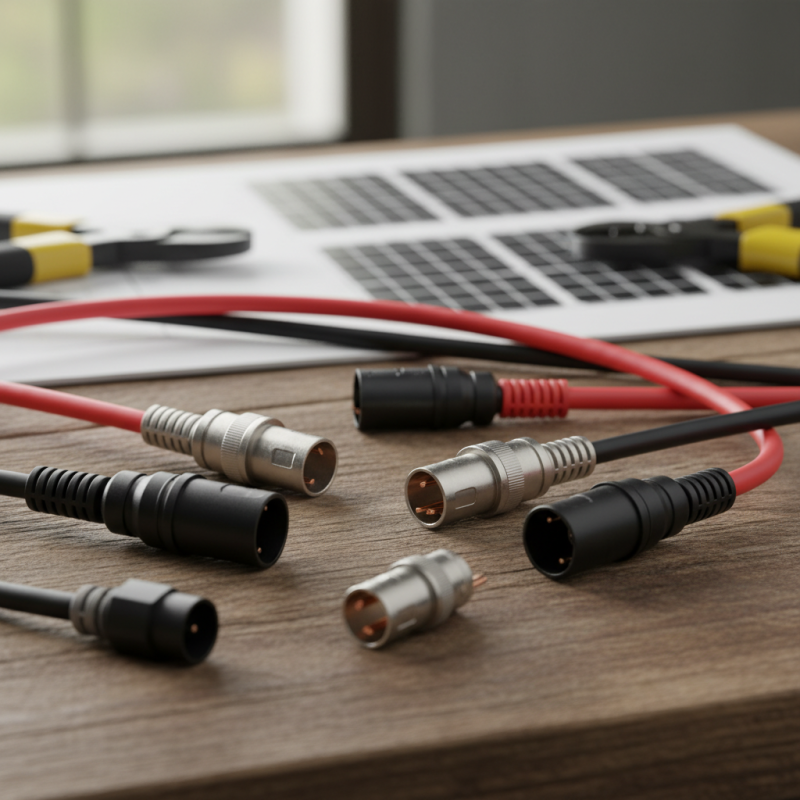
Essential Tips for Choosing Photovoltaic Connectors Today?

Understanding Photovoltaic Connectors: Types and Functions

Photovoltaic connectors play a crucial role in solar energy systems. They ensure a reliable and secure connection between solar panels and inverters. Understanding the different types can help you select the best option.

There are several types of photovoltaic connectors. MC4 connectors are the most common choice for solar installations. They are weatherproof and easy to connect. Another type is the IP67 connector, known for its durability against harsh conditions. Each serves a unique purpose, so consider your environment before making a decision.

When choosing connectors, focus on their compatibility. Ensure they fit your solar panels and system requirements. It is helpful to check ratings and certifications. A reliable connector can prevent issues like power loss. Remember to prioritize quality. Poor connectors can lead to system failures. It's easy to overlook this aspect, but the right choice can enhance your system's performance. Always assess your options closely.

Key Factors to Consider When Selecting Photovoltaic Connectors

When selecting photovoltaic connectors, several key factors come into play. The connector type is crucial for ensuring efficiency and safety. Many installations use MC4 connectors due to their reliability and ease of use. According to a recent industry report, over 70% of solar installations rely on this type. However, it's essential to consider compatibility with different panel types. Mismatched components may lead to performance issues.

Environmental factors significantly impact connector selection. It’s vital to ensure connectors can withstand harsh weather conditions. In a study published by SolarTech, 40% of connector failures were linked to moisture and temperature extremes. Choosing the right materials can minimize these risks. Connectors made from UV-resistant materials tend to have longer lifespans, even in the face of fluctuating climate.

Future-proofing your choice is also important. With the solar industry continually evolving, connectors that integrate with newer technologies and modules will be beneficial. The market is seeing a rise in connectors that support higher voltages. This shift may align with your longer-term goals. Ignoring future trends might lead to the need for costly replacements sooner than expected.

Essential Tips for Choosing Photovoltaic Connectors Today? - Key Factors to Consider When Selecting Photovoltaic Connectors

Connector Type Current Rating (A) Voltage Rating (V) Temperature Range (°C) IP Rating Material
MC4 30 1000 -40 to 90 IP68 PC/NYLON
H4 30 1500 -40 to 85 IP67 PBT
YPV 50 1500 -40 to 110 IP68 Metal/Plastic
MC3 20 1000 -40 to 90 IP66 PVC

Evaluating the Durability and Reliability of Connector Materials

When selecting photovoltaic connectors, durability and reliability are paramount. The choice of materials directly impacts the long-term performance of solar systems. High-quality connectors made from robust materials can significantly reduce maintenance costs. Data shows that connectors often fail in environments with extreme temperatures and moisture. Research indicates that connectors exposed to these conditions can have a failure rate exceeding 30% within just a few years.

Polymer-based materials are common due to their lightweight nature, but they may not always withstand harsh climates. Metal connectors, while heavier, offer superior durability. Industry reports suggest that connectors with a metal core can increase lifespan by up to 50%. However, such materials become challenging when weight and installation ease are considered. This leads to a critical dilemma for installers and designers.

Additionally, improper installation can compromise even the best materials. Weatherproofing is essential but often overlooked. A lack of sealing can lead to moisture ingress, which can severely damage connectors over time. Regular inspections should be a part of system maintenance, yet many operators neglect this step. The best materials paired with poor practices can result in catastrophic failures. It’s vital to address these practices while evaluating materials.

Durability and Reliability of Different Connector Materials

Installation Guidelines for Optimal Performance of PV Connectors

When installing photovoltaic (PV) connectors, attention to detail is crucial for optimal performance. Proper installation starts with selecting the right type of connectors. According to a recent report, approximately 25% of PV system failures stem from poor connections. This emphasizes the importance of using high-quality connectors suited to the specific application.

Ensure that the connectors are compatible with your chosen modules. Mismatched connectors can lead to significant energy loss. Data shows that energy losses from faulty connections can reach up to 30%. This underlines the need for extra care in ensuring a secure fit. Employing a torque wrench during the installation can aid in achieving the correct tightness.

Environmental factors cannot be overlooked. PV connectors must withstand temperature fluctuations and moisture. The failure rate of connectors increases in extreme weather conditions. It's recommended to conduct regular inspections after installation. These inspections can help catch early signs of wear and corrosion. Monitoring performance helps maintain the efficiency and longevity of the entire PV system.

Future Trends in Photovoltaic Connector Technology and Design

The future of photovoltaic connector technology is exciting yet complex. As solar energy becomes more mainstream, the demand for efficient and reliable connectors rises. Innovations are emerging in areas like materials and designs, aimed at improving performance. For example, connectors with enhanced weather resistance are becoming essential. They are built to withstand extreme conditions, ensuring longevity and reliability. However, some designs still show critical flaws in ease of installation.

New trends also highlight the move towards automated manufacturing. This process could lead to more precise connectors with fewer defects. Yet, this reliance on automation raises questions. How do we maintain quality control? As we shift toward smart solar technology, connectors might integrate sensors to monitor energy flow. This could lead to real-time data analysis, improving efficiency. On the flip side, increased complexity in design may lead to compatibility issues.

Sustainability is a key theme as well. The push for recyclable materials in connector design is gaining momentum. Yet, achieving a balance between performance and environmental impact is still a challenge. Some materials perform poorly in terms of durability while being eco-friendly. This ongoing conflict highlights the need for innovation. Future designs will require careful consideration to address these issues effectively.

MSIRobot