
7 Dust Proof Mask Buying Tips for Global Buyers
Choosing a Dust Proof Mask for global sourcing is more than comparing unit prices. A mask that looks sturdy may still fit poorly or feel uncomfortable during a long shift. Small details matter: nose clips, strap tension, seam quality, and the space around the cheeks. Start with the intended particles, work conditions, and expected wear time. Then check whether the product’s stated performance and supporting documents match those needs. Claims deserve careful review.
This guide presents seven practical buying tips for international buyers, from assessing fit and materials to checking samples and supplier records. Ask for clear specifications, consistent test documentation, and details about production quality. Where protection depends on a particular hazard, consult a qualified safety professional and follow applicable workplace guidance. No single checklist can replace that step. A polished brochure is useful, but it is not proof of reliable performance. Compare samples under realistic conditions, note pressure points, and ask how defects are handled. These checks may take extra time. Still, choosing only by the lowest quote can create avoidable problems later. The right purchasing decision balances documented performance, comfort, consistency, and clear communication across borders.
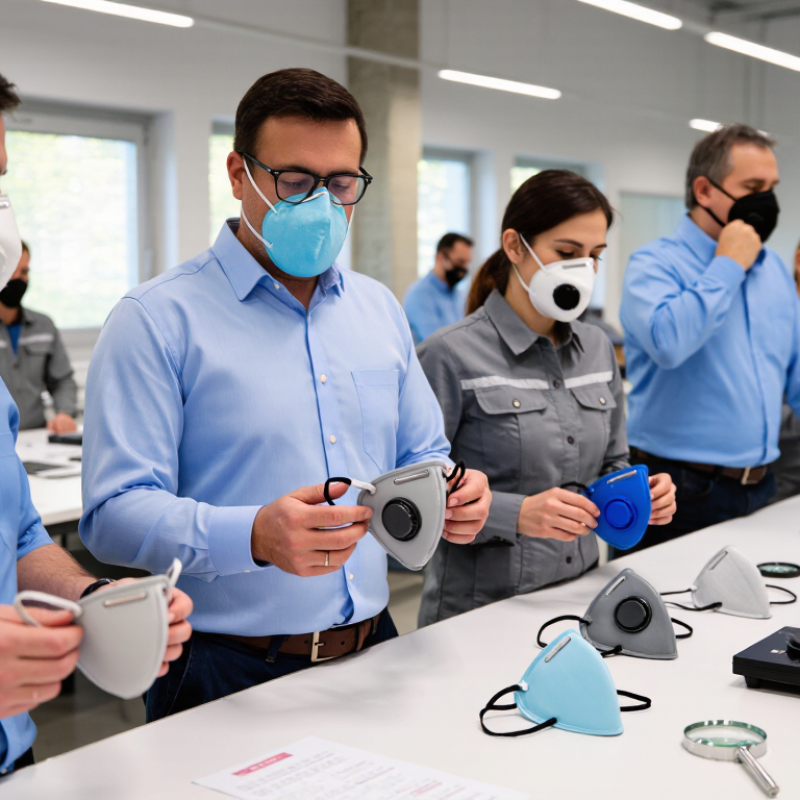
Understand Dust Hazards and the Protection Levels Masks Provide
Dust is not all alike. A mask that catches visible sawdust may not protect well against fine particles from sanding, cement, or flour handling. Smaller airborne particles can stay suspended and reach deeper into the lungs. Read the product’s stated protection class and the testing standard behind it; ratings differ between markets. A label alone does not prove that a mask fits your face.
Tip: Match protection to the task. Check the hazard information for the material, especially when dust may contain silica, mold, or other harmful particles. Particulate masks do not protect against gases or vapors. If the hazard is unclear, ask a qualified safety professional before buying. Fit matters. A simple seal check can reveal gaps around the nose or cheeks, though it is not a substitute for formal fit testing where required.
Look for adjustable straps, a nose clip, and a shape that stays sealed while you speak or bend. Facial hair can break the seal. Replace a mask when it becomes damaged, damp, dirty, or hard to breathe through. It is easy to focus on the printed rating and overlook comfort; that is a mistake, because an uncomfortable mask may be worn incorrectly or removed too often.