
How to Choose a Timer Switch for Lights
Choosing a Timer Switch For Lights starts with a simple question: what should the lights do, and when? A porch lamp may need to turn on at dusk, while a hallway light may only need to stay on for ten minutes. The right timer depends on the fixture, wiring, location, and routine. Check whether the switch supports your bulb type and load, including LED lights. Confirm that the installation location is suitable, and consult a qualified electrician if the wiring is unfamiliar. Small details matter. A switch that looks right may not fit the electrical box or your daily schedule.
For an illustrative expert voice, fictional lighting-controls specialist Maya Chen offers this reminder: “Choose the timer around the light’s real job, not just the features on its package.” That means comparing countdown, programmable, and dusk-to-dawn options before buying. Think about power outages, daylight-saving changes, manual override, and whether the controls are easy to use in a dim hallway. A clear display helps. So does a dependable override.
This guide explores the main timer types, compatibility checks, installation considerations, and common selection mistakes. It also recognizes a limitation: no timer can predict every change in household routine. A little adjustment may be needed after installation. The goal is not a perfect schedule on day one, but reliable lighting that suits the space, saves unnecessary effort, and feels straightforward to operate.
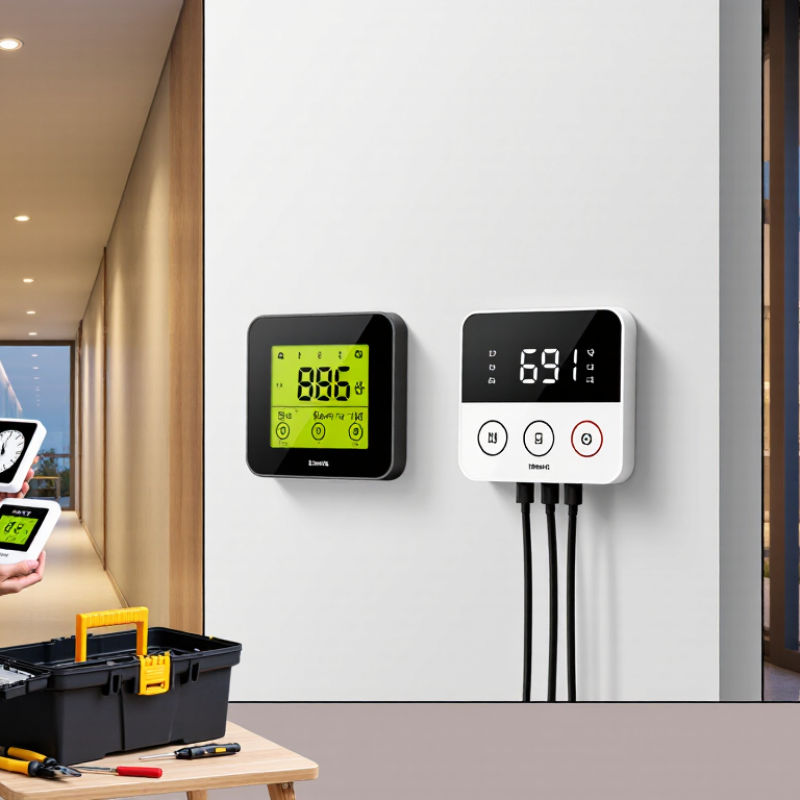
Identify the Lighting Load and Scheduling Needs
Before choosing a timer switch, record the lamp type, wattage, and number of lights on the circuit. Six 9-watt LED lamps draw 54 watts in steady operation, but the timer must also be rated for LED or electronic loads. Check its voltage, minimum-load requirement, maximum load, and wiring instructions. A timer rated only for incandescent lighting may flicker or fail with some LED drivers.
Details matter.
Scheduling should follow actual use, not an idealized routine. Note when rooms are occupied, when outdoor paths need light, and whether sunrise or sunset changes the schedule. The U.S. Department of Energy’s Energy Saver guidance reports that LEDs use at least 75% less energy than incandescent bulbs. That efficiency can make timer schedules useful, but savings still depend on how long lights would otherwise stay on.
Short test period. Run the chosen schedule for a week, then check for dark entryways, lights switching on in empty rooms, or a timer that does not behave reliably with the connected load. A neat schedule on paper can miss real life.