How to Choose the Right Steel Frame Shed
Choosing a Steel Frame Shed starts with a clear purpose, not a catalogue photo. Will it shelter a vehicle, store tools, or protect equipment used every day? Each use affects the required span, door width, headroom, ventilation, and floor layout. Measure the largest item you plan to store, including the space needed to move it. Small details matter.
A useful rule comes from fictional steel-building consultant Alex Mercer, created for this guide: “A shed is only as dependable as its frame, foundation, and connections.” Treat that as a practical reminder, not a verified industry quotation. Compare frame specifications, steel thickness, protective coating, connection details, and anchoring requirements. A low price may omit components or installation needs. Read the fine print.
Wind, snow, rain, and salty air can all affect shed performance. Ask the supplier how the proposed design addresses local conditions, and request written specifications rather than relying on broad claims. Check that the foundation suits the site and the shed’s intended loads; a qualified local professional can help assess uncertain ground or unusual requirements. Also consider access for delivery, future expansion, and routine maintenance. A frame that looks sturdy in a brochure may not fit your site or actual use. This guide outlines the questions worth asking before you buy, so you can compare options with clearer expectations and fewer costly surprises.
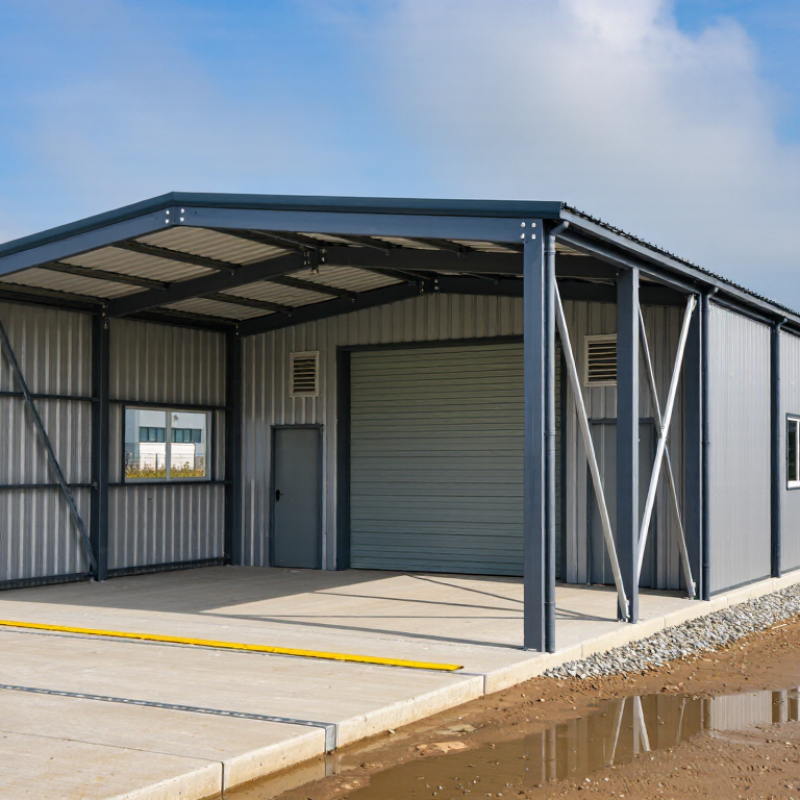
Define the Shed’s Purpose, Storage Needs, and Intended Use
How to Choose the Right Steel Frame Shed
Define the Shed’s Purpose, Storage Needs, and Intended Use
Start by deciding what the shed must do. A space for garden tools needs different access than a workshop or vehicle shelter. List the items you plan to store, including bulky equipment, shelves, and anything you may add later. Measure large items before choosing the shed’s footprint. A wheelbarrow that barely fits through the door becomes a daily annoyance.
Think about how you will use the space throughout the year. A workshop may need room for a bench, safe lighting, and airflow. Stored timber or boxed goods may need protection from dampness and condensation. Consider door placement, headroom, and a clear path from the entrance to the back wall. It is easy to underestimate this. Sketching the layout can reveal awkward corners before the frame is installed.
Tips: Leave space to move around stored items. Check access for delivery and assembly. If the shed will hold heavy equipment, confirm that the floor and base are suitable. Plan for future needs, but avoid paying for unused space.
Compare Steel Frame Types, Gauge, and Structural Quality
Steel frames are not all built alike. Many small sheds use cold-formed, galvanized members: light, efficient, and shaped from sheet steel. Heavier welded or hot-rolled frames use thicker sections and may suit wider spans or heavier loads. They can cost more, though, and still need proper bracing. The right type depends on span, local wind and snow exposure, and intended use—not just the product label.
Gauge is a useful clue, not a full specification. In common sheet-steel gauges, a lower number usually means thicker metal, but exact thickness can vary by standard. Ask for thickness in millimetres or inches, and check whether it refers to base steel or the coated finished part. Thin members can perform well in a properly engineered frame. Not always obvious.
It is easy to overfocus on gauge; that shortcut can mislead. Inspect the connections, diagonal bracing, and base plates, where weak details may affect the whole structure. Welds should look consistent, and bolt holes should align without forcing the parts together. A clean coating helps resist corrosion, but it does not prove structural strength. Ask for documentation showing the frame’s design loads, then confirm that the anchor points match your foundation.
Choose the Shed Size, Layout, and Suitable Site
How to Choose the Right Steel Frame Shed
Choose the Shed Size, Layout, and Suitable Site
Choose a shed size around what you will store, not just what fits today. Measure bulky items, such as a mower, shelving, or a small trailer, and leave room to move them safely. A narrow doorway can make a generous floor plan frustrating. Measure twice. Sketch the layout with doors, windows, and workbenches marked before comparing dimensions.
Think about how you will use the space. A central aisle helps when equipment needs regular access, while wall shelving can keep hand tools off the floor. If you plan to add a workbench later, allow space for standing and opening drawers. That allowance can feel excessive on paper. It often disappears quickly.
Walk the proposed site after rain, if possible. Notice puddles, soft ground, overhanging branches, and the route for delivering materials. A level, well-drained area can simplify installation, but site preparation still matters. Check access for vehicles and leave practical clearance around the shed for maintenance. Ask a qualified installer or engineer whether the ground, anchoring, and frame specifications suit local wind and snow conditions. I would not assume a flat-looking patch is ready; small slopes are easy to miss, and correcting them later can be costly.
Assess Cladding, Coatings, and Weather Protection
Choosing cladding means matching the panel to the site, not just its appearance. A thick, ribbed steel panel can resist dents better than a thin, flat sheet, but its coating and fixing details matter too. Ask for the base-metal thickness, coating type, and a written corrosion warranty. Then check whether the stated warranty covers cut edges and fasteners. Small gaps matter. Water can creep beneath loose trim and sit around screw washers, especially after wind-driven rain.
The American Galvanizers Association’s Time to First Maintenance chart estimates roughly 20 to over 100 years for a 100-micrometre hot-dip galvanized coating, depending on exposure. That is an estimate for maintenance, not a promise of shed lifespan. Coastal salt, industrial pollutants, and persistent dampness can shorten coating life. NOAA recorded 28 U.S. billion-dollar weather and climate disasters in 2023, underscoring why local hazards deserve attention. Ask a supplier or engineer to check site-specific wind loads, roof drainage, and snow conditions. A generous overhang helps, but it cannot fix poor flashing. I would also inspect the underside of panels; it is easy to overlook until condensation appears. When comparing options, request details for fastener spacing, sealed joints, and replacement panels, not only the advertised coating thickness.
Check Installation Requirements, Local Codes, and Total Cost
How to Choose the Right Steel Frame Shed
Check Installation Requirements, Local Codes, and Total Cost
Before comparing shed prices, check what your site and local building department require. Setbacks, lot coverage, permit rules, and foundation specifications can affect the design. Ask which wind, snow, and seismic loads apply, and confirm that the frame, connections, and anchors are designed for them. Small details matter. A slab that looks level may still need grading or drainage work.
NOAA’s 2023 U.S. Billion-Dollar Weather and Climate Disasters report counted 28 disasters, with estimated losses exceeding $92.9 billion. That figure is not a shed-cost estimate, but it reinforces the value of checking local hazards rather than choosing a frame by appearance alone. Confirm required drawings, inspections, frost depth, and anchoring before ordering. Permits take time.
Compare written, itemized quotes. Include the frame and panels, delivery, equipment rental, foundation, site preparation, permits, insulation, gutters, and installation labor. The U.S. Census Bureau reported construction spending was 4.3% higher in December 2024 than a year earlier; this broad measure does not predict shed prices, so get current local bids. Ask what is excluded, too. A low quote can omit work you assumed was included. I’d leave a contingency for surprises, though the right amount depends on the site.
How to Choose the Right Steel Frame Shed
Check local building codes, site conditions, foundation requirements, and the complete installed cost before choosing a shed. Wind requirements vary by location, so confirm the design values with your local building department.
Illustrative Wind Velocity Pressure by Wind Speed
Values use the simplified relationship q = 0.00256 × V², with wind speed V in miles per hour and pressure q in pounds per square foot. This is an illustrative velocity-pressure calculation, not a building-code design pressure. Actual design requirements depend on local code, exposure, building details, and other site factors.
For a realistic total-cost comparison, include the shed kit, foundation and anchoring, site preparation, delivery, installation, and any permit or inspection fees.
