How to Choose a Gateway Transformer for Your Needs
Choosing a Gateway Transformer is not just a matter of matching a kVA rating. The term can describe different transformer roles across power systems and equipment, so confirm the application before comparing models. A unit serving a facility entrance may face different voltage, load, and environmental demands from one integrated into specialized equipment. Small details matter.
The wider energy picture makes careful selection more important. The International Energy Agency’s Electricity 2024 report projected global electricity demand would grow by an average of 3.4% annually from 2024 to 2026. That forecast does not determine the right transformer for an individual site. It does, however, underline why capacity planning and future load growth deserve attention. A transformer sized only for today’s readings may leave little room for new machinery or additional demand.
Start with the supply and secondary voltages, phase, expected peak and continuous load, frequency, and installation conditions. Then compare efficiency, impedance, cooling method, protection, noise limits, and applicable standards. Check the manufacturer’s rating data and installation guidance rather than relying on a product summary alone. Measure twice.
A useful choice balances present needs with realistic expansion, without paying for capacity the site may never use. This is where judgment enters. Load forecasts can be wrong, and a tidy spreadsheet cannot replace qualified engineering review. The sections ahead explain how to compare specifications, assess site conditions, and select a Gateway Transformer with evidence rather than guesswork.
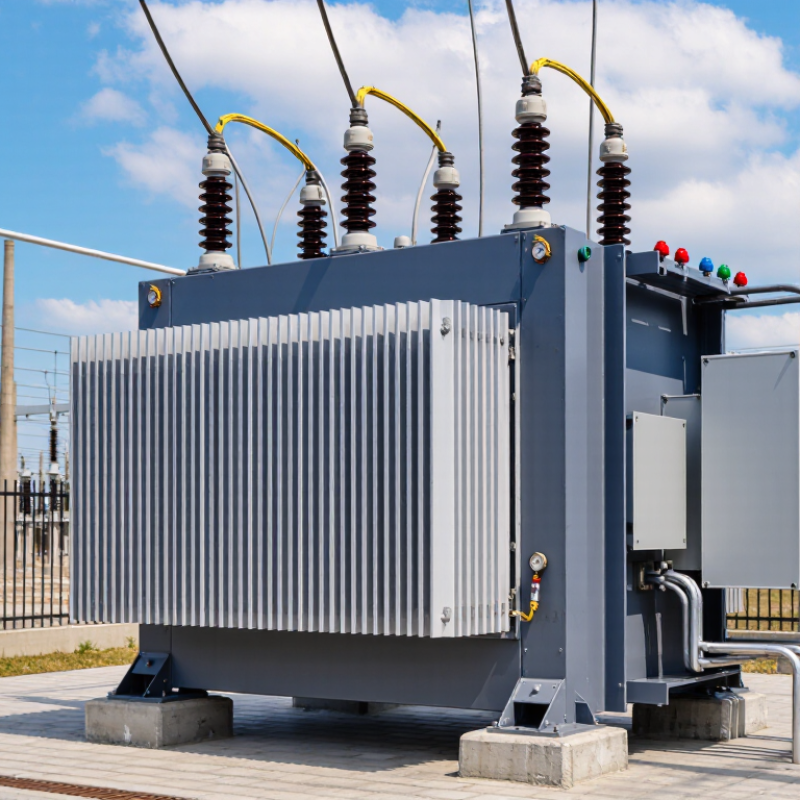
Define the Gateway Transformer’s Application and System Requirements
Before choosing a gateway transformer, define what it must connect and why. Is it linking two voltage levels, isolating sensitive equipment, or feeding a control system? The answer changes the required winding configuration, voltage ratio, and insulation level. Start with the source and load nameplate data. Record nominal voltage, frequency, and expected load in kilovolt-amperes. Then check startup currents from motors or other equipment; steady-state figures alone can be misleading.
Consider the installation, not just the schematic. A transformer in a warm, dusty cabinet may need different cooling and enclosure provisions than one in a clean electrical room. Note available space, ambient temperature, ventilation, and cable-entry direction. Check whether the connected system produces harmonics or frequent load changes, since these can increase heating. Small details matter. Confirm grounding and isolation requirements with the system designer, and compare them with the equipment documentation.
I would not assume that a familiar voltage ratio guarantees compatibility; it does not.
Some site data may also be incomplete, so flag assumptions and verify them before final sizing. That extra check can prevent an undersized unit or an awkward installation.
Identify the Required Transformer Type and Electrical Ratings
Choosing a gateway transformer starts with the job it must perform. Will it isolate two circuits, step voltage up or down, or provide a neutral connection? A dry-type unit may suit a clean indoor electrical room, while a liquid-filled design may fit certain outdoor installations. Confirm the location, ventilation, and maintenance access before deciding. Small details matter.
Next, match the electrical ratings to measured conditions, not assumptions. Record the source and load voltages, phase count, frequency, and expected load in kilovolt-amperes. A three-phase load needs a compatible transformer and connection; a single-phase unit is not a simple substitute. Check the nameplate of connected equipment, then allow for motor starting current, future load growth, and harmonics from electronic devices. Impedance affects voltage drop and fault current, so it deserves careful review. Do not guess.
A practical check is to compare the transformer’s rated capacity with the load during its busiest operating period. A rating that barely covers average demand may run hot during startup or peak use. Ambient temperature, enclosure, and duty cycle can reduce usable capacity. The first load estimate is often imperfect; revisit it when actual operating data becomes available. Have a qualified electrical professional verify the final selection, protective devices, and installation details.
Assess Isolation, Protection, and Equipment Compatibility
A gateway transformer should match the electrical boundary it serves, not just the voltage on its nameplate. Check primary and secondary voltage, frequency, kVA, load profile, and winding connections. Then confirm whether galvanic isolation is required to limit transferred electrical noise or separate grounding systems. A control cabinet beside a variable-speed drive may need different protection from a quiet sensor network. Small details matter.
Review fault protection against the transformer’s impedance, available short-circuit current, and downstream equipment ratings. Confirm that fuses or circuit breakers coordinate with expected inrush current; an undersized device may trip during energization, while an oversized one may not protect wiring adequately. Check enclosure rating, temperature rise, insulation class, and ambient conditions too. Check the ground. A datasheet can look tidy and still leave a grounding mismatch unresolved.
Efficiency also belongs in the decision, especially for equipment that runs continuously. The U.S. Department of Energy’s 2013 distribution-transformer efficiency rule estimated 3.4 quadrillion Btu in cumulative energy savings over 30 years. That national estimate is not a promise for one installation, but it shows why operating losses deserve attention alongside purchase price. Compare tested efficiency data and thermal limits under your actual load. Compatibility is rarely a single checkbox; documenting assumptions can expose gaps before commissioning.
Compare Efficiency, Environment, and Regulatory Requirements
Choosing a gateway transformer starts with the load, not the largest efficiency figure on a datasheet. Estimate normal demand, peak load, and expected operating hours. Then compare efficiency at the loads the unit will actually carry. A transformer that performs well near full capacity may waste more energy when lightly loaded. Small details matter. Ask for loss data and clarify whether figures include cooling equipment.
Environment can change the right choice. A dusty plant room, coastal air, high altitude, or limited ventilation may require different enclosure protection or cooling. Check the expected ambient temperature and installation space before settling on a model. Regulatory requirements also vary by location and application. Confirm applicable efficiency rules, safety standards, testing documents, and installation requirements with the project engineer or local authority; requirements can change, and assumptions are risky.
Tips: Compare total operating cost, not purchase price alone. Check the nameplate, insulation rating, temperature rise, and stated sound level. Keep records of the site conditions and approvals. I would not treat one checklist as complete: unusual loads or harsh environments deserve a qualified engineering review.
Verify Installation, Testing, and Long-Term Maintenance Needs
Before energizing a gateway transformer, confirm that its nameplate voltage, phase, frequency, and tap setting match the actual supply and connected load. Check grounding, cable terminations, clearances, ventilation, and enclosure sealing on site. Small details matter. Record torque checks and baseline insulation-resistance and turns-ratio results, using qualified personnel and suitable test equipment. IEEE C57.152 provides guidance for diagnostic field testing of liquid-immersed transformers; testing should follow the applicable procedure and the unit’s design.
A passing test is only a starting point. Not a guarantee. Keep dated readings so later changes in temperature, loading, insulation resistance, or oil condition are visible rather than guessed. Schedule inspections around duty and environment: dust, moisture, vibration, and repeated overloads can alter maintenance needs. Infrared checks under load can help reveal hot connections; oil sampling may support condition assessment where applicable. The U.S. Department of Energy’s 2024 distribution-transformer rule analysis projects about $15 billion in consumer savings over 30 years, underscoring the long-term value of efficient equipment and sound operating practices. Still, a clean report can be reassuring without being conclusive. Review trends, alarms, and service history together, and revise the maintenance interval when site conditions change.
