How to Choose the Right ACB Circuit Breaker for Your Needs?
Choosing the right Acb Circuit Breaker is crucial for ensuring safety and efficiency in electrical systems. An ACB Circuit Breaker protects your equipment and prevents electrical fires. Understanding your specific needs is key to making an informed decision.
Different environments require different features. For instance, industrial settings may demand robust protection against short circuits and overloads. On the other hand, residential applications might focus more on cost-effectiveness and user-friendliness. It’s essential to analyze your installation site carefully. Consider factors like voltage, current rating, and ambient conditions.
Many people overlook the importance of proper sizing and selection. This can lead to potential failures or inadequate protection. Therefore, consulting with a knowledgeable professional is often beneficial. Their expertise can guide you through technical specifications and regulatory requirements. A well-informed choice can lead to long-term reliability and safety, making it imperative to take this selection process seriously.
Understanding the Basics of ACB Circuit Breakers
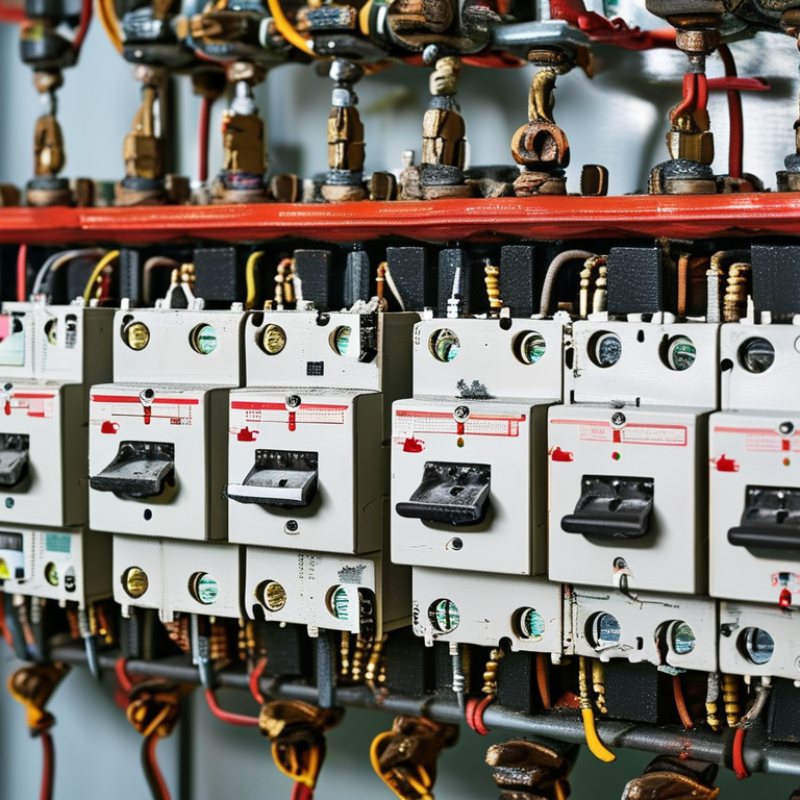
Choosing the right ACB (Air Circuit Breaker) requires understanding its fundamentals. ACBs are crucial in managing electrical systems. They offer protection against overloads and short circuits, ensuring safety and equipment longevity. According to industry reports, the global ACB market is projected to grow steadily by approximately 5% annually. Such growth emphasizes the increasing reliance on effective circuit protection.
ACBs come in various types and sizes. It's essential to evaluate your specific needs. Consider your load requirements and the environment where the ACB will operate. For instance, indoor settings may have different considerations compared to outdoor ones. Many ACBs are rated for specific voltage levels. Using a breaker rated below your system’s voltage can lead to failure.
Tips: Ensure compatibility with your existing equipment. Incompatibility can lead to system inefficiency and even damage. Regular maintenance checks can be beneficial. These checks help identify wear and tear before they become serious problems. Always consult with an electrical professional for insights tailored to your situation. Understanding their mechanisms can help in more strategic planning for upgrades.
Identifying Your Specific Electrical Needs and Applications
When choosing an ACB circuit breaker, understanding your specific electrical needs is crucial. Different applications require different specifications. For instance, industrial settings may demand breakers that handle larger loads, typically rated above 800A. Reports from the International Electrotechnical Commission indicate that nearly 30% of electrical failures stem from inadequate circuit protection.
Consider the environment where the breaker will be installed. Indoor installations may have different humidity and temperature concerns compared to outdoor applications. Additionally, voltage ratings play a significant role. An ACB rated for 400V may not suit applications with higher voltage needs, which can lead to severe failures and safety hazards.
Another essential factor is the breaking capacity. It's vital to match this with the potential short-circuit currents present in your system. Recent studies show that miscalculating this can result in significant downtime and repair costs. If the breaker cannot withstand short-circuit events, not only will the equipment be at risk, but safety could also be compromised. Balancing these considerations intelligently ensures both reliability and safety in your electrical systems.
Evaluating Key Specifications of ACBs: Ratings and Features
Choosing the right ACB circuit breaker requires a thorough evaluation of its specifications. Ratings play a crucial role in ensuring safety and efficiency. Look for the voltage rating that matches your electrical system. This is vital for optimal performance and to prevent system failures. Additionally, consider its current rating. It should align with the expected load to avoid overheating or tripping frequently.
When assessing features, think about the type of protection needed. Some ACBs offer overload and short-circuit protection, while others include ground fault protection. This added functionality enhances safety for critical applications. It's essential to evaluate environmental factors too. If the ACB is exposed to harsh conditions, opt for models with higher durability ratings.
Tips: Evaluate your workspace needs. Ensure the ACB size fits well in your electrical panel. Also, consider ease of maintenance. Maintenance-friendly designs save time and reduce operational downtime. Engage with experts if you feel unsure about selecting an appropriate ACB. Their insights can illuminate important aspects you might overlook.
Comparing Different Brands and Models of ACB Circuit Breakers
When selecting an ACB circuit breaker, it’s crucial to compare different brands and models carefully. Each brand offers unique features and specifications. Some might excel in durability, while others could provide better protection against overloads. It helps to look at user reviews and expert opinions. Feedback from installers can offer insights into reliability and ease of use. Consider the specific requirements of your electrical system.
Different models vary in terms of technology and functionality. Some are designed for heavy industrial use, while others cater to residential needs. Efficiency ratings and trip settings can make a significant difference too. It might be beneficial to analyze the warranty and support provided. This could reflect the company's confidence in their products. Choosing the right circuit breaker involves careful consideration of these factors.
It’s essential to weigh performance against cost. Sometimes, the cheapest option might not meet your long-term needs. There can be trade-offs between price and quality. Assessing your immediate and future needs can help in making the right decision. Discrepancies in design among models can also impact installation and maintenance. Taking the time to reflect on these aspects ensures a more reliable choice in the long run.
How to Choose the Right ACB Circuit Breaker for Your Needs?
| Model | Current Rating (A) | Number of Poles | Tripping Mechanism | Voltage Rating (V) | Applications |
| Model A | 100 | 3 | Electromechanical | 400 | Industrial Equipment |
| Model B | 125 | 4 | Electronic | 450 | Commercial Buildings |
| Model C | 160 | 3 | Thermal Magnetic | 600 | Power Distribution |
| Model D | 200 | 4 | Digital | 690 | Renewable Energy |
| Model E | 250 | 3 | Hydraulic | 800 | Data Centers |
Making an Informed Decision: Installation and Maintenance Considerations
Choosing the right ACB (Air Circuit Breaker) involves more than just understanding specifications; installation and maintenance also play vital roles. According to a report by the International Electrotechnical Commission, improper installation can increase failure rates by up to 30%. It is essential to ensure that the installation follows local electrical codes and manufacturer guidelines. Correct sizing and mounting significantly affect performance and longevity.
Maintenance is another critical aspect that cannot be overlooked. Regular inspections can help in identifying potential issues before they escalate. Studies show that 70% of circuit breaker failures are attributed to insufficient maintenance. Basic actions like cleaning dust and checking connections can prevent costly downtimes. For example, thermal imaging can be employed to detect overheating, a common risk in circuit breakers. Recognizing signs of wear is crucial.
Understanding these facets of installation and maintenance will lead to a more reliable ACB performance. However, training personnel adequately can sometimes be challenging. The lack of skilled technicians can lead to variations in installation practices. Such discrepancies can affect the breaker's functionality and safety. Encouraging continuous education and certifications can help mitigate these risks.
ACB Circuit Breaker Selection: Installation and Maintenance Considerations
