How to Choose the Best Sewer Line Cleaning Machine
Choosing the right Sewer Line Cleaning Machine is a practical decision, not a simple equipment purchase. A blocked line may hide grease, tree roots, sand, or collapsed pipe sections. Each obstruction demands a different cleaning method. A compact drum machine may suit a residential branch line. A trailer-mounted hydro jetter may better serve municipal mains. The wrong choice can waste hours, damage old clay pipes, or leave debris behind.
The U.S. Environmental Protection Agency’s 2022 Clean Watersheds Needs Survey estimated more than $271 billion in wastewater infrastructure needs across the United States. That figure highlights the pressure facing aging sewer networks and maintenance teams. EPA guidance also identifies blockages, roots, and fats, oils, and grease as common causes of sanitary sewer problems. These conditions make equipment selection a field-based decision. Pipe diameter, access distance, water supply, power availability, and blockage type should guide the purchase. Manufacturer claims are useful. They are not enough.
This guide compares cable machines, sectional machines, and high-pressure jetting systems. It considers cleaning capacity, operator control, transport, maintenance, and long-term cost. NASSCO’s sewer maintenance practices and Water Environment Federation guidance both emphasize inspection, safe operation, and appropriate cleaning methods. Those principles deserve attention. A larger engine does not always mean better results. High pressure can also expose weak joints or deteriorated pipes. That risk is easy to overlook. Experienced contractors should review service records, nozzle performance, cable flexibility, and spare-part access before deciding. No machine is perfect. This guide cannot replace a site survey, and some recommendations may need adjustment after real field testing.
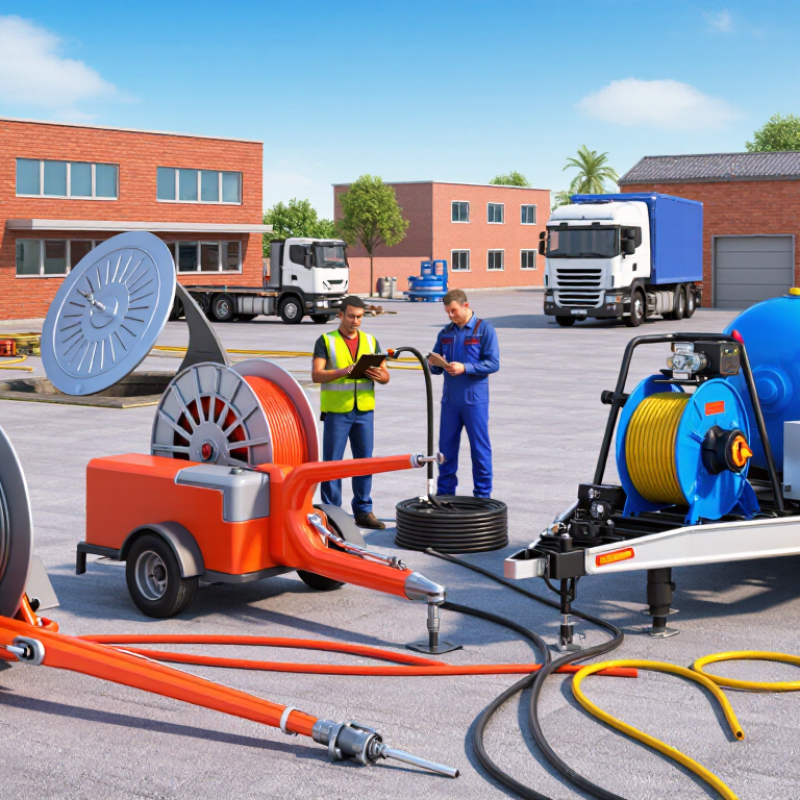
Define the Sewer Line Cleaning Problems the Machine Must Handle
Before choosing a sewer line cleaning machine, define the blockage it must remove. EPA’s 2022 Clean Watersheds Needs Survey estimated $630.1 billion in U.S. wastewater infrastructure needs. That scale reflects aging pipes, restricted access, and varied cleaning conditions. A machine for soft grease should not be judged against one built for hardened scale. Different problems require different force.
Roots need controlled cutting and reliable torque. Grease may require flushing power, water flow, and proper nozzle selection. Mineral scale demands stronger cutting tools, but excessive force can damage fragile pipe walls. A collapsed section is not a cleaning problem. It may require inspection and repair instead. This distinction is easy to miss.
Pipe diameter, length, bends, and access points also define machine requirements. The Water Environment Federation’s collection-system guidance emphasizes preventive maintenance, inspection, and matching equipment to site conditions. ASCE’s 2021 Infrastructure Report Card rated U.S. wastewater infrastructure “D+,” showing why aging systems need careful handling. A large machine may clear a long main quickly, yet fail inside a narrow residential lateral. It happens.
Ask practical questions before comparing specifications: Is the obstruction soft, fibrous, or mineral-based? How deep is the line? Can the equipment reach the blockage without damaging nearby joints? Field experience helps, but records can be incomplete. A previous cleaning may have hidden the real defect. Choose capacity for the actual problem, not the most impressive number.
Evaluate Power, Reach, Capacity, and Compatibility Requirements
Choosing a sewer line cleaning machine starts with the blockage, not the catalog. Power should match pipe diameter, material, and obstruction type. High torque can cut roots, but excessive force may damage brittle clay or weakened joints. In field work, I compare cable strength or jetting pressure with inspection findings. NASSCO’s PACP framework separates structural, operational, and maintenance defects. This helps convert camera evidence into a cleaning decision. Bigger is not always better.
Reach determines whether the operator can clean the full run without relocating equipment. Measure access points, bends, vertical changes, and the longest expected distance. A cable reaching 100 feet may perform poorly after several tight bends. For jetting, compare hose length, nozzle thrust, flow, and recovery capacity. The U.S. EPA’s 2022 Clean Watersheds Needs Survey identified about $630.1 billion in national wastewater infrastructure needs. Efficient maintenance matters more than higher horsepower alone.
Capacity includes cable diameter, drum size, water volume, debris handling, and transport weight. Compatibility deserves equal attention. Confirm pipe sizes, cleanout dimensions, electrical supply, wet-area controls, and attachments before purchase. ASCE’s 2024 Infrastructure Report Card gave U.S. wastewater infrastructure a D+ grade. I still leave room for error. Field measurements can be incomplete, and old drawings can mislead. A short trial on representative lines may reveal more than a confident specification sheet.
Assess Safety Features, Portability, Maintenance, and Operating Costs
Choosing the best sewer line cleaning machine starts with practical job conditions, not advertised power. On a commercial site, inspect the emergency stop, cable guard, ground-fault protection, and stable frame. These features reduce injuries when a cable snags or suddenly reverses. Operators should also check whether controls remain reachable while wearing gloves. Small details matter.
Portability affects daily productivity. A machine with balanced handles, solid wheels, and manageable weight moves more safely across wet floors and narrow access points. Measure stairways and service openings before buying. I once underestimated doorway width, creating unnecessary lifting and setup delays. That mistake changed how I evaluate equipment.
Maintenance should be simple enough for a busy crew to complete consistently. Look for accessible grease points, replaceable cables, clear inspection areas, and readily available service parts. After each use, rinse debris, inspect the cable for kinks, and dry exposed metal. Skipping one inspection can turn a minor defect into expensive downtime.
Operating cost includes electricity, water, labor, replacement cables, and storage. A cheaper machine may consume more time if it clears blockages slowly. Compare expected service intervals and average repair needs, not only the purchase price. Keep a basic maintenance log with operating hours and parts replaced. It may feel excessive at first, but the record reveals the machine’s real cost over time.
How to Choose the Best Sewer Line Cleaning Machine
The reference index compares common sewer-cleaning machine categories across safety, portability, maintenance simplicity, and operating-cost efficiency. Higher scores indicate a more favorable overall characteristic for routine purchasing decisions. Actual performance depends on pipe diameter, blockage type, worksite access, operator training, and service requirements.
Match the Machine to Professional, Commercial, or Residential Use
Choosing a sewer line cleaning machine starts with the work environment, not the motor size. Professional contractors face changing pipe diameters, root intrusion, grease, and long service calls. For them, a sectional machine offers controlled cable handling and strong access in difficult spaces. A drum machine can be faster on repeat jobs, but heavy cables demand careful transport and training. Power is not everything.
Commercial facilities need equipment that tolerates frequent use and varied blockages. Look for durable frames, replaceable cable sections, adjustable feed controls, and safety features. In restaurants, grease may require steady torque and suitable cutting heads. In offices, hospitals, or apartment buildings, quieter operation can reduce disruption. Residential users usually need a compact machine for occasional indoor or outdoor work. A smaller cable size improves handling, though it may struggle with deep roots or thick scale. That limitation matters.
Tips: Confirm the pipe diameter and access point before choosing a machine. Match cable length to the typical run, leaving enough reach without creating storage problems. Ask experienced technicians to test controls, inspect ground-fault protection, and practice cable retrieval. I once underestimated setup time on a narrow property and lost more time than the cleaning itself. Real job conditions can challenge a perfect specification. Record failures, maintenance needs, and operator feedback before upgrading.
