How to Choose the Best Rubber Air Hose for Your Needs?
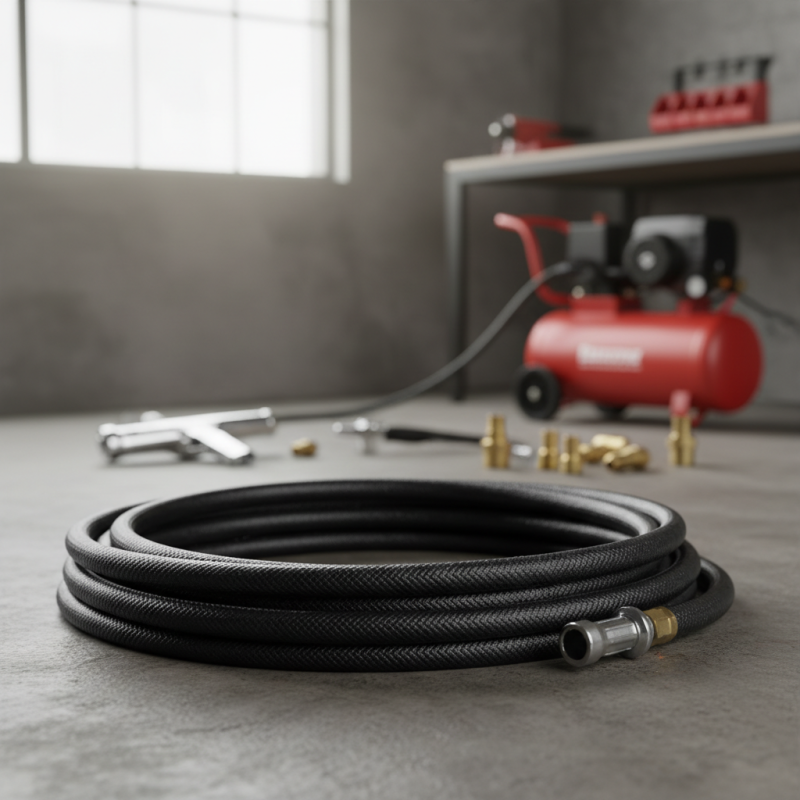
Choosing the right rubber air hose can make a significant difference in various applications. Whether for home use or industrial tasks, finding a suitable hose is essential. Rubber air hoses are known for their durability and flexibility, making them a popular choice.
When selecting a rubber air hose, consider the specific needs of your task. Different hoses are available for various pressure ratings and temperatures. Pay attention to length, as using a hose that is too long can lead to pressure loss. A shorter hose typically maintains pressure better and can be easier to manage.
Remember, the best rubber air hose isn't always the most expensive one. Reflect on your requirements carefully. Often, users discover that their initial choices didn’t meet their expectations. A little research goes a long way. Choose wisely to ensure efficiency and satisfaction in your air compressor tasks.
Understanding Rubber Air Hose Types and Their Applications
When selecting a rubber air hose, understanding the different types is essential. The most common types are lightweight hoses, heavy-duty hoses, and those designed for specific applications like high-pressure systems. Lightweight hoses are easy to maneuver but may not withstand heavy use. Heavy-duty options, although more durable, can be cumbersome in tight spaces. Knowing the right type can save time and frustration.
Applications vary widely. A lightweight hose suits home tasks, like inflating tires or powering small tools. In contrast, heavy-duty hoses are ideal for industrial settings, where durability is key. Some hoses are heat-resistant, making them suitable for environments with extreme temperatures. This specialization shows how important it is to analyze your needs before making a choice.
It’s easy to overlook compatibility with connectors. Not all hoses fit every tool or compressor. Ensuring the right fit is crucial in avoiding inefficiencies. Consider the length, too. An overly long hose can lead to pressure drops, while a shorter one may limit mobility. Balancing these aspects requires attention and sometimes a bit of trial and error.
Key Factors to Consider When Selecting a Rubber Air Hose
Choosing the right rubber air hose involves careful consideration of several key factors. You need to think about the hose's diameter. A larger diameter can carry more air. However, this might make it bulkier and harder to manage. Weigh the benefits of airflow against ease of handling. Another factor is the hose length. Longer hoses provide greater reach, yet they can lead to air pressure loss. Balancing length with pressure efficiency is crucial.
The material quality of the rubber also matters. Look for hoses designed to withstand extreme temperatures and abrasion. A durable hose can last longer, saving you money over time. Check for flexibility as well. Some hoses are stiff and difficult to maneuver in tight spaces. Lastly, consider the hose's fittings. Ensure they are compatible with your tools. Poor connections can cause leaks and reduce performance. Reflect on how often you’ll use the hose. This decision may affect which features are most important to you.
How to Choose the Best Rubber Air Hose for Your Needs?
| Dimension | Material | Working Pressure (psi) | Temperature Range (°F) | Flexibility | Weight (lbs per 50ft) |
| 1/4" x 50' | Rubber | 300 | -40 to 190 | Excellent | 7 |
| 3/8" x 50' | Rubber | 300 | -40 to 190 | Good | 8 |
| 1/2" x 100' | Rubber | 250 | -40 to 190 | Fair | 12 |
| 5/8" x 75' | Rubber | 200 | -40 to 190 | Average | 10 |
Evaluating Hose Length and Diameter for Specific Tasks
When choosing a rubber air hose, evaluating its length and diameter is crucial. The right hose ensures efficiency and convenience for your specific tasks. Industry reports suggest that most air tools operate optimally with hoses measuring between 1/4 inch to 1/2 inch in diameter. Smaller diameters may cause pressure drops, while larger ones can be bulkier and less manageable.
A hose length of 25 to 50 feet is generally suitable for most applications. However, longer hoses can lead to significant pressure loss, especially in pneumatic tools. For instance, a 100-foot hose can reduce air pressure by about 15% compared to a shorter option. When determining length, consider your workspace layout. Too long can result in tangling and excess weight.
Tips: Always measure your workspace before purchasing. A practical approach is to lay out a tape measure in your desired configuration. Additionally, evaluate your air tool's requirements. Selecting a hose that meets those specifications will enhance performance and reduce frustrations. Reflect on previous experiences where hose length may have caused inconvenience. Adjustments can make a significant difference.
Assessing Pressure Ratings and Temperature Resistances
When choosing a rubber air hose, pressure ratings are crucial. These ratings indicate the maximum pressure the hose can withstand. A hose with a higher rating is better for heavy-duty tasks. For general use, a 150 PSI rating may suffice. However, if your air tools require more power, consider hoses rated above 200 PSI. It's essential to ensure your compressor can match these needs.
Temperature resistance is another vital factor. Rubber hoses typically handle a range of temperatures. Some can work well in freezing conditions, while others excel in hot environments. A hose that can withstand high temperatures is necessary for industrial work. If a hose melts or degrades, it can lead to breakage. Consider where you plan to use the hose. Cold weather can affect flexibility. Make sure it remains usable in extreme temperatures.
Sometimes, users overlook these details. Picking a hose just because it looks sturdy can lead to problems. Frequent use without considering the specifics may shorten the hose's lifespan. Take the time to assess both pressure ratings and temperature resistances. This ensures your investment lasts longer and performs better.
Comparing Cost vs. Durability in Rubber Air Hoses
When considering rubber air hoses, cost and durability often come into play. A report from the Rubber Manufacturers Association indicates that higher-priced hoses typically use better materials. This enhances their lifespan, often outlasting cheaper alternatives by two to three times. For instance, a quality rubber air hose can operate efficiently for over 10,000 cycles, while a budget option might only last 3,000.
However, there’s a balance to strike. Many users opt for less expensive hoses to cut initial costs. This approach may result in more frequent replacements. Frequent purchasing adds up, sometimes surpassing the cost of a durable hose. Some experts argue that short-term savings can lead to long-term expenses. Moreover, hoses that lack resilience often develop leaks or cracks faster, making your investment questionable.
It’s essential to consider your specific needs. A hose for light-duty work may not require the same durability as one intended for industrial use. Reflect on the frequency of use and exposure to elements. A thorough evaluation of both cost and durability will guide you towards making a sound decision. The right rubber air hose should not only meet your immediate financial concerns but also support your long-term usage effectively.