How to Choose the Best Melting Furnace for Your Needs?
Selecting the right Melting Furnace is crucial for achieving optimal results in metalworking. A melting furnace can significantly impact your productivity and efficiency. It is essential to consider your specific needs and materials when making this choice.
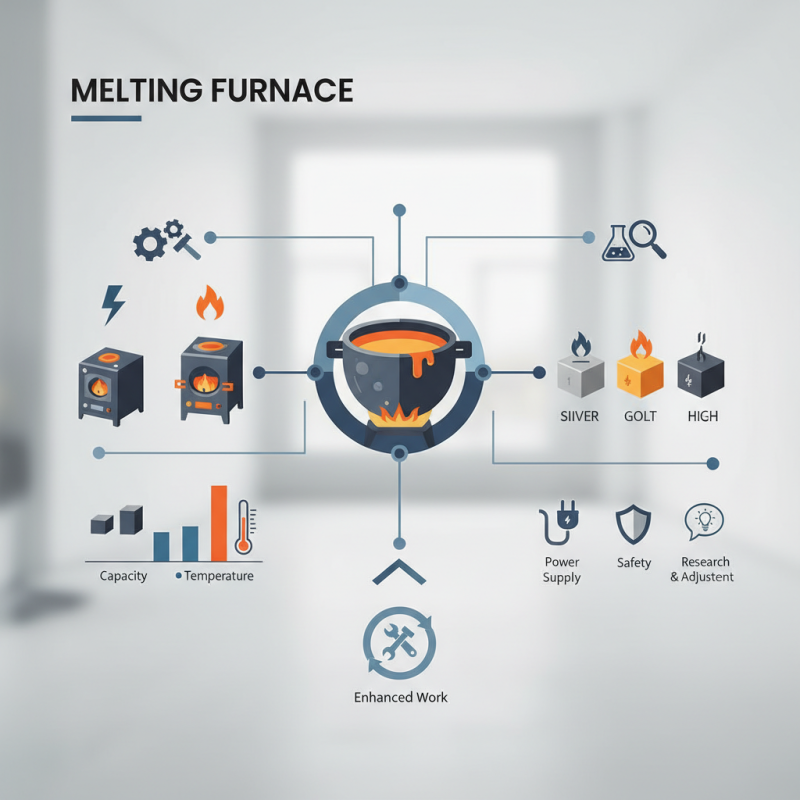
Different melting furnaces offer various capacities, temperatures, and functionalities. For instance, a small workshop may benefit from an electric melting furnace, while larger operations may require gas-fired models. Evaluating factors such as power supply and safety features is vital. Each choice comes with its own set of advantages and disadvantages.
Additionally, understanding your materials' melting points and compositions will guide your decision. It's not just about choosing the most powerful option; it's about finding the best fit for your projects. Investing time in research and consulting with experts can lead to more informed decisions. Ultimately, a suitable melting furnace should enhance your work, but it also requires continual evaluation and adjustment.
Understanding Different Types of Melting Furnaces Available on the Market
When selecting a melting furnace, it's crucial to understand the various types available. Most common are induction, resistance, and crucible furnaces. Induction furnaces use electromagnetic fields to heat metal quickly. They are energy-efficient and offer precise temperature control. However, they can be costly to set up.
Resistance furnaces utilize electric heating elements. They are versatile and suitable for smaller operations. Their simplicity makes them easy to use but less efficient for large volumes. Crucible furnaces are typically used for casting. They rely on a heat source to melt the metal in a crucible. These are good for small batches but may require more manual intervention.
According to industry reports, the global melting furnace market is projected to grow at a CAGR of 5% from 2023 to 2028. This growth is driven by advancements in technology, increasing demand for recyclable materials, and the need for efficient heating processes. When selecting a furnace, it's essential to consider material compatibility and energy efficiency. Each type has pros and cons, necessitating a careful evaluation based on specific needs.
Assessing Your Melting Needs Based on Material and Volume Requirements
When choosing a melting furnace, evaluating your specific melting needs is crucial. Different materials require varied temperatures and environments. For example, aluminum melts at a considerably lower temperature than copper or brass. Assessing the volume you plan to melt is equally important. Smaller projects may only need a tabletop furnace, while larger operations require industrial-scale options.
**Tips:** Always calculate the volume of material before purchasing. Consider your future needs; a furnace too small will limit your work.
Think about the type of melting needed. Will you process metals, glass, or ceramics? Each material has unique properties that affect melting time and temperature. Reflect on your workflow to determine the ideal capacity.
**Tips:** Don’t overlook safety features. Ensure the furnace has appropriate insulation and temperature controls. Investing in safety can save you time and resources later on.
Selecting the right melting furnace involves careful consideration. Take time to reflect on your requirements and make informed choices. Your projects depend on it.
How to Choose the Best Melting Furnace for Your Needs?
| Material Type | Melting Point (°C) | Volume Requirement (liters) | Furnace Type | Recommended Capacity (kg) |
| Aluminum | 660 | 30 | Electrical | 75 |
| Copper | 1085 | 50 | Induction | 100 |
| Gold | 1064 | 20 | Electric | 30 |
| Silver | 961 | 25 | Gas | 40 |
| Lead | 327 | 100 | Crucible | 150 |
Evaluating Furnace Features: Size, Efficiency, and Temperature Control
When selecting a melting furnace, evaluating its features is crucial. Size is a primary consideration. A furnace should fit your workspace and production needs. Larger units often have higher capacity but may consume more energy. According to industry studies, smaller furnaces feature energy efficiencies as high as 80%. This can significantly reduce operational costs over time.
Temperature control adds another layer to the decision-making process. Precision is key in many melting applications. Furnaces with advanced temperature controls ensure consistent results, which is vital for quality assurance. A report from the American Foundry Society highlights that furnaces with digital controllers can reduce temperature fluctuations by up to 10%. This technology can enhance productivity and yield superior product quality.
Efficiency remains a complex topic. While many furnaces promise low energy consumption, it’s essential to evaluate their actual performance metrics. Some models may require more maintenance, leading to hidden costs. Not every furnace will meet your efficiency expectations long-term. Always seek detailed performance data and user testimonials for a well-rounded view.
Melting Furnace Features Comparison
Budget Considerations: Finding a Melting Furnace Within Your Price Range
When selecting a melting furnace, budget is a key factor. Melting furnaces can vary significantly in price. Knowing your budget helps narrow down choices. Small units often offer lower prices. Yet, they may not handle larger jobs effectively. It’s crucial to align your needs with your financial capacity.
Consider the costs associated with operation and maintenance. Higher initial prices may mean better efficiency and lower operating costs. Some furnaces require special utilities, increasing expenses. Don't overlook these factors when looking at models. Reflect on how often you will use the furnace. If it's for occasional use, a less expensive model might be sufficient.
Researching different options can enhance your understanding. Read reviews and seek guidance from experts. Understanding industry standards can provide reassurance. Sometimes, the cheapest option isn't the best. Balance affordability with quality. Investing in a reliable furnace can save money long-term. Aim for a choice that fits both your needs and your budget.
Safety Features and Compliance: Ensuring a Safe Melting Environment
Safety is paramount in any melting operation. A melting furnace must incorporate advanced safety features. Look for automatic shut-off systems. These can prevent overheating and reduce the risk of fire. Emergency stop buttons should be easily accessible. They allow immediate action in case of an issue. Proper insulation is another vital aspect that minimizes heat loss and protects operators.
Compliance with industry standards is essential. Research local regulations related to melting furnaces. Meeting these requirements ensures a safe working environment. Regular inspections are also crucial. They can reveal potential hazards before they become serious. Documenting safety checks provides accountability and can improve safety culture.
Consider the layout of your workspace. Ensure there is adequate ventilation. This reduces the risk of harmful fume accumulation. Training is another critical factor. Regular training sessions for operators on safety protocols can save lives. Inadequate training may lead to accidents. Reflecting on past incidents can guide improvements in safety measures. Always strive for a safer melting environment.
