
Why Choose Brass Pipe for Plumbing Projects?
Brass Pipe remains a trusted option for many plumbing projects because it combines strength, machinability, and resistance to corrosion. But material choice should fit the water, pressure, and installation—not just the budget. The U.S. Environmental Protection Agency defines “lead free” plumbing products by limits on lead content in wetted surfaces. NSF/ANSI/CAN 372 provides a verification standard for that requirement. Check product certification and alloy details before specifying any pipe.
There are practical advantages on site. Brass threads can make secure connections, and the material is easy to machine for fittings and repairs. Still, performance varies with alloy composition and water chemistry. Dr. Marc Edwards, a Virginia Tech civil and environmental engineer known for research on drinking-water systems, offers a relevant caution through his work: plumbing materials must be assessed in the context of the water they carry. That is a paraphrase, not a direct quotation. It matters. Corrosion, scaling, and installation errors can affect even a well-made system.
This guide examines where Brass Pipe performs well, what its limitations are, and which project details deserve closer attention. The Copper Development Association’s technical resources describe copper alloys as recyclable, but recyclability alone does not settle the choice. Consider compatibility, local water conditions, connection methods, and verified product specifications. A careful selection can reduce avoidable maintenance. No pipe is right for every job.
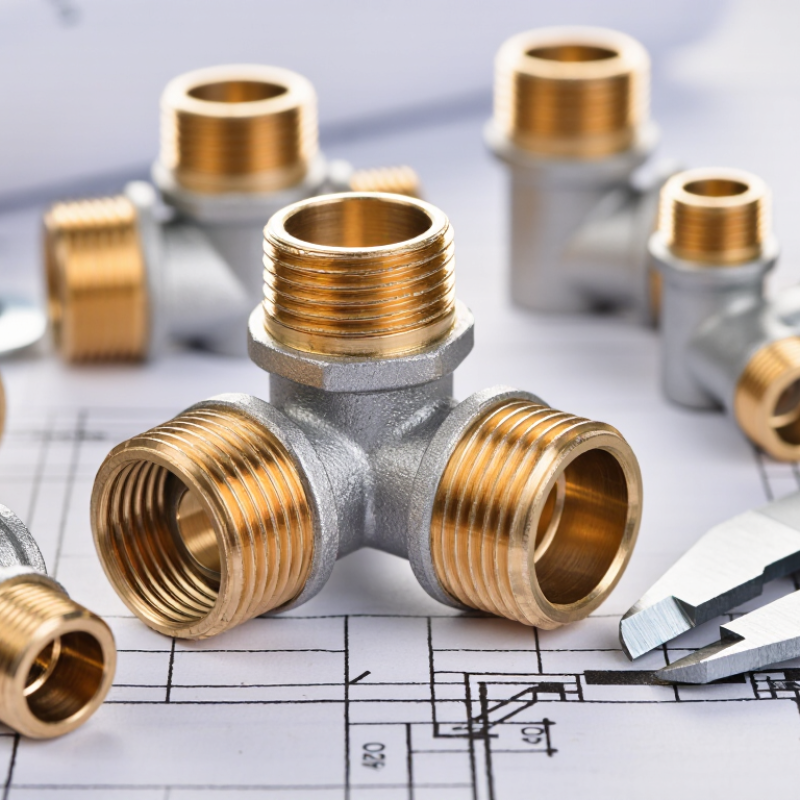
Brass Pipe Composition and Common Types
Brass pipe is made mainly from copper and zinc. The proportions vary by alloy and intended use. Some plumbing alloys also include small amounts of other elements to improve strength or machinability. Lead-free brass is available for potable-water applications, but check the product specification rather than relying on its appearance. Small differences matter. They can affect corrosion resistance, ease of joining, and suitability for a particular water system.
Common types include red brass, yellow brass, and lead-free brass. Red brass contains more copper and is often selected where corrosion resistance is important. Yellow brass typically has more zinc and is common in fittings and general plumbing components. Lead-free alloys are designed for water-contact applications where reduced lead content is required. Brass also appears as rigid threaded pipe, short nipples, and smaller-diameter tubing. These terms are not interchangeable: pipe and tube can use different sizing conventions. At a workbench, matching threads and checking wall thickness can prevent a frustrating mismatch. Color alone is a poor guide. I would compare the alloy, dimensions, and stated application before choosing; even a familiar-looking piece may not fit the job.