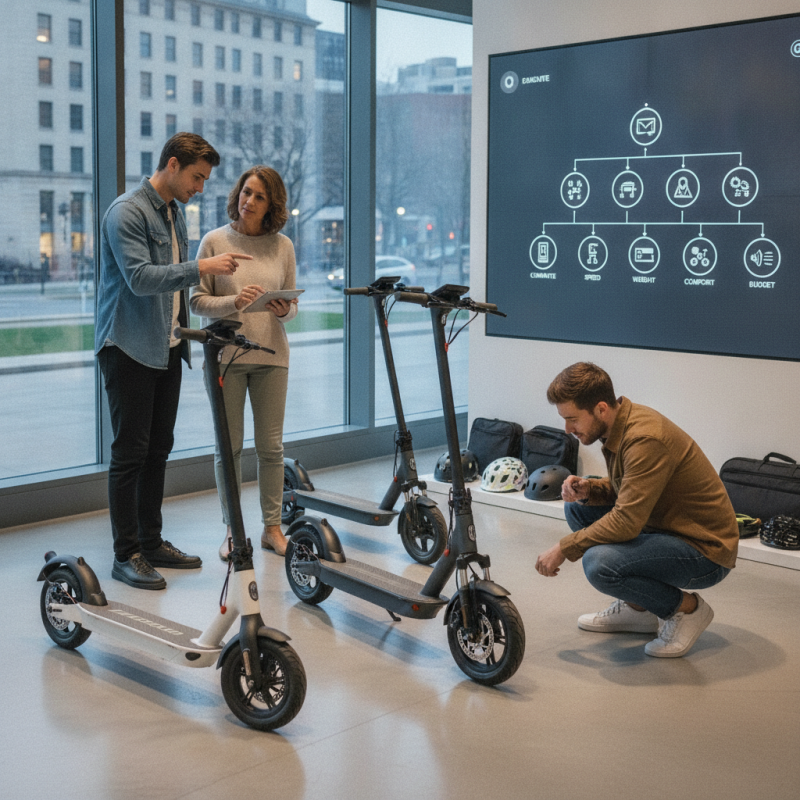
How to Choose the Best Electric Scooter for Your Needs?
Choosing the best Electric Scooter is not a straightforward task. With numerous models available, each offers unique features. Understanding your personal needs is crucial. Do you want a scooter for commuting, leisure, or both? Your answer will guide your choice.
Consider key factors like range, speed, and weight. A longer range provides more freedom for travel. While some scooters are lightweight and portable, others may offer sturdier builds. Comfort and safety are equally important. Evaluate the braking system and tire type to ensure a smooth ride.
It's also worth noting the importance of budget. While expensive scooters may boast advanced features, there are budget-friendly options that perform well. Remember, it is essential to research and read user reviews before making a decision. No one scooter is perfect for everyone, so reflect on your preferences and needs carefully.
Understanding the Different Types of Electric Scooters Available Today
When choosing an electric scooter, understanding the types available is crucial. Electric scooters come in various designs and functionalities to meet diverse needs. Most common types include commuting scooters, off-road scooters, and performance scooters. According to a 2023 market report, urban commuting scooters account for approximately 45% of sales due to their practicality and lightweight design.
Commuting scooters typically weigh around 26 pounds and can travel 15-20 miles on a single charge. They often have a top speed of 15 mph. For those seeking adventure, off-road scooters are built with robust tires and suspension systems. These models usually have larger batteries, allowing them to traverse rough terrains. They often hold about 65% of the battery's charge, suitable for longer rides.
Performance scooters are designed for speed enthusiasts, reaching up to 30 mph. These scooters feature advanced technology, ensuring a smoother ride. However, they can be intimidating for new riders. Each scooter type has strengths and weaknesses. Consideration of personal needs is essential before making a purchase. For instance, urban riders might prioritize portability, while adventurous users could focus on durability and speed. Balancing these aspects can lead to the ideal choice.
Comparison of Electric Scooter Types Based on Max Speed
Evaluating Key Specifications: Range, Speed, and Weight Capacity
Choosing the right electric scooter involves evaluating key specifications like range, speed, and weight capacity. Range is crucial. It determines how far you can travel on a single charge. Most scooters offer a range from 15 to 40 miles. Consider your daily commute and how often you can charge your scooter. A longer range is beneficial, but it often adds to the cost.
Speed plays a significant role as well. Electric scooters generally have speeds ranging from 10 to 30 mph. Think about where you'll ride. High speeds can lead to safety issues in crowded areas. It's essential to strike a balance between speed and safety. Also, don't overlook the importance of weight capacity. Scooters can usually hold between 150 to 300 pounds. If you're on the heavier side or carrying additional items, ensure the scooter can handle it without compromising performance.
Assessing these specifications can be tricky. You might find some scooters fall short in one area while excelling in another. Always test the scooter before purchasing. Consider your comfort and how it feels during a ride. Remember, there’s often more to discover beyond the numbers.
Assessing Safety Features: Brakes, Lights, and Stability Requirements
When considering electric scooters, safety features are paramount. Effective brakes can prevent accidents. Look for scooters with both mechanical and electronic brakes. This combination offers extra reliability in emergencies. Transitioning from speed to a complete stop quickly is crucial for safety.
Lights are another essential piece of equipment. Bright front and rear lights increase visibility at night. Reflective materials on the scooter enhance safety as well. Testing the light output before making a decision is advisable. How well do the lights perform in low visibility?
Stability is often overlooked but vital. A wider wheelbase provides better balance, especially for novice riders. It's also important to choose a scooter that suits your weight. Heavier riders may experience instability with lightweight models. Reflect on your own needs and environment. Think about where you will ride most often. A sturdy, reliable scooter can significantly enhance your riding experience.
How to Choose the Best Electric Scooter for Your Needs? - Assessing Safety Features: Brakes, Lights, and Stability Requirements
| Feature | Low Range | Medium Range | High Range |
| Brakes Type | Mechanical disc brakes | Hydraulic disc brakes | Regenerative braking + Hydraulic disc brakes |
| Light Type | Basic front light | LED front light + rear reflector | Adjustable LED lights + brake lights |
| Stability Requirements | Two wheels, standard width | Wider tires for better grip | Stability control systems + larger wheel size |
| Weight Limit | 100 kg | 120 kg | 150 kg |
| Suspension | No suspension | Front suspension | Full suspension |
Analyzing User Needs: Commuting, Recreation, and Terrain Considerations
When choosing an electric scooter, understanding user needs is crucial. Many riders use scooters for commuting. According to a study by the National Association of City Transport Officials, approximately 26% of e-scooter trips are for commuting purposes. These users usually prioritize range and battery life. A scooter with a minimum range of 20 miles is often ideal.
Some individuals seek electric scooters for recreational purposes. They enjoy leisure rides in parks or neighborhoods. For this group, comfort and speed are significant factors. Scooters designed for recreational use often feature wider wheels and enhanced suspension systems. Users should consider weight limits as well. Many scooters have a maximum weight capacity of around 220 pounds, which can limit options for heavier riders.
Terrain plays a vital role in scooter selection too. Users in hilly regions will need scooters with stronger motors. A motor of at least 350 watts is recommended for handling steep inclines. Riders in urban settings may benefit from lightweight models that are easy to maneuver in crowded places.
Tips: Always test ride before purchasing. This ensures comfort and handling match your needs. It’s also wise to read reviews and check user feedback. Understanding common issues can inform your choice better.
Budgeting for Your Electric Scooter: Costs and Long-term Maintenance Factors
When choosing an electric scooter, budgeting is crucial. The initial purchase price is only one aspect. Maintenance, repairs, and parts can add up over time. A scooter may seem affordable upfront, but hidden costs can emerge. Battery replacements, tire maintenance, and brake inspections are factors to consider.
Tips for budgeting wisely: Estimate yearly expenses based on usage. Consider how often you'll ride. Daily commuters may need higher-quality models. Avoid models with unclear warranties. Look for reviews focusing on long-term performance. A scooter's longevity plays a major role in overall costs.
Additionally, think about insurance and potential registration fees. These can vary significantly based on location. Some places require more paperwork than others. Check the local regulations to avoid unexpected expenses. Investing time in research now can prevent costly mistakes later. Choose wisely, as the right scooter should meet both your budget and needs.