How to Choose the Best Container Generator for Your Needs?
Choosing the right Container Generator for your specific needs can be a daunting task. The global generator market is projected to reach $26 billion by 2027, highlighting the importance of this decision. Container Generators are becoming increasingly popular due to their portability and versatility. They are ideal for various applications, from construction sites to outdoor events.
However, not all Container Generators are created equal. Understanding your power requirements is the first step. A report from the International Energy Agency indicates that demand for reliable power solutions is growing. Users must consider factors such as output capacity, fuel type, and runtime.
It's crucial to reflect on your unique usage scenarios and environments. What works for a construction site may not suit a festival. Many users overlook maintenance factors, which can affect reliability. Selecting a Container Generator is not just a purchase; it’s an investment in your project’s success. Consider all these elements carefully to make an informed decision.
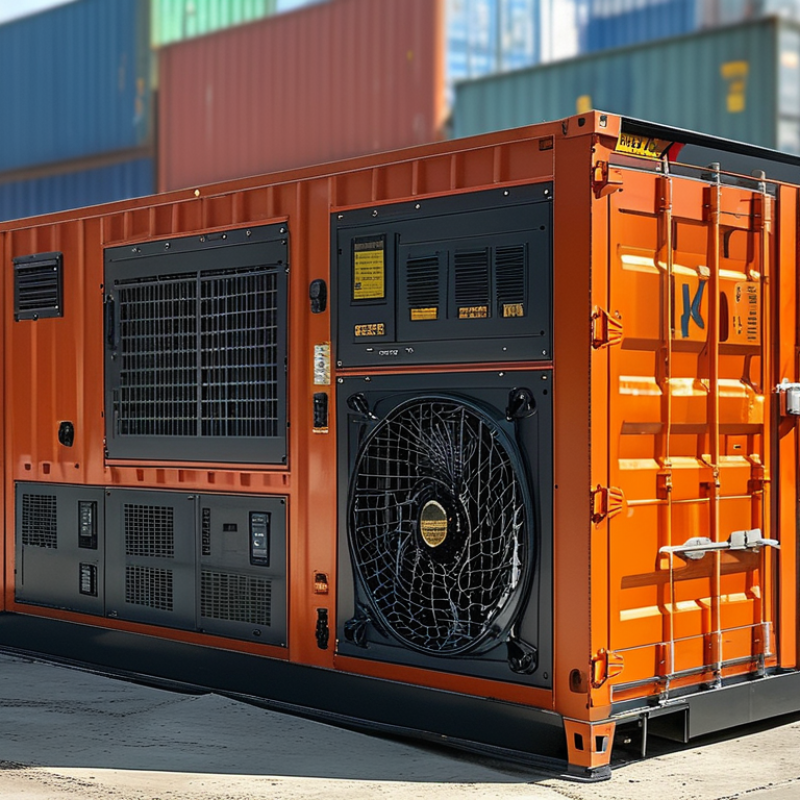
Understanding Your Power Needs and Requirements
When selecting a container generator, understanding your power needs is crucial. Assess your energy consumption carefully. According to industry reports, the average household runs on about 800-1,500 watts. For commercial applications, this can soar to several kilowatts. Knowing your total wattage requirement helps in choosing the right generator size.
Consider peak and running wattage. Many appliances, like refrigerators or power tools, require extra power to start. Recent data shows that a generator must handle at least 20% more than your running wattage for effective performance. Ignoring this can lead to insufficient power supply and equipment damage.
Evaluate your fuel preference as well. Diesel generators generally offer longer run times than gasoline options. They are often more efficient, too, using less fuel per hour. Also, think about maintenance and service availability in your area. Reliable service can minimize downtime during critical operations. Take time to reflect on these factors. A generator that meets your needs today may not suit future requirements.
How to Choose the Best Container Generator for Your Needs?
| Feature | Description | Ideal Use Case |
| Power Output | Measured in watts; indicates the total power the generator can supply. | Home backup, construction sites, outdoor events. |
| Fuel Type | Common types include gasoline, diesel, propane, or natural gas. | Depends on availability and cost; choose based on convenience. |
| Run Time | Duration the generator can run on a full tank of fuel. | Extended use for events, emergencies, or projects. |
| Noise Level | Measured in decibels (dB); important for residential areas. | Camping, outdoor events, or residential applications. |
| Portability | Weight and design that facilitate easy transport. | Job sites, disaster recovery scenarios. |
| Price Range | Cost varies with features, brand, and specifications. | Budget planning for personal or business use. |
Types of Container Generators Available in the Market
When selecting a container generator, understanding the types available is crucial. There are two main categories: portable and standby generators. Portable generators are often favored for their flexibility. They can be easily moved to various sites, making them ideal for construction or outdoor events. These generators typically have lower power output, but they can be sufficient for basic needs like lighting and small tools.
Standby generators, on the other hand, offer a permanent solution. They are installed directly at the location and are connected to the electrical system. These generators kick in automatically during a power outage, providing a seamless transition. This type is suitable for businesses requiring continuous power and homeowners who want peace of mind. However, they come with a higher installation cost and require regular maintenance, which can be a drawback.
Consider your specific requirements carefully. Assess the power needs, mobility, and installation options. Reflect on your potential usage. Do you need power occasionally or do you require backup for critical operations? Every choice has trade-offs, and understanding these can guide you in making an informed decision.
Key Features to Consider When Choosing a Generator
When selecting a container generator, pay attention to key features that align with your specific needs. Start by evaluating the power output. Ensure it can handle your intended load. A generator with insufficient power will lead to performance issues. Look for one that provides adequate surge watts alongside its running watts.
Consider fuel source options. Diesel generators are known for their durability and efficiency. However, propane and natural gas may be more accessible depending on your location. Assessing your fuel availability will help in making a well-informed decision. Portability is another aspect to think about. Choose a generator that is easy to move if frequent relocation is needed.
Tip: Always check for noise levels. Some generators run quietly, which is great for residential areas. Others may produce loud noises that lead to disturbances.
Review safety features such as automatic shut-off systems. These prevent overloading and enhance operational safety. Compact design can also be a space-saver, especially in smaller locations.
Tip: Don’t overlook customer reviews. They often provide insights into real-world performance and reliability. This feedback can highlight potential drawbacks that you may not have considered initially.
Comparison of Key Features in Container Generators
Evaluating Budget and Operating Costs for Container Generators
Choosing the right container generator hinges on more than just power needs. Evaluating budget and operating costs plays a crucial role. Operating costs can vary widely. Fuel efficiency, maintenance, and repair expenses should all be in your calculations. Understanding these factors can save you money in the long run.
Tips: Always check the fuel consumption rate before purchasing. An inefficient generator can greatly increase your operating costs. Look into algorithms for estimating maintenance needs over time. This kind of analysis can streamline your budget planning.
Consider hidden costs too. Transportation, insurance, and potential site preparation should not be overlooked. These can add up quickly and affect your overall budget. Sometimes, cheaper initial prices lead to higher long-term costs. Balance your choices with diligence and knowledge. Reflect on what works best for your situation.
Maintenance Tips for Optimal Performance and Longevity
Maintaining a container generator is essential for optimal performance. Regular checks can prevent problems before they arise. First, inspect the oil and fuel levels regularly. Make sure to refill or replace them as needed. Old filters can clog and reduce efficiency. Change the air and fuel filters according to the manufacturer’s guidelines. Ignoring these can lead to costly repairs later.
Cooling systems are often overlooked. Debris can accumulate in radiators and block airflow. Cleaning these areas can improve engine cooling and extend life. Also, pay attention to battery health. A weak battery can lead to start-up issues. Test it regularly and replace it if it shows signs of wear.
Noise can be a sign of a problem. Unusual sounds could indicate internal issues. If you hear something strange, investigate immediately. Don’t wait until it breaks down. Regular maintenance may not always solve every issue, but it enhances reliability. Even experienced users can forget small details. Keeping a checklist can help maintain focus.
