
How to Choose a Front Motorcycle Spoke Wheel
Choosing a Front Motorcycle Spoke Wheel involves more than matching a style or finish. The right wheel must suit your motorcycle’s specifications, intended use, and existing components. Fit matters most. A polished rim can still be the wrong choice if its hub, axle diameter, brake mounting points, or offset do not match your bike.
Start with the owner’s manual or manufacturer’s fitment information. Confirm the wheel diameter and width, spoke count, hub design, and brake compatibility before buying. Then consider where and how you ride. A wheel used on rough roads may face different demands from one used mainly on smooth pavement. Spokes also need regular inspection: look for visible damage, corrosion, or unusual looseness, and follow the maker’s guidance for maintenance. Small details count.
Material and construction affect weight, durability, and upkeep, but claims vary by product. Check the wheel’s documented specifications, warranty, and compatibility notes rather than relying on appearance alone. If you are unsure about sizing or installation, ask a qualified motorcycle technician to verify the fit. I would not guess from a photo; even similar models can have different wheel requirements. A careful choice can help preserve handling and braking performance, though no wheel can compensate for worn parts or poor maintenance. The aim is a suitable, dependable fit—not simply the most striking wheel.
Identify Your Motorcycle’s Front Wheel Specifications
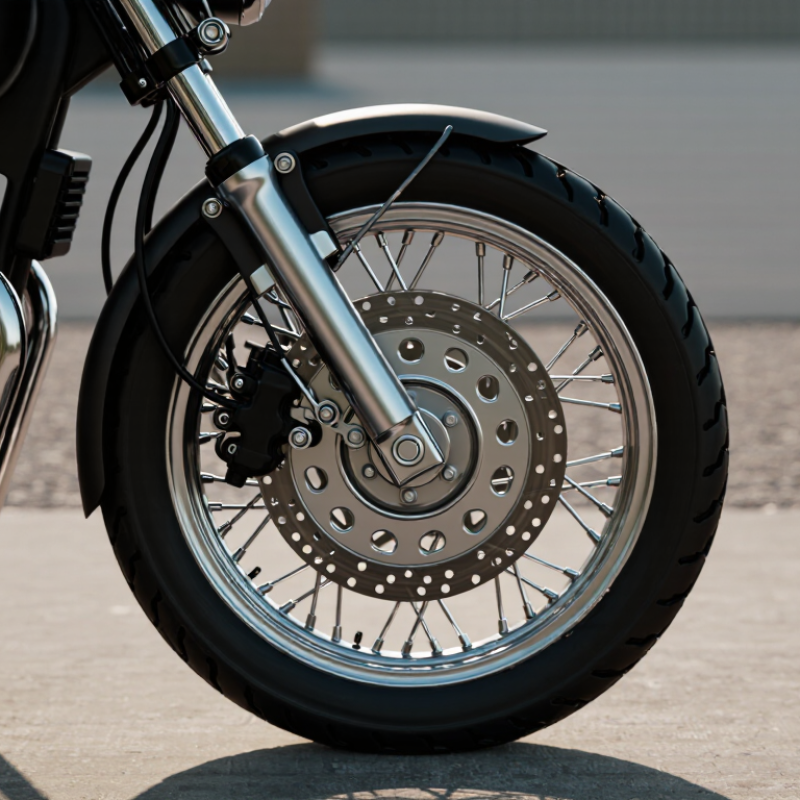
A front spoke wheel must match more than the tire’s diameter. Identify your motorcycle’s exact year and model, then check its owner’s manual or service information. Record the wheel diameter and rim width, axle diameter, and hub width. These measurements determine whether the wheel can fit securely between the fork legs.
Tips: Count the spokes and note the hub’s brake mounting style. Check the rotor position, wheel offset, and speed-sensor or spacer arrangement, if fitted. A ruler can help, but use calipers for axle and hub measurements. Small differences matter.
Also confirm the tire size and whether the wheel is designed for a tube or tubeless setup. Compare the replacement wheel’s specifications with the original, not just its appearance. If measuring a wheel already on the bike, remove dirt around the axle and hub first; grime can hide edges and lead to a poor reading. I have found that handwritten measurements are easy to mix up, so label each value and verify it once more. If any dimension or brake alignment is unclear, ask a qualified motorcycle technician to check compatibility before installation.