
How to Choose the Best Off Grid Solar System in 2026?
In 2026, choosing an Off-Grid Solar System means matching equipment to your daily life, not just buying the largest battery. Start with a realistic load list: a refrigerator, well pump, lights, router, and the occasional power tool. Note each appliance’s running and startup demand. Small details matter. A pump that runs briefly can still require a powerful inverter.
Next, compare usable battery capacity, solar-panel output, inverter ratings, and backup options as one connected system. Ask how many cloudy days the design can cover, and whether future loads can be added. Battery capacity on a brochure may not equal energy you can comfortably use. That distinction is easy to miss. Check the assumptions behind every estimate, including seasonal sunlight and your actual consumption records.
A dependable choice should include clear equipment specifications, credible warranties, monitoring, and support from a qualified solar professional. Ask for an explanation of system sizing in plain language, not only a polished sales estimate. If possible, review a detailed load calculation before committing. Real homes rarely follow perfect spreadsheets; habits change, and estimates can be wrong. Leave some room for that uncertainty. This guide explores the practical trade-offs behind cost, reliability, and expandability, so you can judge which setup fits your site and priorities. There is no universal best system—only a well-matched one.
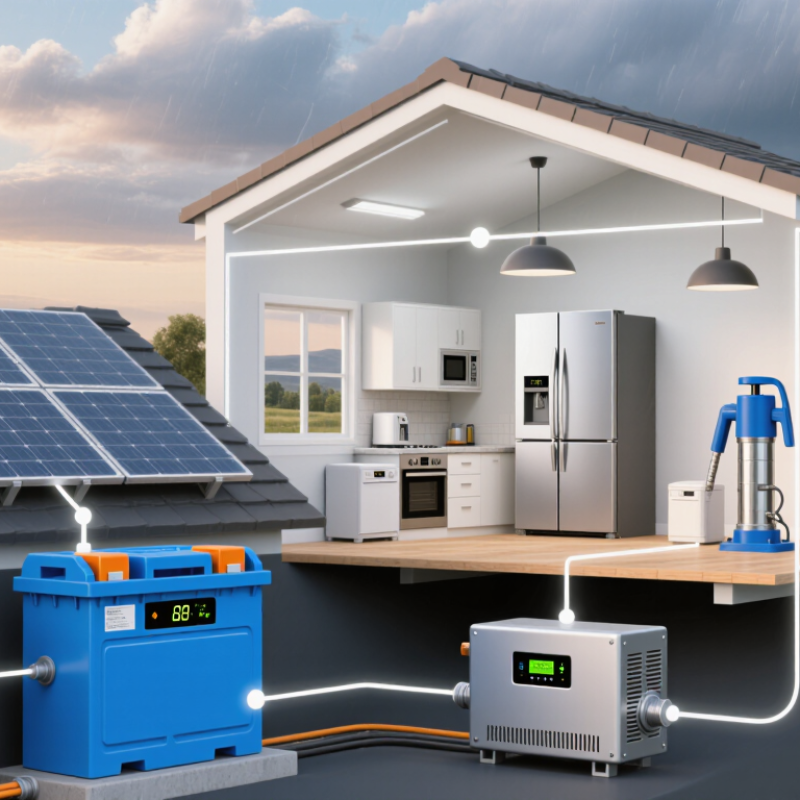
Define Your Off-Grid Power Needs and Usage Patterns
Before selecting an off-grid solar system, list the devices you expect to run and how long you use each one. A refrigerator may draw modest power but operate all day, while a kettle uses much more power for only a few minutes. Record each appliance’s wattage and daily hours, then estimate its energy use in watt-hours. Add the figures to find your typical daily demand. Check startup surges too; pumps and some refrigerators briefly need extra power.
Your schedule matters as much as your total. Note which loads run after sunset, when panels are not producing electricity. A cabin used mainly on weekends may need a different battery plan from a home occupied every day. Track usage for at least a week, including cloudy days and seasonal changes. My first estimates would be too optimistic if they ignored winter lighting and longer indoor hours. Leave room for uncertainty.
Tips: Photograph appliance labels, and note when several devices run together. Separate essential loads, such as a refrigerator or medical equipment, from optional ones. Small details count. A pump cycling overnight can change the battery capacity you need.