Icon about-block-ico-1 Icon about-block-ico-2 Icon about-block-ico-3 Icon about-block-ico-4 Icon announcement-close Icon arrow-left Icon arrow-right Icon arrow-sm Icon asterisk Icon banner-transparent-vector Icon btn-callback-ico Icon careers-item-location Icon careers-item-time Icon careers-item-type Icon careers-mail-ico Icon careers-phone-ico Icon careers-search-ico Icon careers-single-hero-vector Icon careers-single-more-vector Icon careers-vector Icon check Icon close Icon dfm-image-left-vector Icon dfm-image-right-vector Icon document Icon download-popup-vector Icon dropdown Icon envelope Icon facebook Icon faq-banner-bg Icon faq-title-ico-active Icon faq-title-ico Icon featured-links-block-bg Icon figure-1 Icon figure-10 Icon figure-11 Icon figure-12 Icon figure-13 Icon figure-14 Icon figure-15 Icon figure-2 Icon figure-3 Icon figure-4 Icon figure-5 Icon figure-6 Icon figure-7 Icon figure-8 Icon figure-9 Icon file-upload Icon form-sidebar-back Icon form-step-done Icon gmap-marker-group-icon Icon gmap-marker-icon Icon header-profile-ico Icon instagram Icon link Icon linkedin Icon loader Icon mail Icon phone Icon play-yt Icon play Icon post-nav-arr-left Icon quote-banner-vector Icon quote-block-aside-vector Icon quote-contact-phone-ico Icon quote-contact-position-ico Icon sidebar-location Icon sidebar-phone Icon technology-banner-nav-left-vector Icon technology-banner-nav-right-vector Icon twitter Icon webinar-item-date-vector Icon whitepaper-img-ico-left Icon whitepaper-img-ico-right Icon whitepapers-listing-banner-ico Icon whitepapers-single-aside-vector Icon youtube Icon yt-play-button

China Top 10 Natural Gas Steam Boiler Manufacturers

China has a broad industrial boiler sector, with manufacturers serving factories, hospitals, food processors, and other facilities. Choosing a supplier takes more than comparing prices or advertised output. A Natural Gas Steam Boiler must match the plant’s steam demand, operating schedule, fuel supply, and installation conditions. Small details matter. Feedwater quality, burner controls, and routine maintenance can all affect reliable operation.

This guide introduces ten Chinese manufacturers and the products and services buyers may wish to examine. It considers practical factors such as rated capacity, pressure range, thermal efficiency, emissions-control options, automation, certification, and access to spare parts. These details help readers prepare better questions for suppliers. For example, ask how a boiler responds to changing loads, what service support is available locally, and which operating data can be verified.

The list is intended as a starting point, not a universal ranking. Manufacturer information and product specifications can change, while a suitable model depends on site-specific requirements. Buyers should confirm technical claims directly, review applicable test documents, and assess references from comparable installations. A brochure cannot show everything. Comparing quotations on the same technical basis may take time, but it can reveal important differences in scope, commissioning, and long-term support. No single brand is right for every plant, and that is worth keeping in mind.
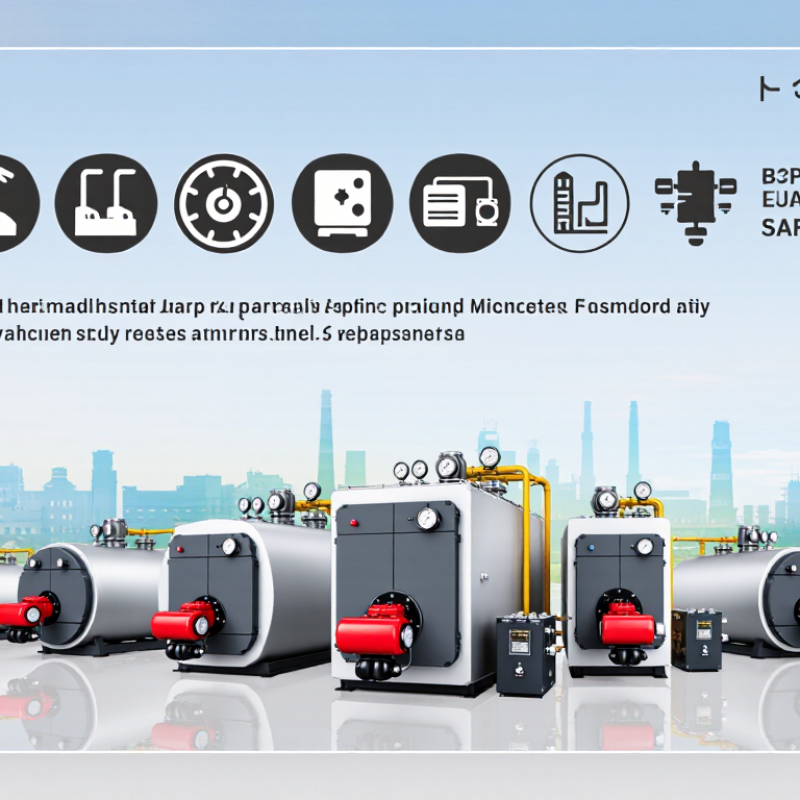
China Top 10 Natural Gas Steam Boiler Manufacturers

Natural Gas Steam Boilers and Their Role in China’s Industrial Sector

Natural Gas Steam Boilers and Their Role in China’s Industrial Sector

Natural gas steam boilers supply process heat for food production, textiles, chemicals, and manufacturing. Their job is practical: turn treated water into dependable steam for cleaning, drying, heating, or production lines. In a boiler room, stable pressure matters as much as peak output. A brief pressure drop can disrupt a batch or leave equipment waiting.

China’s industrial demand makes fuel choices significant. The IEA’s Gas Market Report, Q1-2024, estimated that Chinese natural gas demand grew by about 7% in 2023, making China a major contributor to global demand growth. That figure describes all gas use, not boiler consumption alone. The distinction matters. Still, it shows why fuel availability and price can shape decisions about industrial steam systems.

Compared with coal-fired equipment, gas boilers can reduce on-site particulate emissions and often respond quickly to changing loads. They are not automatically low-impact. Combustion still releases carbon dioxide, while efficiency depends on sizing, burner tuning, water treatment, and maintenance. A boiler running far below capacity may waste fuel. Operators should review measured steam demand, condensate return, and exhaust temperature before selecting equipment. Real operating data can be imperfect, but it is better than relying on nameplate ratings alone.

China Top 10 Natural Gas Steam Boiler Manufacturers - Natural Gas Steam Boilers and Their Role in China’s Industrial Sector

Manufacturer-neutral industry overview: the entries below compare common natural-gas steam-boiler configurations and industrial applications in China. They are not company rankings or product specifications.

No. Boiler Configuration or Application Typical Steam Capacity Typical Operating Pressure Industrial Role Key Selection Consideration
1 Packaged fire-tube steam boiler Approximately 1–20 tonnes per hour Commonly about 0.7–2.5 MPa Provides process steam for food processing, textiles, commercial laundry, and light manufacturing. Suitable where demand is relatively steady and a compact, factory-assembled unit is preferred.
2 Water-tube industrial steam boiler Typically selected for medium to large steam loads; capacity is project-specific Designed to suit the required process pressure Supplies steam to larger plants, including chemical, paper, and building-material facilities. Evaluate load changes, required steam conditions, installation space, and applicable boiler-safety requirements.
3 Modulating burner boiler system Depends on the boiler and burner combination Depends on the process design Matches fuel input more closely to changing steam demand in facilities with variable production schedules. Check burner turndown, control integration, and the frequency of low-load operation.
4 Multiple-boiler, staged system Combined capacity is determined by the number and size of units Set to meet the plant’s steam-header requirements Serves plants that need flexible capacity or continued steam supply during maintenance of an individual unit. Consider sequencing controls, standby strategy, header design, and actual peak and minimum loads.
5 Boiler with economizer Depends on the base boiler capacity Depends on the boiler and steam system Uses heat from flue gas to preheat feedwater, reducing the heat the boiler must supply. Confirm flue-gas conditions, feedwater arrangement, corrosion limits, and the expected operating hours.
6 Condensing gas-boiler system Depends on system design and steam demand Application-specific Can recover additional heat when suitable low-temperature return water is available. Condensing performance depends on return-water temperature and system design; it should not be assumed for every steam plant.
7 Food and beverage process-steam system Set according to production lines and cleaning requirements Set by process equipment and distribution requirements Supports cooking, heating, pasteurization, washing, and other thermal processes. Assess steam quality, peak demand, condensate return, and any process-specific hygiene requirements.
8 Textile and dyeing steam system Set according to the number and operating pattern of production machines Set according to equipment and process requirements Provides heat for dyeing, finishing, drying, and related textile operations. Demand may vary by production batch; assess load profile, distribution losses, and condensate recovery.
9 Paper and pulp process-steam system Usually engineered for the individual plant’s continuous process load Set according to process equipment and steam network design Supplies heat for pulp processing, paper drying, and other mill operations. Continuous-duty operation makes reliability, maintenance planning, and heat recovery important considerations.
10 Chemical and pharmaceutical process-steam system Project-specific, based on process demand and plant layout Set according to the required process conditions Provides heat for reactors, tank heating, cleaning, and other process operations. Confirm steam-quality requirements, process safety interfaces, control needs, and relevant regulatory compliance.

Capacity and pressure ranges are indicative screening references, not guaranteed specifications. Actual requirements vary with the process, boiler design, fuel conditions, site regulations, and the applicable Chinese standards and safety rules. Final equipment selection should be based on a site-specific engineering assessment.

Criteria for Selecting China’s Leading Boiler Manufacturers

When comparing China’s natural gas steam boiler manufacturers, look beyond production capacity and catalog ratings. Ask for operating data at the steam pressure and output your site actually needs. Check thermal efficiency test conditions, fuel consumption, emissions data, and the method used to verify each figure. Details matter. A result without test conditions is difficult to compare fairly.

Tips: Request a sample inspection report, material traceability records, and clear warranty terms. Confirm which commissioning and spare-parts services are available for your location. Keep the answers in writing.

Assess engineering quality through practical evidence. Review drawings, pressure-part materials, welding inspection records, burner controls, and safety interlocks with a qualified engineer. Ask how the supplier handles load changes, water-quality requirements, and routine maintenance. A polished brochure is not proof; independent checks and customer references can reveal gaps. Some buyers focus heavily on purchase price, and that can be understandable, but installation, fuel use, and downtime also affect the long-term cost. Compare proposals using the same operating assumptions, and allow time to verify details before choosing a manufacturer.

Profiles of China’s Top 10 Natural Gas Steam Boiler Manufacturers

Profiles of China’s Top 10 Natural Gas Steam Boiler Manufacturers

China’s natural gas steam boiler market includes manufacturers with different strengths, rather than one universal supplier type. One profile is the large industrial producer, often equipped for high-capacity units and demanding production schedules. Another focuses on regional customization, adjusting layouts to fit cramped boiler rooms. A third builds modular systems that can be installed in stages. A fourth emphasizes higher-pressure equipment for process applications. A fifth serves food and beverage plants, where stable steam and straightforward cleaning matter. A sixth develops systems for pharmaceutical facilities, with careful attention to control and documentation. Details matter. These capabilities need checking against the actual site, not just a product sheet.

Other profiles include export-oriented manufacturers familiar with overseas project requirements, and retrofit specialists who replace older units while reusing suitable pipes or controls. Some manufacturers prioritize combustion efficiency and heat recovery; others invest more in automation, alarms, and remote monitoring. The tenth profile may stand out through dependable commissioning and after-sales support, especially where local technicians are available. Ask for operating references, fuel-consumption figures, pressure-vessel documentation, and service response times. A polished brochure is not proof of field performance. Even a technically strong boiler can disappoint if water treatment, installation, or operator training receives too little attention. Rankings can also be misleading: capacity, efficiency, and support matter differently for each buyer.

Comparing Boiler Technologies, Capacity, Efficiency, and Certifications

Comparing China’s leading natural gas steam boiler manufacturers means looking beyond output claims. Fire-tube designs are often suited to compact installations and steady, moderate steam demand. Water-tube designs can support higher pressures and larger capacities, but usually require more involved system planning. Burner modulation, control response, and access for maintenance matter too. Small details matter.

Capacity should match the site’s real load, not just its peak estimate. A boiler that runs far below its rated output may cycle frequently and waste fuel. Ask for operating ranges, turndown ratios, and performance data at realistic loads. Efficiency figures need context: test conditions, feedwater temperature, and whether an economizer is included can change the comparison. I would treat one headline percentage cautiously.

Certifications should be checked against the destination market and the exact boiler model. Request current certificates, inspection records, and test reports, then confirm that they cover the supplied configuration. Also compare pressure ratings, control-system documentation, and the availability of local service support. A polished datasheet is useful, but it cannot show how a unit performs through a full heating season. That gap deserves a closer look.

Industrial Applications and Manufacturer Selection Factors

Natural gas steam boilers serve food processing, textiles, chemicals, paper production, and hospitals, where steady steam supports cooking, drying, sterilization, and cleaning. The U.S. Department of Energy’s 2022 Industrial Decarbonization Roadmap identifies process heating as a major energy demand in manufacturing, accounting for about half of manufacturing energy use. That makes boiler efficiency more than a catalogue figure. Actual performance depends on operating load, feedwater temperature, blowdown, and condensate recovery. Small details matter.

When comparing manufacturers, match rated capacity and working pressure to measured demand, not peak estimates alone. Ask for verified efficiency data at partial load, burner turndown range, emissions test conditions, and references from similar installations. Check the proposed boiler’s footprint, maintenance access, spare-parts availability, and controls compatibility. The U.S. Department of Energy’s steam-system guidance highlights opportunities such as repairing steam leaks and improving condensate return; a good supplier should explain how its equipment supports these practices. Not always. A polished proposal may still miss site realities, so review fuel quality, water treatment, operator training, and commissioning support with the engineering team before selection.

Industrial Boiler Fuel Selection: CO₂ Emissions per Unit of Energy

A fuel-related selection factor for industrial steam boilers. Values show direct combustion emissions, not lifecycle emissions.

Natural gas has a lower direct CO₂ emission factor per unit of heat input than the listed comparison fuels. Actual boiler performance also depends on efficiency, load, operating pressure, fuel availability, and emissions controls. Source: U.S. EPA, 40 CFR Part 98, Table C-1.

MSIRobot