China’s position in the global transformer supply chain makes supplier evaluation increasingly important for utilities, EPC contractors, and grid developers. An Ansi Rated Three Phase Oil Transformer For Utility Use must do more than meet a catalog specification. It should support stable voltage delivery, safe thermal performance, and long service life under changing loads. ANSI/IEEE C57.12.00 defines general requirements for liquid-immersed distribution and Power Transformers. IEEE C57.12.90 provides recognized testing methods. These standards help buyers compare factories using measurable evidence.
The International Energy Agency reported in Electricity Grids and Secure Energy Transitions that annual global grid investment must rise from about $300 billion to more than $600 billion by 2030. That expansion will increase demand for dependable transformers, especially in renewable integration and urban distribution projects. Fatih Birol, Executive Director of the IEA, stated, “The grid is the backbone of our energy system.” His point is practical. A transformer is not merely a steel tank beside a substation. It contains insulated windings, mineral oil, bushings, and protection details that must perform during heat, moisture, and fault conditions.
A qualified Chinese supplier should provide routine-test records, certified materials, loss data, oil-quality controls, and documented factory experience. Site references matter too. So does after-sales support.
No ranking is perfect.
Price alone can mislead. A lower purchase cost may conceal higher losses, weaker accessories, or delayed maintenance support. This introduction examines how China’s best suppliers can prove ANSI compliance, utility suitability, and long-term value through transparent engineering evidence rather than attractive claims.
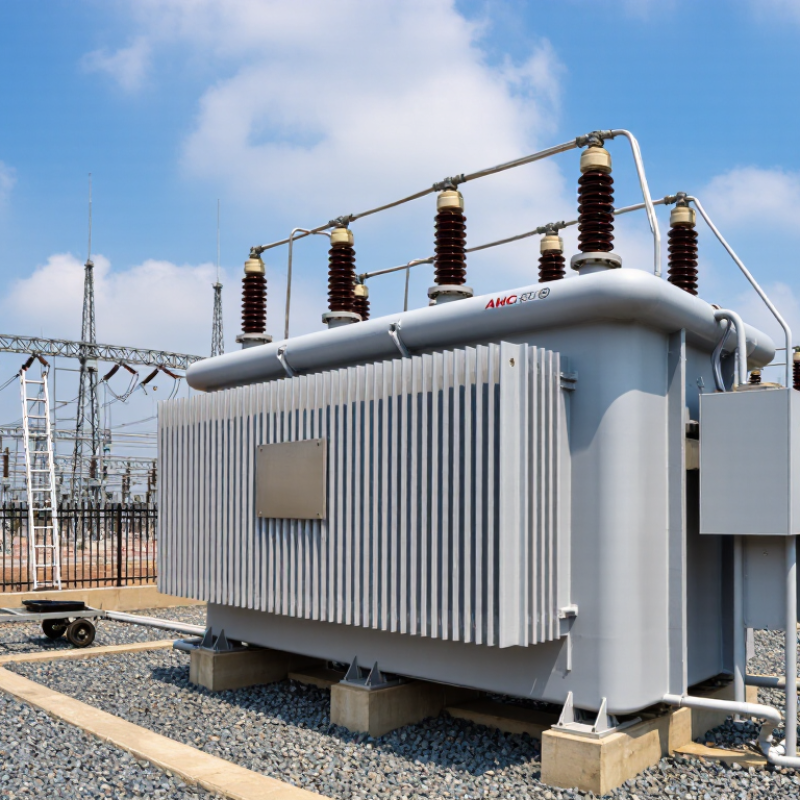
ANSI standards provide a practical framework for designing and testing three-phase oil-immersed transformers. IEEE C57.12.00 defines general requirements for liquid-immersed units. IEEE C57.12.10 addresses power transformer construction and performance. IEEE C57.12.90 describes recommended test methods. These references help engineers verify insulation, temperature rise, impedance, losses, and dielectric strength.
A reliable supplier should match the transformer design with the installation voltage, load profile, frequency, and cooling method. Factory inspectors may review winding resistance, ratio accuracy, applied voltage, induced voltage, and partial discharge results. Oil quality also matters. Clean, dry insulating oil supports stable insulation performance inside the tank. Sealed tanks, pressure devices, bushings, and lifting points require careful inspection.
Field experience shows that paperwork alone cannot prove long-term reliability. Small design details matter. For example, incorrect tap settings can affect service voltage and equipment life. Poor ventilation may increase oil temperature during heavy loading. One overlooked point is maintenance access. It can become expensive later. Suppliers should provide drawings, routine test reports, material records, and clear installation guidance. Independent inspection can strengthen confidence before shipment. However, ANSI alignment is not a substitute for project-specific engineering. Local grid rules, ambient temperature, altitude, and fault conditions may change the final specification. A careful review is still necessary.
China Best ANSI Rated Three Phase Oil Transformer Supplier
Core Design and Operating Principles
A three-phase oil transformer transfers electrical energy through magnetic induction. Its laminated silicon-steel core carries alternating flux with minimal resistance. Three limbs share the magnetic path, while copper windings create primary and secondary voltage levels. The turns ratio sets the voltage change. It is simple in theory. Field conditions are less forgiving.
Mineral oil provides insulation and removes heat from the windings. Natural oil circulation moves warm fluid upward, while cooler oil returns through the tank. Radiators enlarge the cooling surface. ANSI/IEEE C57.12.00 defines key requirements for transformer construction and performance. The U.S. Department of Energy estimates that distribution transformers consume about 60 billion kilowatt-hours annually in the United States. Core losses matter. Low-loss steel, tight laminations, and careful joint design can reduce continuous energy waste. However, a thinner core is not automatically better. Mechanical stress or poor clamping may increase vibration and noise.
A dependable supplier should verify no-load loss, load loss, temperature rise, insulation strength, and short-circuit performance. Factory tests should follow recognized ANSI and IEEE procedures. Tap changers also require careful selection, especially where feeder voltage varies. In practice, site altitude, ambient temperature, harmonics, and unbalanced loading can change operating results. This is where many specifications become too optimistic. A transformer may pass routine testing yet need stronger thermal margins in a harsh installation. Conservative design is sometimes less efficient on paper, but more reliable in service.
China Best ANSI Rated Three Phase Oil Transformer Supplier
Key Performance Specifications and Safety Features
An ANSI-rated three-phase oil transformer should meet ANSI/IEEE C57.12.00 requirements for general transformer performance. Buyers should verify rated power, primary and secondary voltage, frequency, impedance, insulation level, and temperature rise. A 65°C winding rise is common in distribution designs. The nameplate must match the actual load profile, not only the maximum connected load. The U.S. Department of Energy’s 2024 transformer supply-chain review reported lead times exceeding one year in some market segments. Accurate specifications can prevent costly replacement delays.
Safety depends on tested details. IEEE C57.12.90 outlines testing methods for winding resistance, ratio, polarity, dielectric strength, and temperature performance. Oil quality also matters. Moisture, dissolved gas, and breakdown voltage should be checked before shipment and during service. Pressure-relief devices, oil-level indicators, grounded tanks, and drain valves improve field protection. The IEEE Power and Energy Society notes that transformer failures often involve insulation ageing, overheating, or mechanical stress. These risks are predictable, but not always easy to diagnose.
Tips: Request routine test reports, certified loss data, and a clear warranty. Confirm the oil type and PCB-free declaration. Ask for short-circuit withstand evidence. Do not rely on a catalog rating alone. A practical mistake is accepting low purchase cost while ignoring no-load losses, ventilation, and future load growth. Those details quietly shape operating cost and safety.
A China-based supplier of ANSI-rated three phase oil transformers must understand more than voltage ratios. Industrial sites demand stable power for motors, furnaces, pumps, and automated production lines. A properly selected transformer reduces voltage fluctuation and supports predictable equipment performance.
In manufacturing plants, oil-immersed units often serve medium-voltage feeders near heavy loads. Their sealed tanks, radiators, and temperature indicators help manage continuous operation. Engineers should review starting currents, harmonics, ambient temperature, and future load growth before selecting capacity. Small details matter. A transformer sized only for today may become a restriction within a few years.
Power distribution systems require different attention. Utility substations may use three phase transformers to connect incoming networks with commercial or rural feeders. ANSI and applicable IEEE requirements guide insulation coordination, testing, clearances, and performance verification. Factory checks should include winding resistance, ratio accuracy, dielectric tests, and leakage evaluation. Field conditions vary. Transport damage, poor grounding, or inadequate ventilation can weaken an otherwise reliable installation.
Experienced suppliers provide drawings, nameplate data, protection recommendations, and oil maintenance guidance. They should also explain limitations instead of promising universal suitability. In practice, cooling performance may change with dust, altitude, or uneven loading. Regular inspections, oil sampling, and temperature records help operators detect developing problems before an outage becomes costly.
China Best ANSI Rated Three Phase Oil Transformer Supplier
How to Select a Reliable Transformer Supplier in China
Selecting a reliable transformer supplier requires more than comparing prices. Check whether the supplier understands ANSI requirements and your site conditions. Ask for clear ratings, impedance data, insulation levels, cooling methods, and temperature-rise limits. These details reveal real engineering capability.
Request complete technical drawings before placing an order. Review the core material, winding construction, oil preservation system, bushings, tap changer, and enclosure protection. A professional supplier should provide routine test reports and arrange witnessed factory acceptance tests when required. Verify calibration records for test equipment. Also inspect material traceability from incoming steel to final assembly. Small gaps matter.
Visit the factory, physically or through a controlled video audit. Observe winding cleanliness, drying procedures, oil filling, and storage conditions. Speak with the quality manager, not only the sales team. Ask for references from projects with similar voltage, capacity, climate, and transportation demands. Confirm export packing, delivery responsibilities, warranty terms, spare parts, and technical support after commissioning.
A low quotation may hide weak testing or limited service. That risk deserves attention. No supplier is perfect, and polished documents can still miss practical problems. I would question vague answers, rushed approvals, and unexplained design changes. Require written responses and a realistic production schedule. A dependable supplier communicates delays early, accepts technical scrutiny, and keeps the delivered transformer consistent with the approved design.
This practical supplier assessment model prioritizes compliance with applicable ANSI/IEEE requirements, documented type and routine testing, manufacturing quality control, delivery capability, warranty support, and total cost. Buyers can adjust the weights according to project risk and technical specifications.
MSIRobot