
10 Best Vertical Cartoning Machines for 2026?
A vertical cartoner can look compact on a factory floor, yet it must coordinate product loading, carton forming, leaflet insertion, and sealing. Small timing errors can cause jams, damaged cartons, or costly downtime. This matters as manufacturers seek faster changeovers, dependable output, and efficient use of limited production space. A Vertical Cartoning Machine may suit products ranging from bottles and pouches to blister packs, but the right choice depends on the actual package, line speed, and operator requirements.
Industry data offers useful context, though it cannot choose a machine for you. Grand View Research’s Packaging Machinery Market report estimates that the global market was worth tens of billions of dollars in 2023 and projects continued growth through 2030. That broad forecast covers many machine types, not vertical cartoners alone. PMMI’s packaging-industry research also highlights automation and workforce challenges as important forces shaping equipment investment. The practical lesson is simple. Buyers should compare more than advertised speed: check changeover time, carton-size range, footprint, service access, and integration with upstream equipment. A glossy specification sheet is not the whole story.
This guide reviews 10 vertical cartoning machines for 2026, focusing on documented capabilities and real production considerations. Where manufacturer claims need verification, treat them as claims—not guarantees. Test your own cartons and products whenever possible. One detail is easy to miss: a machine that runs beautifully with one carton may struggle with another.
What a Vertical Cartoning Machine Does and Where It Is Used
10 Best Vertical Cartoning Machines for 2026?
What a Vertical Cartoning Machine Does and Where It Is Used
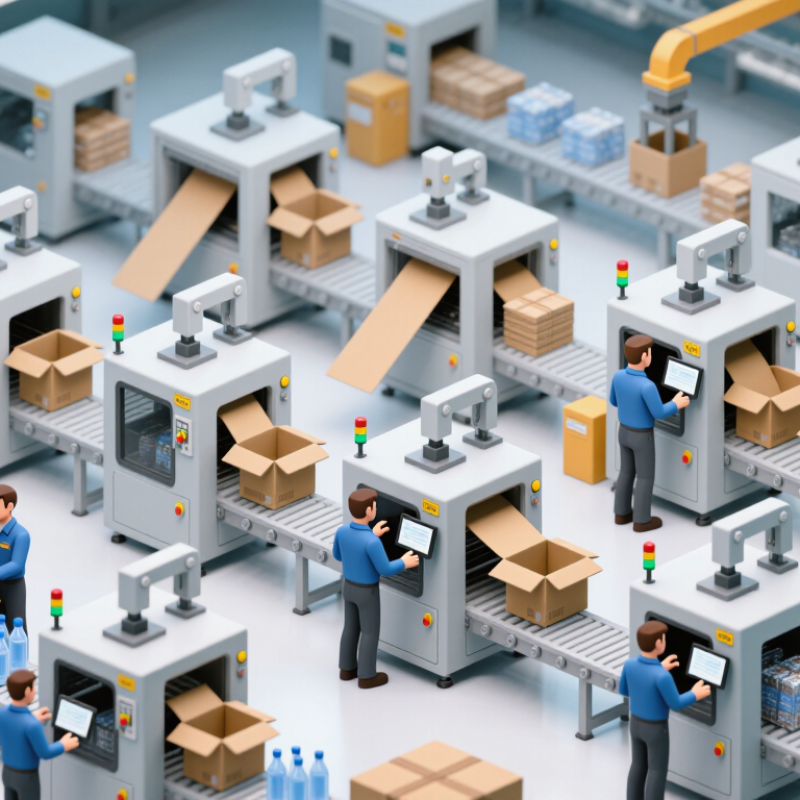
A vertical cartoning machine turns flat carton blanks into open boxes, loads products from above, then closes the cartons. Depending on its setup, it may tuck in the flaps or seal them with adhesive. Operators commonly use these machines for bottles, jars, pouches, and small boxed items. Typical settings include food, personal care, household goods, and pharmaceutical packaging. The vertical loading motion suits products that stand upright or fit neatly into a carton. It can also help conserve floor space, though the actual footprint depends on the infeed and accessories.
Tips: Check product dimensions, carton style, and loading method before comparing machines. Run samples at realistic speeds. A carton that works by hand may still jam on a feeder. Small details matter.
The machine’s performance depends on more than its rated cartons per minute. Product orientation, carton stiffness, closure style, and changeover needs all affect daily output. Ask how adjustments are made and which components need routine cleaning. Watch a full production run, not just a short demonstration. Cartons may scuff or fail to close when blanks vary slightly. That happens. A suitable vertical cartoner should handle the intended product consistently, with practical access for operators and maintenance staff. A high-speed model is not automatically the best fit for a small, frequently changing product range.