What Is the Best Tiny Electric Truck to Buy?
Choosing the best Tiny Electric Truck is not simply a matter of finding the smallest battery-powered vehicle. Buyers must match the truck to real working conditions. A narrow city lane, a 500-kilogram load, and a steep driveway can reveal more than a polished specification sheet. Range, payload, charging speed, turning radius, weather protection, and service access deserve equal attention.
Rivian founder and automotive engineer RJ Scaringe has said, “The future of transportation is electric.” His statement is broad, but it frames an important question: what should electric transportation look like at a smaller scale? A useful Tiny Electric Truck should feel practical, not merely fashionable. It may fit into a compact parking space, carry tools across a farm, or deliver supplies through crowded streets. Those details matter.
There is no perfect choice. Not even close.
Some models offer impressive torque but limited highway capability. Others provide useful cargo beds yet compromise on cabin comfort or charging support. Manufacturer claims can also change with temperature, payload, tire pressure, and driving style. That is why this guide compares more than advertised range. It examines ownership experience, build quality, safety equipment, warranty coverage, charging options, and everyday usability. The strongest recommendation may not be the fastest truck or the cheapest one. It may be the model that works reliably on an ordinary Tuesday, when the battery is cold, the bed is full, and the nearest service center is far away.
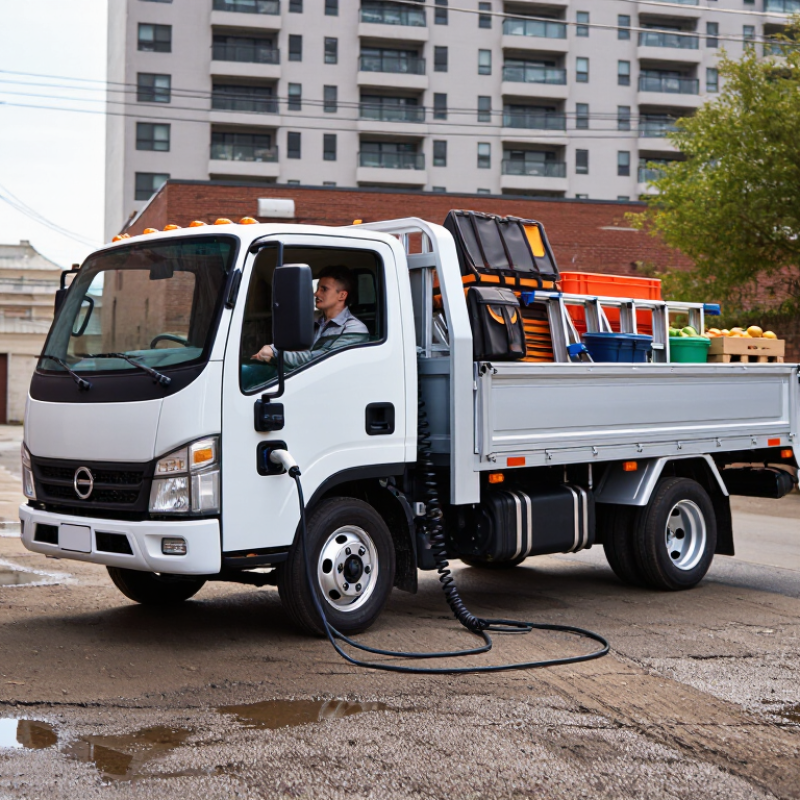
Defining Tiny Electric Trucks and Their Main Uses
A tiny electric truck is a compact utility vehicle designed for short trips, light cargo, and controlled environments. It usually has a narrow body, a small cargo bed, and a battery-powered drive system. Unlike a full-size pickup, it may carry only several hundred kilograms. That distinction matters. Many models also have limited speeds, modest ground clearance, and basic weather protection. Buyers should check local road rules before using one beyond private property.
These vehicles work well on campuses, farms, resorts, warehouses, and residential service routes. A grounds crew can carry tools, soil bags, or trimmed branches without starting a large engine. In a warehouse, a tight turning circle helps workers move between shelves. Quiet operation is useful near hospitals, schools, and early-morning neighborhoods. Charging from a standard outlet may be convenient, but daily distance, battery size, and charging time need careful measurement.
Real use is messier. Cold weather, steep slopes, heavy loads, and repeated stops can reduce driving range. Small tires may struggle on mud or broken pavement. A compact truck also offers less crash protection than a conventional vehicle. I would inspect the frame, brakes, lighting, payload rating, and battery warranty before purchase. Manufacturers’ range figures can look precise, yet they often reflect gentle driving and ideal temperatures. A short test route with the intended load reveals more. Sometimes, a hand cart or trailer may serve the same job with less cost and maintenance.
Comparing Size, Payload, Range, and Charging Performance
What Is the Best Tiny Electric Truck to Buy?
The best tiny electric truck depends on work, not appearance. Typical models measure under 4.5 meters long, making them useful in narrow streets and small yards. Payload figures often range from 500 to 1,500 pounds. Check the payload after passengers, tools, and cargo are included. A truck rated for 1,000 pounds may carry far less safely with two adults onboard. That mistake is easy to make.
Range claims need careful reading. Small electric trucks commonly offer about 60 to 150 miles under controlled testing. The EPA explains that real-world range can fall because of speed, temperature, hills, and heavy loads. Cold mornings are especially revealing. A 100-mile rating may become 70 miles with winter heating and a full bed. The International Council on Clean Transportation also notes that usable range depends on battery management and testing conditions.
Charging performance matters more than a large battery for many owners. The U.S. Department of Energy’s Alternative Fuels Data Center reports that Level 2 charging can add roughly 10 to 30 miles per hour. A 7.2-kilowatt home charger may refill a small battery overnight. Direct-current fast charging can restore most capacity in about 30 to 45 minutes, but only when the vehicle supports it. Some tiny trucks do not. I would test the charging port location, cable reach, and winter charging behavior before buying. Specifications alone are not enough.
Evaluating Safety, Comfort, and Everyday Practicality
Choosing the best tiny electric truck starts with safety, not cargo capacity. A short test drive should include tight turns, sudden braking, and uneven pavement. Check visibility from the driver’s seat, especially near the front corners. A low seating position can make nearby obstacles harder to notice. Strong seat belts, head restraints, stable handling, and clear warning systems matter every day. Confirm that the vehicle meets current road-safety requirements in your region.
Comfort becomes important when short trips become regular routines. Test the seat with work clothes, not just casual clothing. Look for supportive cushioning, simple controls, useful storage, and easy entry. Cabin noise should remain low enough for conversation. Climate control also matters during winter mornings and hot summer errands. My first test focused too much on turning space. I overlooked the hard seat after twenty minutes. That mistake changed my priorities.
Everyday practicality depends on honest measurements. Check the bed length, payload rating, charging time, and turning circle. Measure a typical box, tool case, or grocery load before buying. A compact truck may fit narrow streets but struggle with heavier equipment. Home charging can be convenient, although apartment parking creates complications. Inspect the charging cable, locking system, and weather protection. Test the tailgate with one hand. Small details count. Some published range figures may feel optimistic in cold weather, on hills, or with a full load. Leave room for doubt.
Reviewing Ownership Costs, Maintenance, and Legal Requirements
Choosing the best tiny electric truck starts with ownership math, not cargo photos. A realistic budget includes purchase price, registration, insurance, electricity, tires, and battery-related costs. Home charging is usually cheaper than fuel, but installation can add a painful first bill. A simple meter and monthly log reveal the real cost better than a showroom estimate. Small savings matter.
Maintenance is simpler than with many fuel-powered vehicles because there is no oil change or exhaust system. However, tires, brakes, suspension parts, cooling systems, and charging equipment still need attention. Battery condition deserves careful inspection, especially for a used vehicle. Ask for warranty terms, service records, and expected replacement costs. My first estimate would probably be too optimistic if I ignored winter range, heavy loads, or frequent public charging. Cold mornings can turn a short delivery route into a scheduling problem.
Legal requirements vary by country, state, and municipality. Confirm whether the vehicle needs registration, a special license, insurance, safety equipment, or commercial permits. Check allowed road speeds and weight limits before buying. Some tiny trucks may be restricted from highways or certain urban roads. Verify lighting, mirrors, seat belts, cargo restraints, and parking rules with the relevant transport authority. A seller’s statement is not enough. Written confirmation is safer, although it can slow the purchase.
What Is the Best Tiny Electric Truck to Buy?
Estimated annual ownership costs for a small electric utility truck used primarily for local, low-mileage driving.
Estimate basis: 5,000 miles per year, 3 miles per kWh, electricity at $0.16 per kWh, and typical U.S. registration and insurance costs. Energy is calculated at approximately $267 per year. Actual costs vary by location, vehicle weight, coverage, driving conditions, and service intervals.
Legal requirements: Street use may require a title, registration, liability insurance, compliant headlights and taillights, mirrors, seat belts, a vehicle identification number, and a valid driver's license. In the United States, low-speed vehicles are generally limited to 25 mph and may be restricted from roads with higher posted speed limits. Always verify local rules before purchase.
