
5 Best PC200-7 PC300-8 Parts Suppliers for Global Buyers?
Choosing dependable parts suppliers for PC200-7/PC300-8 excavators is not simply a price comparison. Global buyers need parts that match the machine’s serial number, operating conditions, and maintenance history. A hydraulic pump may look correct in a photograph, yet its ports, pressure rating, or control system can differ. That small mismatch can create costly downtime.
This guide examines five suppliers serving international buyers, with attention to product range, technical knowledge, quality control, documentation, and after-sales support. Experience matters here. Reliable vendors should identify whether a buyer needs genuine, OEM-equivalent, or carefully inspected aftermarket components. They should also provide clear specifications, inspection photos, packing details, and realistic delivery estimates. Strong suppliers do not avoid difficult questions.
Price still matters. It is not everything. A low quotation may exclude testing, export packaging, warranty coverage, or essential fittings. Buyers should compare the complete purchasing cost, including freight, customs requirements, installation risk, and possible delays. Supplier reputation can help, but it should be checked through references, transaction records, and consistent communication. No evaluation is perfect, and even experienced buyers can miss a compatibility detail. That is why written confirmation remains essential before payment. The following comparison offers a practical starting point for selecting parts partners with greater confidence, fewer surprises, and better long-term support.
Understanding PC200-7 and PC300-8 Parts and Compatibility Requirements
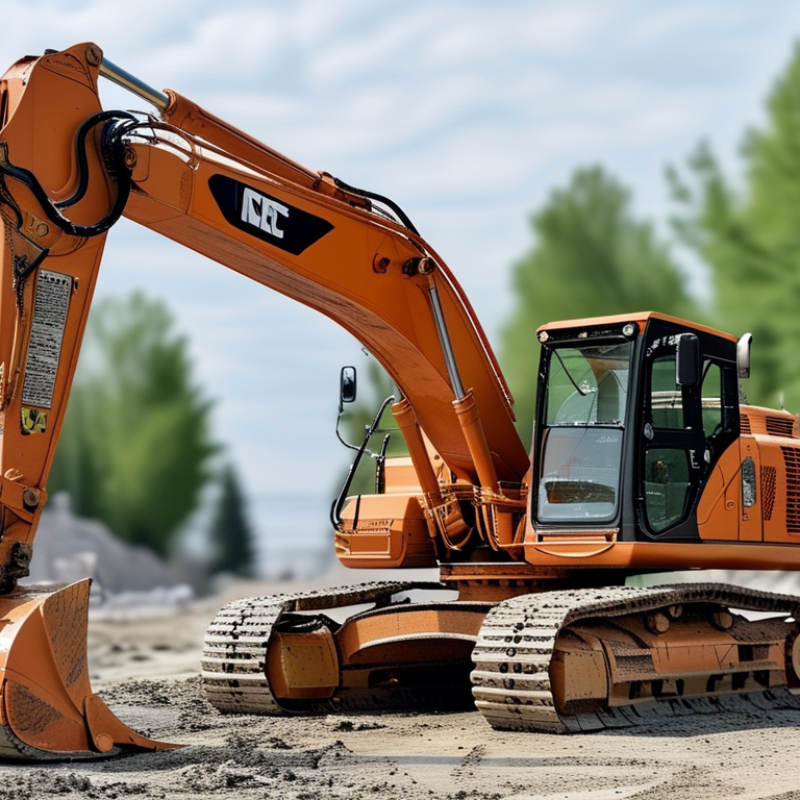
PC200-7 and PC300-8 parts require more than a visual match. Their operating weights, hydraulic circuits, engine layouts, and electrical systems differ significantly. A part that fits the mounting holes may still fail under working pressure. KHL’s 2024 Yellow Table recorded more than one million construction equipment units sold worldwide in 2023. This large installed base creates strong demand for replacement components, but it also increases compatibility risks. Global buyers should provide the machine serial number, production year, component code, and operating symptoms before requesting quotations.
Experienced suppliers should verify hydraulic flow, pressure ratings, connector shapes, seal materials, and shaft dimensions. They should also explain whether a component is new, remanufactured, or aftermarket. ISO 9001-based quality systems can support traceability, although certification alone does not prove perfect fitment. Field experience matters. A pump may meet catalog dimensions yet produce unstable pressure after installation. That detail is easy to miss.
Tips: Ask for a dimensional drawing, test report, warranty terms, and installation guidance. Compare the supplier’s data with the service manual. Check shipping protection for sensors, controllers, and precision valves. Keep written records.
One caution remains. Some online listings combine PC200-7 and PC300-8 applications without showing revision differences. That shortcut can create costly downtime. I would treat unclear cross-references as unverified, not compatible. A careful supplier should welcome technical questions, even when the order becomes slower.
| Supplier Profile | Best-Suited Parts | PC200-7 Compatibility | PC300-8 Compatibility | Quality and Documentation Requirements | Global Buyer Selection Advantages | Important Verification Before Purchase |
|---|---|---|---|---|---|---|
| New OEM-Equivalent Component Supplier |
| Suitable for the 20-ton excavator class; compatibility depends on the machine serial range, hydraulic configuration and engine version. | Suitable for the 30-ton excavator class; pump displacement, valve configuration and electrical connections must match the serial number. | Request dimensional drawings, material specifications, pressure ratings, batch traceability and a written warranty. For hydraulic parts, test reports should include operating pressure and leakage results. | Usually offers new stock, consistent production batches, export packaging and easier repeat purchasing for fleet maintenance. | Do not order by model name alone. Confirm the exact part number, old-part photographs, connector type, mounting dimensions and machine serial number. |
| Remanufactured Hydraulic Specialist |
| Appropriate when the original unit is repairable and its displacement, port arrangement and mounting pattern can be identified. | Appropriate for heavy-duty hydraulic assemblies when the supplier can match the pump group, regulator setting, port layout and control system. | A reliable supplier should provide inspection records, replaced-component details, pressure-test data, core-return conditions and a defined warranty period. | Can reduce purchase cost and downtime compared with a completely new assembly, especially when the buyer can return the original core. | Confirm whether the quoted price includes the complete assembly, regulator, coupling, sensors, seals and shipping of the core unit. |
| Undercarriage and Wear-Part Supplier |
| Suitable for the PC200-7 size class, but track pitch, link count, shoe width, roller diameter and bolt pattern must be checked. | Suitable for the PC300-8 size class, subject to exact track gauge, link count, shoe width, sprocket profile and frame configuration. | Ask for hardness data, heat-treatment information, wear-layer thickness, steel grade, dimensional tolerances and product photographs before shipment. | Often provides multiple shoe widths and wear options, allowing buyers to select components for quarry, earthmoving, roadwork or general construction conditions. | Track components are not safely interchangeable between PC200-7 and PC300-8. Match every component to the complete undercarriage system. |
| Inspected Used-Part and Dismantling Supplier |
| Can supply original used components from machines in the same model family, provided the serial range and configuration are compatible. | Can supply large structural and hydraulic components, but condition and configuration vary significantly between production batches and operating regions. | Require dismantling photographs, operating-hour records where available, cold-start or bench-test evidence, corrosion disclosures and a clear return policy. | Useful for older machines, discontinued components and urgent repairs where a new replacement is unavailable or uneconomical. | Confirm hidden wear, cracks, weld repairs, contamination, missing sensors and regional electrical differences. Used hydraulic parts should be tested before installation. |
| Aftermarket Wear and Maintenance-Kit Supplier |
| Commonly available for routine PC200-7 maintenance, but filter dimensions, bypass-valve settings, seal materials and hose fittings must match. | Commonly available for routine PC300-8 maintenance, with special attention to filter capacity, hydraulic cleanliness requirements and hose working pressure. | Request filter efficiency data, seal-material information, hose pressure ratings, temperature limits, product shelf life and conformity documents where required. | Usually provides competitive pricing, mixed-item containers, flexible minimum order quantities and convenient scheduled maintenance packages. | Check that replacement filters and seals meet the required specification; a visually similar part may have different filtration, pressure or temperature performance. |