
10 Best Electronic Engineering Companies for Global Buyers
For global buyers, choosing an electronic engineering partner is rarely just a price comparison. Projects can involve circuit design, PCB layout, embedded software, prototypes, testing, and production support. A capable supplier should explain how these stages connect, not simply promise a fast delivery date. Clear communication matters when drawings, components, and approval cycles cross time zones. Details matter.
This guide introduces ten electronic engineering companies that may suit different project needs, from early-stage product development to established manufacturing programs. The selection focuses on practical signals buyers can investigate: technical capabilities, relevant industry experience, quality processes, engineering support, and responsiveness. A polished website is not enough. Buyers should review sample work where available, request references, and confirm who will handle design changes or production issues.
The best fit depends on your product, budget, schedule, and required level of support. Ask specific questions about prototype turnaround, component sourcing, test documentation, and communication during revisions. Check whether stated certifications apply to the facility and service involved; requirements can vary by project and market. No list can replace careful due diligence, and company strengths may change over time. Some details are difficult to compare from public information alone. Treat this overview as a starting point, then verify claims directly before sharing specifications or committing to a supplier.
What Electronic Engineering Companies Provide to Global Buyers
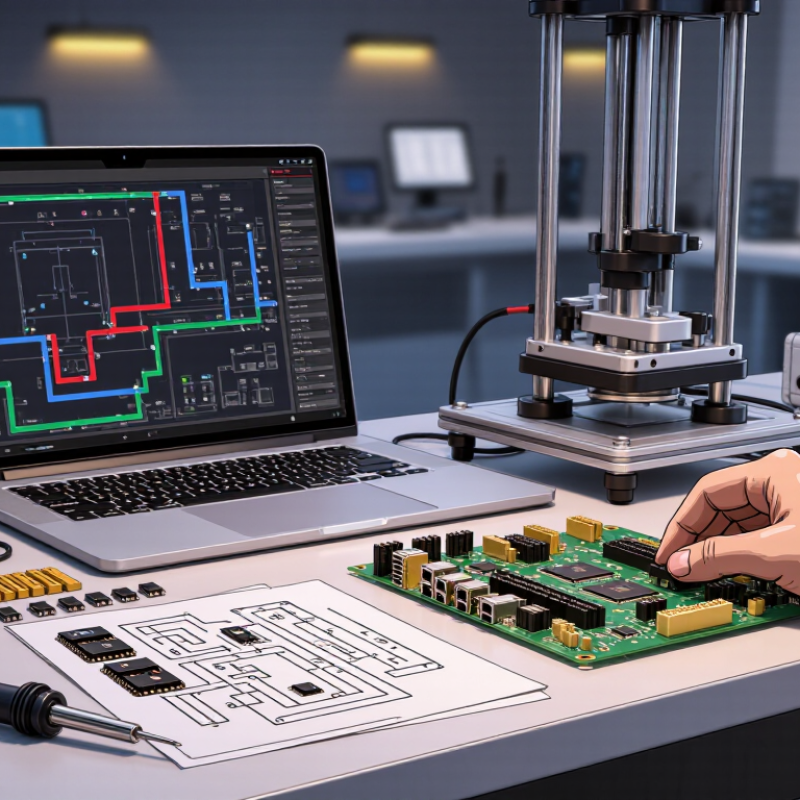
Electronic engineering companies help global buyers turn product requirements into buildable hardware. Their work can include circuit design, PCB layouts, firmware, simulation, and prototypes. They may also review component availability and redesign around parts with long lead times. A sample unit on the bench can reveal heat, noise, or connector problems before production. Small details matter.
They also connect design choices to manufacturing. Services can include design-for-manufacturing reviews, test plans, supplier coordination, production documentation, and quality checks. For buyers in several regions, clear revision records and test results make handoffs easier. The World Semiconductor Trade Statistics Fall 2024 forecast put global semiconductor sales at $611.2 billion for 2024 and $687.4 billion for 2025. That growth reflects a demanding component market, though it does not guarantee parts will be available on schedule.
Supply planning is part of engineering, not an afterthought. McKinsey Global Institute’s 2020 report, Risk, Resilience, and Rebalancing in Global Value Chains, estimated that 16–26% of global goods exports could shift between countries over five years. Buyers can ask engineering partners to document alternate components, testing limits, and design changes. Still, no partner can remove every risk. Not every project runs smoothly. A missed assumption about enclosure space or local testing needs can cost time, and it deserves an honest review.
| No. | Engineering Capability | Typical Deliverables | Value to Global Buyers | Useful Evaluation Evidence |
|---|---|---|---|---|
| 1 | Electronic product design | Product requirements, system architecture, schematics, and design documentation. | Turns functional and regulatory requirements into a design that can be prototyped and manufactured. | Requirements traceability, design reviews, and documented revision control. |
| 2 | PCB design and layout | Schematic capture, PCB layout, fabrication files, and assembly drawings. | Supports board fabrication and assembly while addressing electrical, thermal, and mechanical constraints. | Design-rule checks, stack-up details, and review of fabrication outputs. |
| 3 | Embedded hardware and firmware | Microcontroller or processor integration, firmware, boot code, and interface implementation. | Connects electronic hardware to sensors, displays, communication links, and other product functions. | Interface specifications, source-code management, and functional test records. |
| 4 | Prototype development | Engineering samples, prototype assemblies, and design verification builds. | Enables early evaluation of functionality, fit, and performance before production tooling or volume orders. | Build documentation, sample test results, and a tracked list of design issues. |
| 5 | Design for manufacturing and assembly | Design reviews and recommendations for PCB fabrication, component placement, and assembly processes. | Helps identify manufacturing constraints before they become production delays or rework. | Documented review findings and clear ownership of corrective actions. |
| 6 | Component sourcing support | Bill-of-materials review, component alternatives, and lifecycle or availability checks. | Helps buyers assess supply continuity and identify suitable parts when availability changes. | Part-number validation, approved substitution records, and traceable sourcing documentation. |
| 7 | Testing and verification | Test plans, functional checks, electrical measurements, and verification reports. | Provides evidence that a design meets specified requirements under defined test conditions. | Test methods, acceptance criteria, equipment records, and results linked to requirements. |
| 8 | Compliance engineering support | Pre-compliance assessments, technical documentation, and coordination of applicable testing. | Helps buyers plan for market-specific requirements; applicable regulations depend on the product and destination. | Test reports from qualified laboratories and a documented product compliance plan. |
| 9 | Production transfer and ramp-up | Manufacturing packages, process instructions, and engineering support during initial builds. | Improves handoff from development to production and helps resolve early manufacturing issues. | Approved build files, process documentation, and issue-resolution records. |
| 10 | Quality and change management | Inspection plans, nonconformance handling, corrective actions, and engineering change records. | Supports consistent product revisions and clearer communication across international supply chains. | Auditable quality records, revision history, and documented change approvals. |