Choosing the best Custom Aluminum Tri-Fold Blind Rivets for 2026 starts with the joint, not the product name. These fasteners form three legs on the blind side, helping spread the clamping force across thin or uneven materials. Picture a rivet joining an aluminum panel to a lightweight bracket: the visible head may look right, yet an incorrect grip range can leave the sheets loose. Small details matter.
This guide examines body material, mandrel design, head style, hole size, and stated grip range. It also considers how much load the joint must carry. Aluminum rivets can help reduce weight and may suit applications where corrosion compatibility matters, but performance depends on the specific alloy, coating, and adjoining materials. No single option fits every assembly. That is worth remembering.
A catalog description is only a starting point. Check the manufacturer’s technical data, then confirm the rivet fits the actual material thickness and prepared hole. Where the joint is safety-critical, follow the relevant engineering process and test a representative assembly. A clean installation is not proof of strength. Not quite.
The comparisons ahead focus on practical selection, useful specifications, and questions buyers should ask suppliers. Some listings may omit details, or use terms inconsistently. That can make comparison harder than it should be. The goal is not to crown a universal winner, but to identify rivets that match a real application—and to flag what still needs verification before ordering.
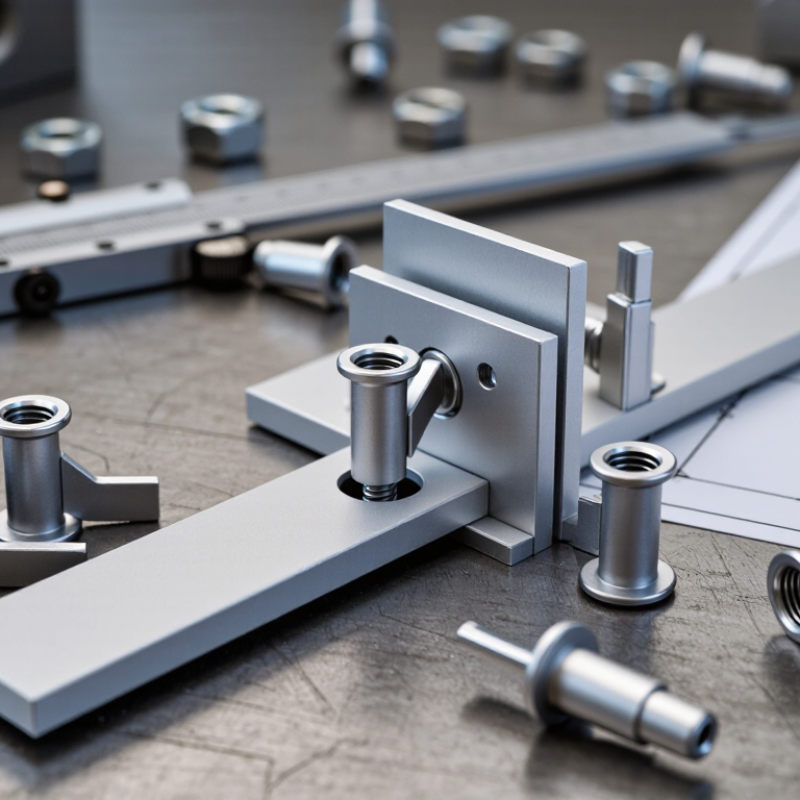
Best Custom Aluminum Tri-Fold Blind Rivets for 2026?
What Custom Aluminum Tri-Fold Blind Rivets Are
A custom aluminum tri-fold blind rivet is a fastener installed from one side of a workpiece. Its hollow rivet body has a mandrel running through the center. During setting, the mandrel pulls the body outward, splitting its tail into three folding legs. Those legs spread behind the panel and help hold materials together.
Three contact points. A useful distinction. Compared with a standard blind rivet, the tri-fold design can distribute pressure over a wider area on the blind side. This may suit thin, soft, or easily marked materials, such as plastic panels or lightweight sheet. It is not automatically the right choice for every joint; panel thickness and material strength still matter.
“Custom” can refer to body diameter, length, grip range, head style, or finish. The body may be aluminum, while the mandrel material can differ, so confirm the full specification rather than assuming both parts are aluminum. A grip range that is too short may leave the joint loose; one that is too long can set poorly. That detail is easy to overlook. Check the actual material stack and test sample rivets in the intended hole size before selecting a production specification.
When a tri-fold blind rivet is set, its aluminum body opens into three broad legs behind the workpieces. The mandrel draws the rivet body inward, folding those legs against the hidden surface. This creates a larger bearing area than a simple flared tail. That matters.
The three contact points help spread clamping force across thin sheet, plastic panels, or other materials that may deform under concentrated pressure. The joint can be installed from one accessible side, while the expanded legs provide support on the far side. Not magic. A poorly sized hole or incorrect grip range can still leave a loose, damaged joint. Match the rivet’s grip range to the combined material thickness, and check the recommended hole diameter before installation.
For a custom aluminum rivet, consider body diameter, head style, and the materials being joined. Aluminum offers low weight, but the exact alloy and setting performance should suit the application. If the assembly includes dissimilar metals or sees moisture, corrosion compatibility deserves attention too. A small detail, often missed. After setting, inspect the head for firm contact and the blind side, where accessible, for even three-leg expansion; uneven folds can signal a setup issue.
Choosing a custom aluminum tri-fold blind rivet starts with the joint, not the catalog. Its body opens into three legs behind the panel, spreading pressure across a wider area than a standard blind rivet. That can help with thin sheet, plastic, or soft composites. It is not a cure for weak material.
Compare body alloy and mandrel material together. Aluminum offers low weight and useful corrosion resistance, while a steel mandrel may increase setting strength but create a corrosion mismatch in damp or salty conditions. Stainless steel mandrels may suit harsher exposure, though the full assembly still needs compatibility checks. Check grip range against the actual stack thickness, plus hole diameter, head style, and required shear and tensile loads. A rivet that sets cleanly can still loosen if the grip range is wrong. Small detail. Easy to miss.
Tips: Test samples in the actual panel material. Inspect the formed legs, backside clearance, and joint after setting. Record pull-out results when the connection carries meaningful load. Hand checks can miss fatigue or vibration problems, so use application-specific validation where needed.
Specify a custom aluminum tri-fold blind rivet by describing the joint, not just the fastener. Include the total material thickness and the required grip range. A rivet that is too short may not form its legs correctly; one that is too long can leave a loose joint. Fit matters. State the hole diameter, head style, and available installation access. Tri-fold legs spread behind the workpiece, which can help distribute load across softer or thinner materials. They are not a substitute for checking the joint’s actual strength requirements.
Confirm the rivet body and mandrel materials, then consider moisture and contact with other metals. Aluminum can be vulnerable to galvanic corrosion in some mixed-metal assemblies, so the surrounding materials and service environment matter. Provide expected shear or tensile loads, vibration exposure, and any appearance requirements. A detail easy to miss is the setting tool: verify that it can install the chosen rivet consistently in the available space. Test a sample. Check the formed legs, clamp-up, and finished surface on representative parts. If the first sample looks acceptable but the joint feels loose, revisit the grip range or hole size before approving production.
Use this selection guide to define a custom aluminum tri-fold (three-leg) blind rivet. Tri-fold rivets expand into three broad legs on the blind side, helping distribute clamping force across thin, soft, or relatively fragile materials. Confirm final dimensions and performance with the rivet supplier and representative joint testing.
| Nominal Rivet Diameter | Typical Hole Diameter | Illustrative Grip-Range Options | Body and Mandrel Specification | Head and Setting Details | Potential Application Fit | Key Custom Checks |
|---|---|---|---|---|---|---|
| 4.0 mm | About 4.1–4.3 mm, subject to the rivet design and installation requirements | Example screening band: approximately 1.0–3.0 mm total joint thickness | Specify aluminum-alloy body; identify mandrel material and whether the mandrel must remain captive after setting | Define head style, head diameter, head height, and required visible-side appearance on the drawing | Light-duty sheet assemblies, thin panels, and small components where a broad blind-side footprint is useful | Verify hole quality, minimum edge distance, actual grip range, and installation-tool compatibility |
| 4.8 mm | About 4.9–5.0 mm, subject to the rivet design and installation requirements | Example screening band: approximately 1.5–4.5 mm total joint thickness | Specify body alloy and temper, mandrel material, coating, and any restrictions on dissimilar-metal contact | Choose standard or large-flange head according to the required load distribution and surface bearing area | General panel fastening, enclosures, and assemblies using thin sheet or materials that need a wider blind-side bearing area | Check total stack thickness at its minimum and maximum; test pull-through and joint movement on the actual materials |
| 6.4 mm | About 6.5–6.6 mm, subject to the rivet design and installation requirements | Example screening band: approximately 2.0–6.0 mm total joint thickness | Specify the complete material combination and finish; confirm setting-force and tool-capacity requirements | State head geometry and any limits on protrusion, flushness, or contact with nearby components | Larger panel joints and applications where a larger rivet body and broad blind-side expansion are appropriate | Evaluate access for the nosepiece, setting consistency, material deformation, and corrosion exposure |
| Custom diameter or grip | Set the finished hole size and tolerance on the engineering drawing; do not assume hole size from nominal diameter alone | Provide minimum and maximum measured stack thickness, including coatings, gaskets, and compressible layers | Call out body alloy/temper, mandrel material, mandrel retention, finish, and environmental requirements | Provide a drawing for nonstandard head dimensions, profile, color, or cosmetic requirements | Specialized assemblies with unusual stack thicknesses, limited access, material sensitivity, or unique appearance needs | Require sample installation, dimensional inspection, and application-specific joint testing before production approval |
Specification note: Hole diameters and grip bands above are preliminary selection examples, not universal industry limits or guaranteed product specifications. Actual grip ranges, recommended hole sizes, head dimensions, setting behavior, and load capacity vary by rivet design. For a purchase specification, provide the joint-material stack, hole diameter and tolerance, required head style, material and finish, installation access, service environment, and applicable performance or validation requirements. Do not use a nominal size or a generic strength value as a substitute for supplier data and testing of the finished joint.
Tri-fold blind rivets suit thin, soft, or brittle panels where a conventional blind rivet may create a small bearing area. During setting, the rivet’s blind side opens into three legs, spreading support behind the sheet. Typical applications include interior vehicle trim, lightweight enclosures, and plastic or composite panels. Fit depends on the full stack thickness, hole size, and access for the setting tool.
Small details matter.
The USGS Mineral Commodity Summaries 2025 estimates world primary aluminum production at about 72 million metric tons in 2024. That figure shows the scale of aluminum supply, but it does not prove a particular rivet design is suitable. Test the actual custom rivet and panel combination. ISO 14589 describes mechanical tests for blind rivets; useful checks include tensile and shear strength, setting consistency, and performance at the minimum and maximum grip ranges.
Inspect the three formed legs, too. Uneven opening can leave one leg carrying more load. A practical qualification should also examine sheet pull-through and loosening after vibration.
One easy mistake is testing only fresh, flat coupons. Real assemblies may have coatings, curved surfaces, or imperfect holes, and results can change.
MSIRobot