Why Choose Outdoor Wall Lights for Your Property?
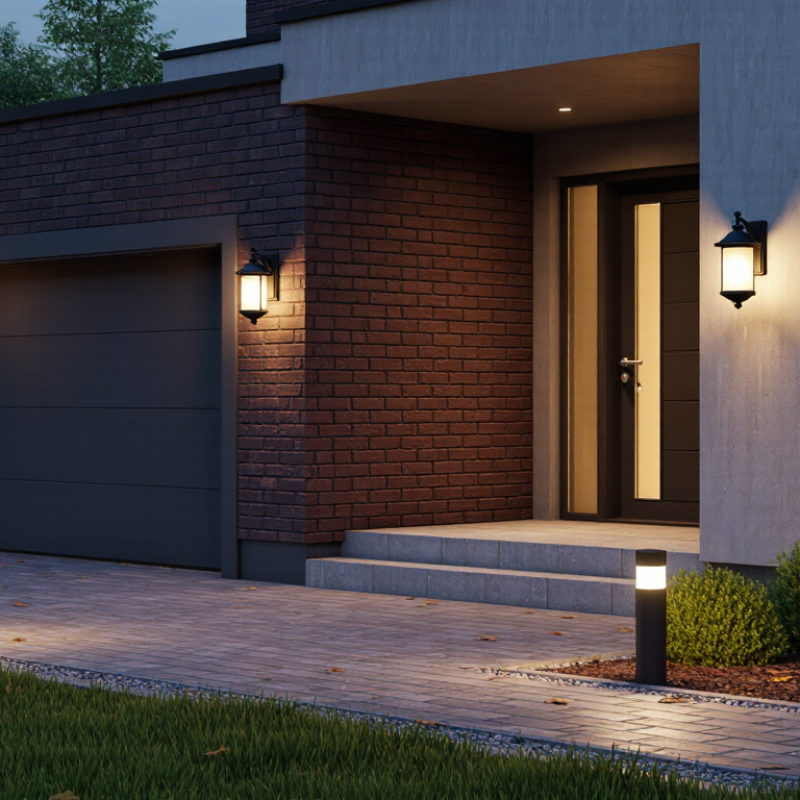
At dusk, a front path can disappear into shadow, even when the entrance itself looks welcoming. Outdoor Wall Lights add practical illumination where people approach, pause, or look for keys. A fixture beside the door can make the handle and steps easier to see. Near a garage or side entrance, it can help reveal obstacles before someone walks into them. Small details matter.
The right choice depends on the property, not just the fixture’s appearance. Consider the wall material, the height of the mounting point, and how much light nearby windows already provide. A bright lamp may feel reassuring at first, but glare can make a dark path harder to judge. Warm, shielded light is often more comfortable, though it will not suit every architectural style. Check the product’s weather rating and installation instructions, especially in exposed locations. For hardwired fixtures, a qualified electrician can confirm that the setup is appropriate.
Outdoor Wall Lights can also give a home a more considered look, tying an entryway to its exterior finishes. Matching every fitting is not always the answer; sometimes, the result feels too uniform. Think about upkeep, too: dust, rain marks, and insects can collect around exposed fixtures. LED models may reduce energy use compared with less efficient bulbs, but performance varies. Choose lighting that makes everyday movement clearer, then reassess it after dark. A showroom glow can be misleading.
What Outdoor Wall Lights Are and How They Work
Why Choose Outdoor Wall Lights for Your Property?
What Outdoor Wall Lights Are and How They Work
Outdoor wall lights are fixtures attached to exterior walls near entrances, patios, or paths. They direct light onto nearby surfaces, helping people see steps, door hardware, and changes in ground level. Some cast light downward, while others spread it upward and outward. The beam shape matters. A narrow beam can highlight a doorway, but may leave the surrounding area dim.
Most wired models connect to a household lighting circuit and are controlled by a wall switch. Others use a photocell to turn on when daylight fades, or a motion sensor that responds to movement and warmth. Solar models store energy in a small battery during the day. Their output can vary after cloudy weather, so placement and sunlight exposure matter. Simple, but not always predictable.
The fixture’s materials and weather protection affect how it performs outdoors. Check its stated ingress-protection rating and follow the manufacturer’s installation guidance. A hardwired light should be installed safely, with power isolated during work; consult a qualified electrician if wiring is unfamiliar. Positioning also deserves a second look. A light beside a door can create glare at eye level, even when its brightness seems modest. Lower output or a shielded design may feel more comfortable.
Why Choose Outdoor Wall Lights?
How IP ratings indicate protection from dust and water
Outdoor wall lights need protection suited to their exposure. In an IP code, the first digit rates protection against solid particles and the second rates protection against water. For example, IP65 is dust-tight and protected against water jets; IP67 is dust-tight and protected against temporary immersion under specified test conditions. These digits are protection categories, not a linear performance scale. Check the light’s instructions and installation location when choosing a rating.
Where Outdoor Wall Lights Can Be Used
Outdoor wall lights work best where people approach, pause, or need to see a change in level. Beside the front door, a fixture can illuminate the lock, house numbers, and a visitor’s face. At a garage entry, it helps reveal keys and bags after dark. Place lights near side doors and gates, too. These quieter routes are easy to overlook. Not every wall needs a fixture.
On a patio or balcony, wall lighting can make chairs and serving areas easier to use without placing a lamp in the walking path. Near steps, aim light toward the tread surfaces rather than directly into someone’s eyes. Choose fixtures rated for the location’s exposure to rain or moisture, and check that the beam does not spill into a neighbor’s window. The U.S. Department of Energy reports that residential LEDs use at least 75% less energy and last up to 25 times longer than incandescent lighting. Actual savings depend on use and the installed fixture.
Tips: Stand at each entrance after sunset and note dark spots before choosing locations. Use warm, shielded light where possible. Brighter is not always better. I’ve found that a small, well-aimed fixture often makes a narrow path feel clearer than a powerful light that creates glare. That judgment can vary with wall color, mounting height, and surrounding trees.
How Outdoor Wall Lights Improve Safety and Visibility
An outdoor wall light can make a home’s approach easier to read after sunset. Place it near the entry, steps, or side gate, where its beam can reveal uneven paving, a dropped key, or a visitor’s face. Small details matter. NHTSA’s 2022 Traffic Safety Facts report states that 76% of pedestrian fatalities occurred in dark conditions. This national road-safety figure does not prove that a porch light prevents injuries, but it shows how often darkness surrounds serious incidents. Better visibility at home is a sensible, limited measure.
Aim the light down toward walking surfaces rather than straight into someone’s eyes. A harsh, poorly aimed fixture can create glare and leave nearby corners harder to see. For a long path, one wall light may not cover every step; check the ground from the approach direction, not just from indoors. I would also consider how shadows shift when a door opens. Light helps, but it cannot fix loose paving or a slippery stair. Choosing a shielded fixture and placing it near the task area can make everyday arrivals clearer without flooding the whole yard.
Design and Energy Options for Different Properties
Outdoor wall lights work best when their shape suits the building and their beam serves a clear purpose. A narrow, downward-facing fixture can brighten a front step without shining into a neighbor’s window. On a brick cottage, a compact lantern may feel more at home than a large metal cylinder. Clean-lined homes often suit simple, low-profile designs. Small details matter. Check the mounting height and wall space before choosing; a fixture that looks balanced in a photograph may feel oversized beside a narrow door.
Energy choices depend on how the light will be used. LED fixtures use less electricity than many older bulb types and are available in warm or neutral tones. Warm light can soften a timber porch, while a neutral tone may help reveal uneven paths. Motion sensors can reduce operating time near side entrances, though frequent triggers from passing pets may become annoying. Solar lights avoid wiring, but shaded walls and short winter days can limit their output. That trade-off is easy to underestimate. For dependable evening lighting, consider a weather-resistant, hardwired LED fixture, and check that its brightness is comfortable rather than glaring.
Factors to Consider When Choosing Outdoor Wall Lights
Outdoor wall lights can make an entry easier to navigate and help reveal steps, house numbers, or a dark side path. Choosing the right fixture takes more than matching its finish to the front door. Start with the location: a sheltered porch and an exposed coastal wall face different weather. Check the fixture’s weather-resistance rating and choose materials suited to rain, wind, and salty air where relevant.
Think about brightness and beam direction. A light beside a doorway should illuminate the lock and nearby steps without shining into a visitor’s eyes or a neighbor’s window. Check the label. Compare the stated light output, not just the bulb’s wattage, and consider a warm color temperature for a softer residential feel. Motion sensors or dusk-to-dawn controls can be useful, though their placement matters; a sensor aimed at passing traffic may switch on too often.
Measure before buying. Note the mounting height, wall space, and distance from the nearest power connection, then confirm whether installation needs a qualified electrician. A bulky fixture can crowd a narrow entry, while a tiny one may look lost on a broad wall. Aim matters. Finish and glass also affect upkeep: textured surfaces may collect dust, and clear glass can show insects. There is no perfect choice for every property, and I would reconsider any plan that prioritizes appearance over safe, even illumination.
