Why Are Anti Drone Guns Essential for Modern Security?
In an era where unmanned aerial vehicles (UAVs) pose rising threats, the role of Anti Drone Guns has never been more critical. Recent studies by the International Security Research Group indicate a 50% increase in drone-related incidents over the past two years. As these flying machines become more accessible, ensuring security is paramount. Expert Dr. Emily Carter states, “Anti Drone Guns are essential in protecting sensitive areas from potential drone attacks.”
The demand for these specialized weapons is driven by concerns over privacy, safety, and national security. Facilities like airports and government buildings are increasingly exposed. A targeted drone could disrupt operations or even pose a risk to lives. Anti Drone Guns offer a solution by neutralizing threats while avoiding collateral damage. Such technology is not without its challenges, and continuous improvements are necessary.
While current models exhibit impressive capabilities, questions linger about their reliability in diverse environments. Testing solutions in urban areas or crowded venues remains imperative. As the industry evolves, the need for regulations and ethical standards surrounding Anti Drone Guns also grows. Addressing these issues will ensure a balanced approach to drone security and public safety.
The Rise of Drone Technology and Its Implications for Security
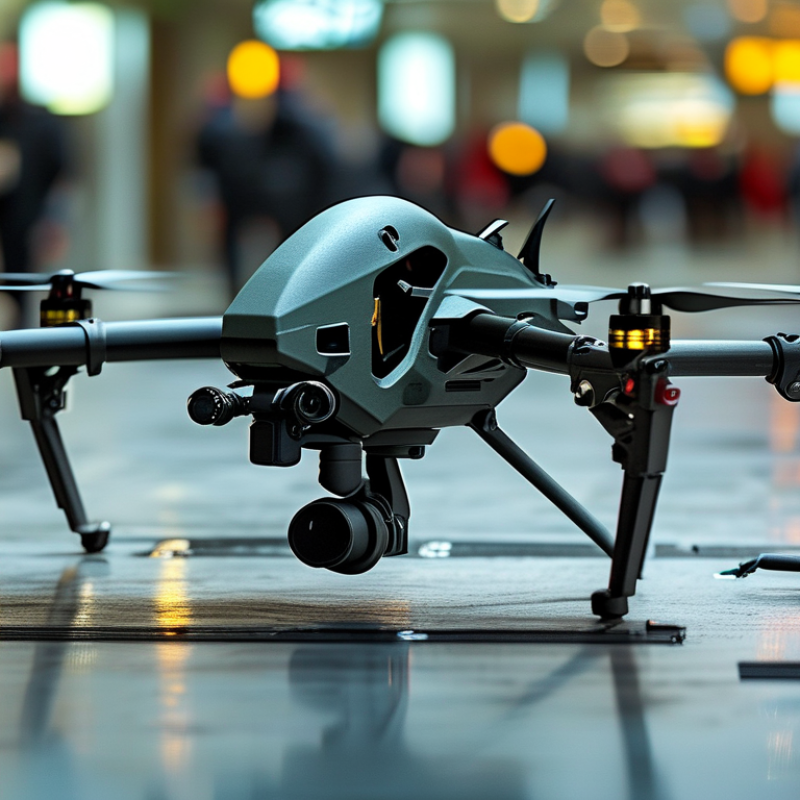
The rapid rise of drone technology has transformed many sectors. Drones are now ubiquitous in various fields like delivery services, agriculture, and surveillance. Their efficiency brings remarkable advantages but also significant risks. As drones become more accessible, malicious use is an increasing concern. This can lead to security breaches, privacy violations, and even potential attacks.
Security experts recognize the critical need for protective measures against rogue drones. Anti-drone guns have emerged as a vital solution. These devices can disable drones effectively without causing harm to people. They can disrupt communication signals, rendering the drones powerless. In crowded areas, this technology provides a safety net, allowing authorities to respond quickly to threats. Yet, the effectiveness of these guns depends heavily on their deployment and the scenario at hand.
Challenges remain in the integration of anti-drone measures into existing security systems. There are debates about the ethical implications and technical limitations. Not all anti-drone solutions are foolproof. Operators must balance security needs with public safety. Continuous training and updates in technology are essential for effective use. This field is still evolving, making it crucial for security professionals to stay informed. Developing strategies to address these complexities is an ongoing challenge in modern security contexts.
Understanding the Threat Landscape Posed by Unmanned Aerial Vehicles
The rise of unmanned aerial vehicles (UAVs) presents a new challenge for modern security. The threat landscape associated with drones is rapidly evolving. A report from the Center for the Study of the Drone at Bard College noted that incidents involving drones have increased by over 200% in recent years. This surge highlights their potential dangers, including espionage, smuggling, and reckless surveillance.
Different sectors are not exempt from these threats. Critical infrastructure like airports, power plants, and public events have become vulnerable to drone incursions. A study by the European Union Aviation Safety Agency revealed that up to 40% of drone incidents jeopardize public safety. These statistics illustrate the importance of proactive measures, like anti-drone technologies. Such innovations are essential for neutralizing potential threats and ensuring safety in various environments.
Despite advancements, challenges remain in fully understanding and managing these risks. In some cases, responses to drone threats have been reactive rather than proactive. Security personnel often lack adequate training in drone detection and mitigation. This gap can lead to vulnerabilities in security frameworks. Continuous adaptation and improvement in drone countermeasures are necessary to keep pace with evolving threats. As the technology behind UAVs becomes more sophisticated, so too must the strategies to counter them.
Overview of Anti-Drone Gun Technology and Its Mechanisms
Anti-drone technology is evolving rapidly. Anti-drone guns utilize various mechanisms to neutralize unwanted drones effectively. These devices typically employ radio frequency jamming to disrupt the communication between the drone and its operator. A study from the Drone Industry Insights report suggests that the global market for counter-drone solutions is expected to reach $2.6 billion by 2026, indicating growing concerns over security threats posed by drones.
Beyond jamming, these guns may also deploy GPS spoofing to mislead drones. This can lead the drone to land safely or return to its original point. According to IDTechEx, around 25% of drones used today have potential security implications. Airports, military bases, and critical infrastructure facilities are increasingly investing in anti-drone systems to ensure safety. The technology, while effective, is not foolproof and can sometimes inadvertently affect legitimate drone operations.
The integration of AI and machine learning enhances the sophistication of these guns. However, the effectiveness varies based on the environment and drone type. Recent reports indicate a need for ongoing testing and development to adapt to evolving drone technologies. As threats continue to change, so too must the strategies to counter them, leading to a cycle of innovation and improvement in security technology.
Why Are Anti Drone Guns Essential for Modern Security?
| Feature | Description | Mechanism | Use Case |
| Signal Jammer | Disrupts communication between a drone and its operator. | Sends strong radio frequency signals. | Crowded events or sensitive areas to prevent surveillance. |
| Net Launcher | Fires a net to physically entangle drones. | Uses compressed air or a small explosive charge. | Military operations or areas where collateral damage must be avoided. |
| Laser System | Focuses a beam of light to disable drone optics or electronics. | Directs high-intensity lasers at targets. | Securing airspace around military bases or critical infrastructure. |
| EMP Device | Disables drones' electronics through electromagnetic pulses. | Generates a burst of electromagnetic energy. | In counter-terrorism operations to neutralize drone threats. |
| Acoustic Device | Emits sound waves to disrupt drone operations. | Projects loud noises that interfere with drone sensors. | Use in wildlife protection areas to deter drones from disturbing wildlife. |
Effectiveness of Anti-Drone Solutions in Various Security Scenarios
In recent years, drones have become widely accessible and used in various sectors. This rise in popularity has raised security concerns in many environments. Anti-drone guns have emerged as a vital measure to counter these threats. They provide a strategic approach to neutralizing unauthorized drones. These tools are crucial in maintaining safety at large gatherings, such as concerts or sporting events, where drones could disrupt activities or invade privacy.
The effectiveness of anti-drone solutions varies across different scenarios. In urban areas, for example, anti-drone guns can immediately disable unauthorized drones, preventing potential risks. Their precision allows for targeted actions without interfering with surrounding technology. Yet, some argue that these devices should be used with caution. Misuse or overreaction could lead to unintended consequences. Additionally, operators must understand the technology fully. Inadequate training could compromise the security they aim to provide.
Different security scenarios showcase the nuanced role of anti-drone technology. In critical infrastructures, such as airports, these solutions are indispensable. However, their deployment must consider ethical implications. The challenge lies in balancing robust security measures with respect for civil liberties.
Overall, anti-drone technologies represent a growing field that requires continued research and development for optimal use.
Regulatory and Ethical Considerations Surrounding Anti-Drone Weapons
The rise of drone technology has brought new challenges for security. Anti-drone weapons must navigate complex regulatory landscapes. Countries must balance national security and privacy rights. Many nations lack clear guidelines. This creates confusion about when and how to use these weapons.
Ethical considerations are paramount in this discussion. The potential for misuse or overreach is a significant concern. Anti-drone systems could infringe on civil liberties if not properly regulated. Transparency is vital. Public trust is necessary for effective implementation. Security measures must be communicated to citizens.
There is an ongoing debate about acceptable risk levels. What constitutes a legitimate security threat? Distinguishing between benign and harmful drones is challenging. Policymakers must evaluate these ethical dilemmas carefully. Striking a balance is essential for both security and public confidence.
